- What the New US Intelligence Reports Reveal
- Why Iran’s Missile Network Matters So Much
- The Strait of Hormuz Remains the World’s Most Sensitive Chokepoint
- Why Underground Missile Facilities Are So Difficult to Destroy
- The Gap Between Political Messaging and Intelligence Assessments
- Iran’s Strategy Appears Focused on Survival and Endurance
- How the Conflict Is Affecting Global Energy Markets
- Why Mobile Missile Launchers Change the Battlefield
- Ceasefire Negotiations Still Face Major Obstacles
- The Information War Is Becoming Part of the Conflict
- What Happens Next?
- Conclusion: Iran’s Missile Capabilities Remain a Major Strategic Factor
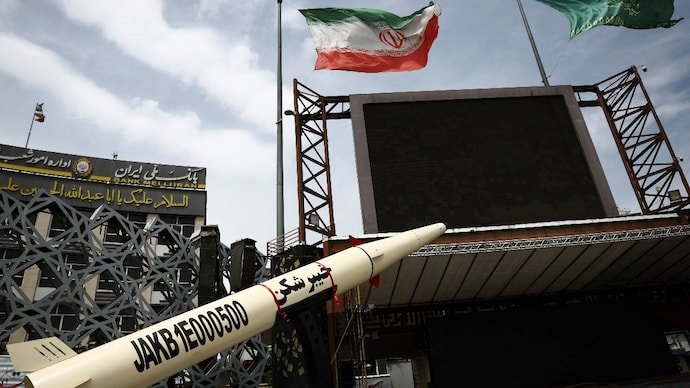
Fresh US intelligence assessments are casting doubt on repeated claims from the Trump administration that Iran’s military capabilities have been severely crippled during the ongoing US-Iran conflict. According to classified findings cited in recent reports, Tehran has retained and in some areas restored much of its missile infrastructure, including underground launch facilities, mobile missile systems, and strategic sites near the Strait of Hormuz.
The revelations arrive as the conflict entered its 75th day, with ceasefire negotiations showing little meaningful progress despite intermittent diplomatic efforts. Although a temporary reduction in clashes around the Strait of Hormuz has provided a fragile pause in regional tensions, intelligence officials reportedly believe Iran still possesses significant retaliatory and deterrence capabilities.
The findings could reshape how military analysts, global markets, and foreign governments assess the balance of power in West Asia, especially as oil shipping routes and regional naval operations remain vulnerable to escalation.
What the New US Intelligence Reports Reveal
According to the classified assessments, Iran has regained operational access to the majority of its missile-related infrastructure despite months of military pressure and targeted strikes.
The most significant findings include:
- 30 of Iran’s 33 missile installations near the Strait of Hormuz are considered usable to varying degrees
- Iran reportedly retains around 70% of its mobile missile launchers
- Roughly 70% of Iran’s pre-conflict missile stockpile remains intact
- Nearly 90% of underground missile facilities nationwide are now partially or fully accessible
- Mobile launch systems can still be relocated and deployed rapidly
These findings sharply contrast with earlier public statements from President Donald Trump and senior US Defense officials who repeatedly suggested Iran’s military infrastructure had been extensively degraded.
Instead, the intelligence assessments paint a picture of a military system that has absorbed damage but continues functioning at substantial capacity.
Why Iran’s Missile Network Matters So Much
Iran’s missile program is widely considered one of the most important pillars of its military strategy.
Unlike some global powers, Iran does not possess a modern air force capable of competing directly with advanced Western militaries. As a result, Tehran has invested heavily in ballistic missiles, cruise missiles, underground launch systems, and asymmetric warfare capabilities.
Missiles serve several strategic purposes for Iran:
- Deterring foreign military attacks
- Projecting power across the Middle East
- Threatening naval traffic in the Gulf
- Supporting allied regional militias
- Counterbalancing superior Western air power
This strategy has evolved over decades, especially after Iran observed the military vulnerabilities exposed during conflicts involving Iraq, Libya, and Syria.
For Tehran, missiles are not simply weapons they are the backbone of national deterrence.
The Strait of Hormuz Remains the World’s Most Sensitive Chokepoint
One of the most alarming aspects of the intelligence findings involves Iran’s missile installations near the Strait of Hormuz.
The narrow waterway is one of the most strategically important maritime corridors on Earth. Roughly one-fifth of Global Oil shipments pass through the strait, making it vital for international energy markets.
Even limited disruption can trigger:
- Oil price spikes
- Shipping insurance surges
- Global market instability
- Military escalation risks
- Supply chain disruptions
The new assessments suggest Iran retains substantial capability to threaten commercial shipping or naval assets moving through the region if tensions escalate further.
That explains why global energy traders and defense analysts are watching the Hormuz situation closely despite the current period of relative calm.
| Key Strait of Hormuz Facts | Why It Matters |
|---|---|
| Handles major global oil exports | Critical to global energy supply |
| Narrow shipping lanes | Vulnerable to missile and naval threats |
| Close to Iranian coastline | Gives Tehran strategic geographic advantage |
| Heavy naval presence | Increases risk of military incidents |
| Vital for Asian energy imports | Impacts China, India, Japan, and Europe |
Why Underground Missile Facilities Are So Difficult to Destroy
A major reason Iran’s missile network remains resilient is its extensive underground infrastructure.
Over many years, Iran has built hardened missile tunnels, storage bunkers, and launch facilities beneath mountains and remote terrain. These sites are specifically designed to survive aerial bombardment and continue operating during wartime.
Military analysts often refer to these systems as “missile cities.”
The underground complexes allow Iran to:
- Hide launchers from satellite surveillance
- Protect missile stockpiles from air strikes
- Maintain operational continuity during attacks
- Rapidly reposition mobile launchers
- Launch missiles with reduced warning time
Destroying such facilities completely is extremely difficult, even for advanced militaries with precision-strike capabilities.
That reality may explain why intelligence assessments now suggest many Iranian facilities remain functional despite sustained pressure.
The Gap Between Political Messaging and Intelligence Assessments
The latest intelligence reports also highlight a recurring challenge during military conflicts: the gap between political messaging and classified battlefield assessments.
Public statements from governments often emphasize success, deterrence, or operational dominance. Intelligence agencies, however, typically provide more nuanced evaluations based on surveillance, satellite imagery, intercepted communications, and battlefield analysis.
In this case, the Trump administration has repeatedly argued that Iran’s military capacity has been heavily neutralized.
Meanwhile, intelligence findings reportedly suggest:
- Iran’s missile capabilities were damaged but not destroyed
- Launch systems remain operational
- Stockpiles remain significant
- Strategic deterrence capacity still exists
That discrepancy does not necessarily mean either side is entirely wrong. Military degradation can occur without complete elimination of operational capability.
In modern warfare, surviving infrastructure may still be sufficient to maintain deterrence.
Iran’s Strategy Appears Focused on Survival and Endurance
The intelligence assessments reinforce a broader understanding of Iranian military doctrine: Tehran prioritizes resilience over conventional dominance.
Iran’s defense strategy is built around surviving a prolonged conflict rather than winning rapid conventional wars.
That approach includes:
- Distributed missile systems
- Underground facilities
- Mobile launchers
- Naval swarm tactics
- Proxy alliances across the region
- Cyber capabilities
This model is specifically designed to complicate attempts by stronger militaries to fully neutralize Iran quickly.
Instead of relying on centralized military infrastructure vulnerable to air strikes, Iran spreads its capabilities across numerous hidden or mobile systems.
The intelligence findings suggest this strategy may be working more effectively than some public narratives previously indicated.
How the Conflict Is Affecting Global Energy Markets
Even without full-scale disruption in the Strait of Hormuz, prolonged instability continues influencing global energy markets.
Oil traders closely monitor any signs that:
- Shipping lanes could be threatened
- Missile attacks may resume
- Naval confrontations could intensify
- Regional energy infrastructure may be targeted
The fact that many Iranian missile installations remain operational means the geopolitical risk premium in oil prices is unlikely to disappear soon.
Countries heavily dependent on Gulf energy imports particularly in Asia remain especially sensitive to developments.
China, India, japan, and South Korea all rely significantly on energy flows passing through the Hormuz corridor.
Why Mobile Missile Launchers Change the Battlefield
One of the most strategically important findings in the assessments involves Iran’s continued use of mobile missile launchers.
Mobile launch systems are difficult to track because they can:
- Move between facilities rapidly
- Hide in mountainous or urban terrain
- Launch missiles with limited warning
- Avoid pre-targeted strikes
- Continue operating even after infrastructure damage
This mobility greatly complicates military operations aimed at fully dismantling missile capabilities.
Even if fixed facilities are damaged, mobile systems can preserve deterrence and maintain operational uncertainty.
That uncertainty itself becomes strategically valuable because adversaries cannot easily confirm how many launchers remain active.
Ceasefire Negotiations Still Face Major Obstacles
Despite reports of temporary calm around Hormuz, diplomatic progress remains limited.
Several factors continue complicating ceasefire efforts:
- Deep political mistrust between Washington and Tehran
- Regional proxy tensions
- Disagreements over sanctions
- Concerns over future military guarantees
- Domestic political pressure on both governments
Neither side appears eager to project weakness publicly, making compromise politically sensitive.
At the same time, prolonged conflict carries growing risks:
- Economic strain
- Regional instability
- Maritime disruptions
- Escalation into wider Middle East conflict
- Global inflationary pressure through energy markets
This creates a tense balance where both sides may seek deterrence while avoiding uncontrolled escalation.
The Information War Is Becoming Part of the Conflict
The sharp reaction from White House and Pentagon officials to the intelligence reports highlights another major aspect of modern conflict: information warfare.
Governments increasingly fight not only on battlefields but also through narratives.
Competing narratives influence:
- Public opinion
- Financial markets
- Diplomatic leverage
- Military morale
- International alliances
The administration’s criticism of media reporting suggests officials are concerned that public discussion of Iranian resilience could undermine perceptions of military success or deterrence.
Meanwhile, reports emphasizing Iran’s remaining capabilities may strengthen Tehran’s image of endurance and resistance.
In modern geopolitical conflicts, perception itself becomes a strategic asset.
What Happens Next?
The coming weeks could prove critical for determining whether the conflict stabilizes or escalates again.
Several scenarios remain possible:
- A fragile ceasefire with periodic tensions
- Renewed missile exchanges
- Expanded naval confrontations near Hormuz
- Backchannel diplomatic breakthroughs
- Further sanctions and economic pressure
Much depends on whether both sides believe continued escalation serves their long-term interests.
For now, the intelligence findings suggest one clear reality: Iran retains far more military resilience than many public statements previously implied.
Conclusion: Iran’s Missile Capabilities Remain a Major Strategic Factor
The latest US intelligence assessments appear to challenge the narrative that Iran’s missile infrastructure has been comprehensively dismantled during the ongoing conflict.
Instead, the reports indicate Tehran continues to maintain substantial operational capability through underground facilities, mobile launch systems, and preserved missile stockpiles.
That reality has major implications for regional security, global energy markets, and future diplomatic negotiations.
As long as Iran retains the ability to threaten shipping routes and project missile power across the region, the Strait of Hormuz will remain one of the world’s most sensitive geopolitical flashpoints.
The findings also underscore a broader lesson about modern warfare: destroying military infrastructure completely is far more difficult than political rhetoric often suggests.
For now, both Washington and Tehran appear locked in a dangerous balance between deterrence, perception management, and cautious escalation with the rest of the world closely watching what happens next.
For breaking news and live news updates, like us on Facebook or follow us on Twitter and Instagram. Read more on Latest World on thefoxdaily.com.






COMMENTS 0