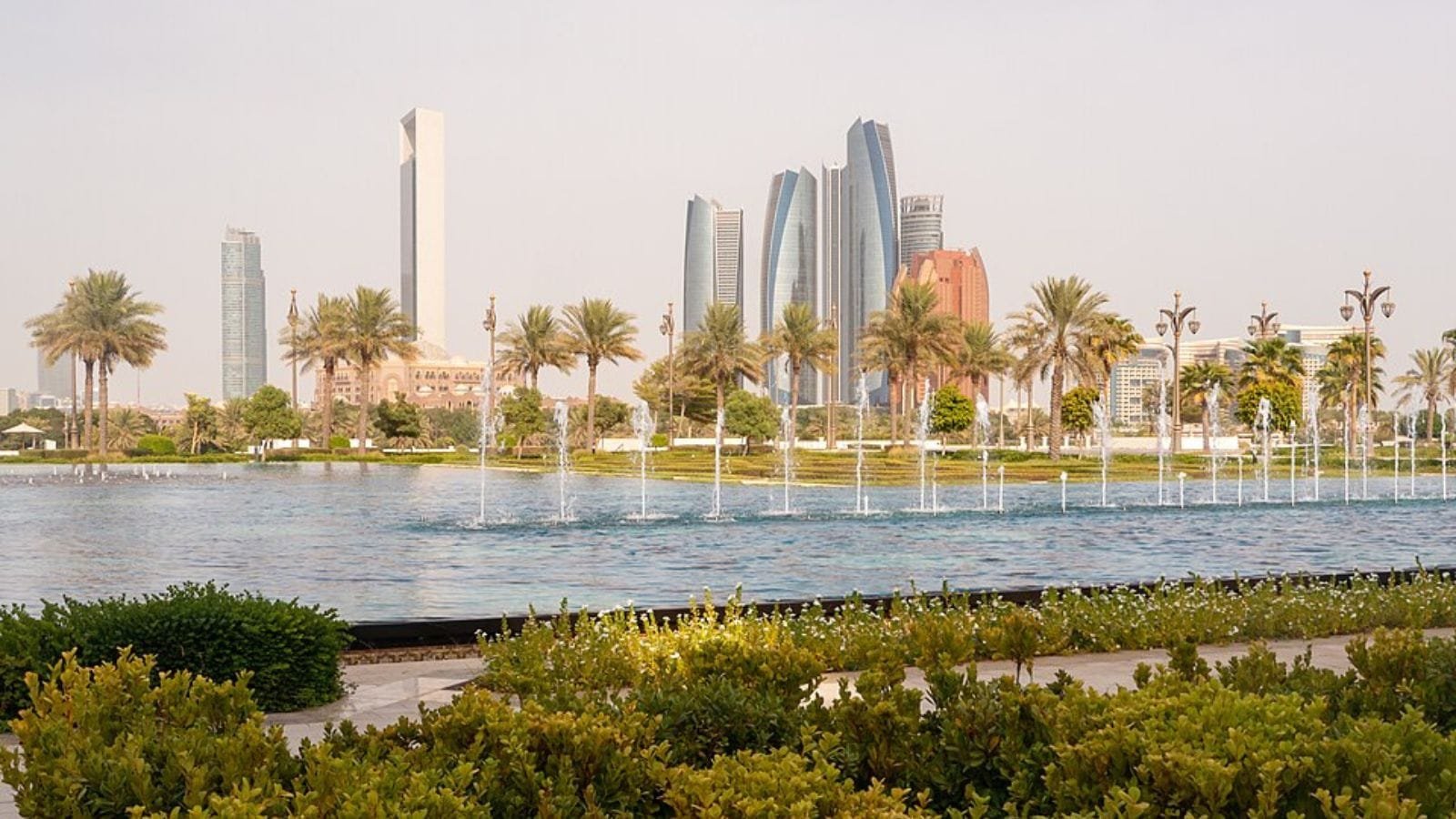
In a move that could reshape the rental market across the UAE capital, Abu Dhabi authorities have suspended all rent hikes until further notice. The decision, announced by the Abu Dhabi Real Estate Centre (ADREC), means landlords can no longer raise rents on lease renewals or charge higher rents to new tenants moving into previously occupied properties.
The measure comes at a time when housing costs have become a major concern for residents, businesses, and expatriate communities. With Abu Dhabi continuing to attract professionals, investors, and entrepreneurs from around the world, rental prices have remained one of the most important factors influencing affordability and quality of life.
What Exactly Has Changed?
Under the new directive, all tenancy contract renewals must be processed with a 0% rent increase. More importantly, landlords are also prohibited from increasing rents when signing new tenancy agreements for properties that were previously rented.
This means the rental value agreed in the previous contract becomes the benchmark for any new or renewed lease until authorities decide otherwise.
The decision effectively overrides the existing rental framework that allowed landlords to increase rents by up to 5% annually, provided tenants were notified at least two months before lease renewal.
For tenants, the policy provides immediate protection from unexpected rental increases during a period of economic uncertainty.
Why Abu Dhabi Introduced the Rent Freeze
The announcement comes amid heightened geopolitical tensions in West Asia and concerns about the broader economic impact of regional instability.
Housing costs represent one of the largest expenses for most households. By freezing rent increases, authorities appear to be aiming to provide financial stability and reduce pressure on residents and businesses.
Economists often view housing affordability as a critical factor in maintaining economic confidence. When rents rise rapidly, families have less disposable income to spend elsewhere in the Economy, while businesses face higher operating costs.
The rent freeze acts as a temporary shield against these pressures.
How Existing Tenants Benefit
For residents already living in rented apartments, villas, offices, or commercial spaces, the impact is straightforward.
If a tenancy contract is due for renewal, the landlord cannot increase the rent regardless of market conditions. The tenant can renew at the same rental rate specified in the existing agreement.
This offers several advantages:
- Predictable housing expenses
- Improved household Budgeting
- Protection against sudden rent hikes
- Greater financial certainty during economic uncertainty
- Reduced disputes between tenants and landlords
For many families, especially those with children studying in schools or long-term employment commitments, the policy removes the stress associated with annual lease negotiations.
What It Means for New Tenants
One of the most surprising aspects of the policy is that it also benefits incoming tenants.
Traditionally, landlords could seek higher rents from new tenants if market demand increased. Under the temporary rules, however, any new tenancy agreement for a previously rented property must be offered at the same rental value as the previous contract.
This significantly limits landlords’ ability to capitalize on rising market demand.
For renters searching for homes, offices, or retail spaces, the measure creates a more transparent and predictable market Environment.
Why This Matters for Indian Expats
The policy is particularly important for Indian expatriates, who form one of the largest foreign communities in the UAE.
Hundreds of thousands of Indian professionals, entrepreneurs, skilled workers, and business owners live and work across Abu Dhabi. For many families, rent accounts for a substantial portion of monthly expenses.
The freeze offers immediate financial relief by eliminating annual rent increases that would otherwise impact household budgets.
Indian families can now allocate more resources toward Education, Healthcare, savings, investments, and remittances sent back home.
For small business owners, the benefits could be equally significant.
Commercial rents often represent one of the biggest operating expenses for businesses. By stabilizing these costs, entrepreneurs gain greater certainty when planning investments, expansion, and staffing decisions.
How Abu Dhabi’s Rental System Works
Over the past decade, Abu Dhabi has invested heavily in modernizing its real estate sector.
The emirate introduced the Tawtheeq system, a digital platform that records and authenticates tenancy agreements. The system helps improve transparency and ensures compliance with rental regulations.
In 2024, authorities also launched Abu Dhabi’s first official rental index. The index was designed to provide benchmark rental values, helping both tenants and landlords better understand prevailing market rates.
These reforms were part of a broader strategy to create a more transparent, efficient, and investor-friendly real estate market.
The Economic Impact of Rent Controls
Rent freezes have historically been used by governments around the world during periods of economic stress, Inflation, or extraordinary circumstances.
The primary objective is to prevent sudden increases in housing costs from placing excessive pressure on households.
Potential benefits include:
- Lower inflationary pressure
- Greater consumer confidence
- Increased household spending power
- Reduced tenant-landlord disputes
- Improved business cost stability
However, economists also note that long-term rent controls can create challenges if maintained indefinitely, including reduced incentives for property investment and maintenance.
For now, Abu Dhabi’s policy is being presented as a temporary measure rather than a permanent structural change.
How Abu Dhabi Compares With Other Global Cities
Many major cities have experimented with rent control or rent stabilization policies during periods of economic disruption.
| City/Region | Rent Control Approach | Primary Goal |
|---|---|---|
| Abu Dhabi | Temporary rent freeze | Economic stability |
| Berlin | Rent cap initiatives | Housing affordability |
| New York | Rent-stabilized housing | Tenant protection |
| Paris | Rent increase limits | Control housing costs |
| Singapore | Market-driven model | Supply-side balance |
Abu Dhabi’s approach differs because it applies broadly across residential, commercial, and industrial sectors while being explicitly temporary.
Part of a Broader Support Strategy
The rent freeze is not an isolated measure.
Since regional tensions escalated earlier this year, UAE authorities have introduced various support initiatives aimed at minimizing disruption for residents and visitors.
Authorities previously directed hotels to accommodate stranded travelers affected by Flight Cancellations and travel disruptions, with governments helping cover associated costs.
The latest rent freeze continues that broader strategy of maintaining economic stability and protecting residents from sudden financial burdens.
What Landlords Need to Know
Property owners and management companies must now comply with the updated regulations regardless of market conditions.
This means:
- No rent increases during lease renewals
- No higher rents for new tenants in previously rented properties
- Existing rental values remain binding
- Compliance remains mandatory until new guidance is issued
Landlords may need to adjust financial expectations, particularly in areas where rental demand has been rising rapidly.
How Long Will the Freeze Last?
The most significant unanswered question concerns duration.
Authorities have stated only that the measure will remain in place until further notice. No specific timeline has been provided.
This means the policy could last for several months or potentially longer depending on economic conditions, inflation trends, and regional developments.
Market participants will likely watch future announcements from ADREC closely for any indication of when normal rental regulations might return.
Conclusion
Abu Dhabi’s decision to freeze rent increases across residential, commercial, and industrial properties represents a major intervention in the emirate’s real estate market. By protecting both existing tenants and new renters from higher costs, authorities are prioritizing economic stability during a period of regional uncertainty.
For Indian expatriates, families, professionals, and business owners, the measure offers immediate financial relief and greater budgeting certainty. For businesses, it provides cost stability that could support investment and growth.
While questions remain about how long the policy will stay in effect, its immediate impact is clear: Abu Dhabi has temporarily removed one of the biggest financial pressures facing residents and businesses, making housing and commercial space more predictable at a time when certainty is increasingly valuable.
For breaking news and live news updates, like us on Facebook or follow us on Twitter and Instagram. Read more on Latest World on thefoxdaily.com.


COMMENTS 0