Iran has intensified its diplomatic messaging by linking the future of a Lebanonceasefire to broader negotiations with the United States. Iran’s Parliament Speaker Mohammad Bagher Ghalibaf stated that a comprehensive truce in Lebanon is critical to any wider ceasefire framework involving Tehran. The remarks come amid ongoing regional tensions, Israeli Military operations in southern Lebanon, and stalled US-Iran talks mediated by Pakistan. The situation raises key questions: who is driving the negotiations, what is at stake in Lebanon, when and where will talks resume, why is Hezbollah central to the issue, and how this evolving dynamic could shape the future of regional stability.
Iran’s Position: Lebanon Ceasefire as a Strategic Link
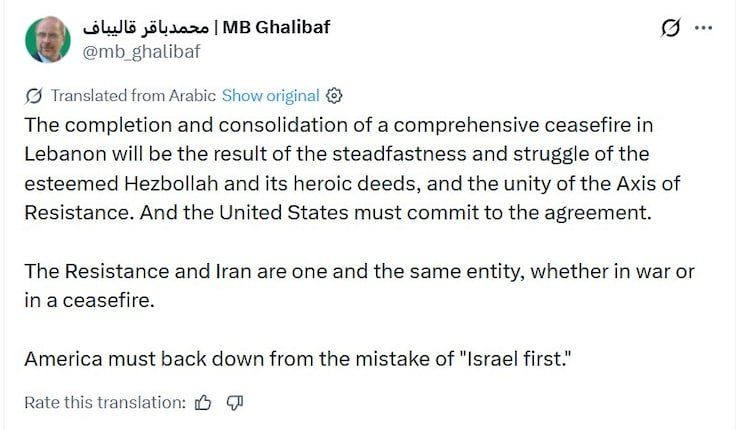
Mohammad Bagher Ghalibaf has made it clear that developments in Lebanon are not separate from Iran’s broader geopolitical strategy. According to his statement, the success of any ceasefire depends heavily on Hezbollah’s resilience and the unity of what Iran refers to as the “Resistance.”
He emphasized that Iran and its allied groups operate as a unified entity, both in conflict and in peace negotiations. This position signals that any continued military pressure on Hezbollah could directly impact diplomatic progress with Tehran.
“The completion and consolidation of a comprehensive ceasefire in Lebanon” is essential to the wider truce framework.
This statement effectively ties battlefield developments in Lebanon to high-level diplomatic negotiations, increasing the stakes for all parties involved.
Hezbollah’s Role in the Ceasefire Equation
Hezbollah remains a central player in the unfolding situation. As a powerful armed group based in Lebanon with strong ties to Iran, its actions and resilience are seen by Tehran as critical to shaping outcomes on the ground.
Iran’s leadership has framed Hezbollah not just as an ally, but as an extension of its strategic posture. This framing complicates ceasefire negotiations, as any agreement must account for both state and non-state actors.
Why Hezbollah Matters
Military influence: Controls key territories in southern Lebanon
Political role: Significant presence in Lebanese politics
Strategic alignment: Closely linked to Iran’s regional agenda
In simple terms, excluding Hezbollah from ceasefire considerations would be like trying to solve a puzzle with missing pieces.
Israel’s Military Operations Continue
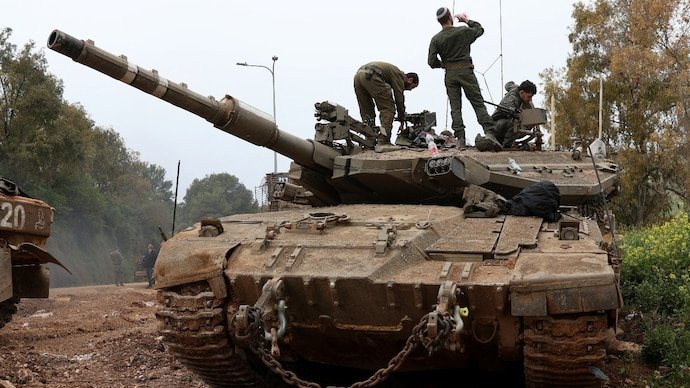
Even as diplomatic efforts persist, Israel has continued its military campaign in southern Lebanon. Prime Minister Benjamin Netanyahu stated that Israeli forces are intensifying strikes against Hezbollah positions, particularly in Bint Jbeil.
Netanyahu described the area as a key stronghold and indicated that Israeli forces are close to achieving their objectives there.
Iran Parliament Speaker links Lebanon deal to wider truce, warns US to deliver
“These negotiations are happening now because we are very strong.”
Israel’s dual approach combining military pressure with negotiations reflects a strategy aimed at securing both immediate tactical gains and long-term Security assurances.
Key Israeli Objectives
Dismantling Hezbollah’s military capabilities
Establishing a secure buffer zone in southern Lebanon
Achieving a durable peace through strategic advantage
This approach, however, risks complicating diplomatic efforts, especially given Iran’s linkage between battlefield developments and negotiations.
US Response: Cautious Optimism and Ongoing Talks
The White House has pushed back against reports that it formally requested a ceasefire in the Iran conflict, while confirming that diplomatic discussions remain active.
Press Secretary Karoline Leavitt stated that conversations with Iran are ongoing and productive, though no formal agreement has been finalized.
“Nothing is official until you hear it from us here at the White House, but we feel good about the prospects of a deal.”
The US appears to be balancing public messaging with behind-the-scenes negotiations, a common approach in sensitive diplomatic situations.
Pakistan’s Role as Mediator
Pakistan has emerged as a key intermediary in the US-Iran dialogue. Recent talks held in Islamabad, however, ended without a breakthrough, highlighting the complexity of the issues at hand.
Despite the setback, both sides are reportedly open to another round of discussions, with Pakistan likely to host future negotiations.
This mediation role places Pakistan at the center of a high-stakes diplomatic effort, where even small progress could have significant regional implications.
Breakdown in Talks: What Went Wrong?
The recent collapse of negotiations has deepened uncertainty across the region. One of the main sticking points appears to be whether Lebanon is included in the scope of the broader ceasefire framework.
This disagreement has created a gap in expectations:
Iran’s view: Lebanon is integral to any ceasefire agreement
US position: Scope of ceasefire remains more limited or unclear
Such differences, while technical on the surface, have major implications for trust and future progress.
Regional Context: Escalation and Strategic Pressure
The current tensions can be traced back to the escalation that began on February 28, when military action involving the US and Israel triggered a broader regional response from Iran and its allies.
This chain reaction has reignited multiple fronts, including the Israel-Hezbollah conflict in Lebanon, and has drawn in several regional actors.
Actor
Role
Current Position
Iran
Regional power
Linking ceasefire to Lebanon developments
United States
Negotiator
Pursuing diplomatic talks while applying pressure
Israel
Military actor
Continuing operations against Hezbollah
Hezbollah
Non-state actor
Key force in southern Lebanon conflict
Pakistan
Mediator
Facilitating negotiations
This complex web of interactions underscores how interconnected the conflict has become.
What’s at Stake?
The outcome of these developments could shape the region’s future in several ways:
Peace or escalation: Successful talks could stabilize the region, while failure may lead to broader conflict
Energy security: Ongoing tensions impact global oil supply routes
Diplomatic credibility: Trust between negotiating parties is on the line
In essence, the stakes extend far beyond Lebanon or Iran they affect global stability.
Conclusion: A Fragile Path Forward
Iran’s decision to tie the Lebanon ceasefire to broader negotiations with the United States has added a new layer of complexity to an already volatile situation. With Israel intensifying military operations, Hezbollah holding its ground, and the US pursuing cautious Diplomacy, the region stands at a critical crossroads.
The coming weeks will likely determine whether dialogue can overcome distrust and competing interests. A comprehensive agreement will require not only political will but also clarity on key issues particularly the role of Lebanon in the broader ceasefire framework.
Looking ahead, the challenge lies in aligning military realities with diplomatic goals. Until then, the region remains in a delicate balance, where progress and escalation exist side by side and where every move could shape the course of events.
FAQs
Why is Iran linking the Lebanon ceasefire to US negotiations?Toggle
Iran sees Lebanon, particularly Hezbollah’s position, as strategically connected to its broader regional influence and wants it included in any comprehensive ceasefire deal.
Mohammad Bagher Ghalibaf is Iran’s Parliament Speaker who recently emphasized the importance of a Lebanon ceasefire in wider diplomatic talks.
What role does Hezbollah play in this conflict?Toggle
Hezbollah is a powerful Iran-backed group in Lebanon with significant military and political influence, making it central to both conflict and ceasefire negotiations.
What is Israel’s current strategy in Lebanon?Toggle
Israel is continuing military operations against Hezbollah while simultaneously engaging in negotiations to secure long-term security goals.
Is the US directly involved in ceasefire negotiations?Toggle
Yes, the US is engaged in ongoing diplomatic talks with Iran, though it has not confirmed any formal ceasefire agreement yet.
Thefoxdaily.com is a news website dedicated to providing our audience with in-depth reporting, insightful opinions, and thorough analysis. We champion the principles of free people, free markets, and diversity of thought, offering an alternative to the left-leaning narratives prevalent in today’s news landscape.





COMMENTS 0