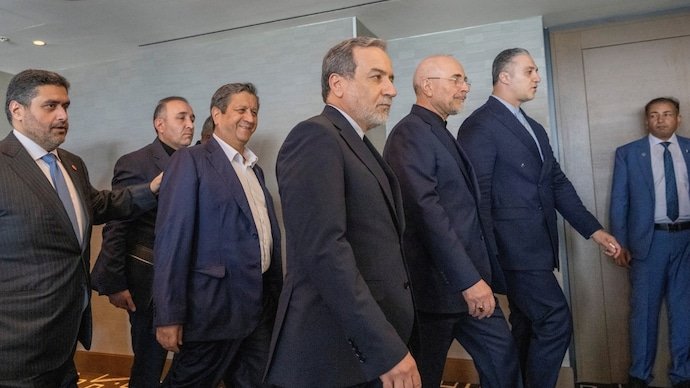
Diplomatic efforts to reduce tensions in the Middle East reportedly entered a particularly sensitive phase when the United States became concerned that senior Iranian officials involved in ceasefire negotiations could be targeted by Israel. According to media reports, Washington quietly asked several regional governments to warn Tehran about possible assassination attempts against senior Iranian leaders, fearing such an incident could collapse ongoing negotiations and reignite hostilities.
The reported warning underscores the delicate balance between military objectives and diplomatic engagement during conflicts. While governments often pursue negotiations to prevent further escalation, any attack on high-level political figures participating in peace efforts can dramatically alter the course of Diplomacy.
It is important to note that several claims in the reports—including descriptions of specific wartime events, alleged assassination plots, and details of covert intelligence exchanges—have not been independently verified. No official public confirmation has been issued by the governments involved regarding many of these allegations.
What the Reports Claim
According to published reports, the United States feared that Israeli operations might target senior Iranian officials WHO were central to diplomatic negotiations. The officials reportedly included Iranian Foreign Minister Abbas Araghchi and Parliament Speaker Mohammad Bagher Ghalibaf.
The reports allege that Washington believed any assassination attempt against leading negotiators could immediately halt ceasefire discussions and significantly increase the risk of renewed regional conflict.
Neither the United States nor Israel has publicly confirmed these specific allegations.
Why Negotiators Are Considered Strategically Important
Senior diplomatic officials play a unique role during armed conflicts because they often serve as the principal communication channel between opposing governments.
Their responsibilities typically include:
- Negotiating ceasefire terms.
- Coordinating prisoner exchanges.
- Facilitating humanitarian access.
- Managing diplomatic communications.
- Preparing frameworks for longer-term peace agreements.
If individuals occupying these positions become unavailable during negotiations, diplomatic progress can slow or stop entirely while replacement officials are appointed and communication channels are re-established.
How Ceasefire Negotiations Usually Work
Modern ceasefire negotiations rarely involve only the countries directly engaged in conflict. Regional governments, international organizations, and third-party mediators often facilitate communication, convey proposals, and build confidence between opposing sides.
| Stage | Primary Objective |
|---|---|
| Initial Contact | Establish communication channels. |
| Temporary Ceasefire | Reduce immediate violence. |
| Confidence-Building Measures | Create conditions for further dialogue. |
| Political Negotiations | Address broader security and diplomatic issues. |
| Long-Term Agreement | Develop a sustainable framework for peace. |
Because negotiations depend heavily on trust and continuity, sudden attacks on senior participants can undermine confidence among all parties involved.
Why the Alleged Warning Matters
If accurate, the reported warning would illustrate how governments sometimes seek to prevent actions by allies or adversaries that could unintentionally derail diplomatic initiatives.
During complex international crises, countries may simultaneously support military operations while encouraging diplomatic efforts to avoid wider regional escalation. Balancing these objectives often creates significant policy challenges.
Diplomatic backchannel communications—when they occur—are generally intended to reduce misunderstandings and preserve opportunities for negotiation.
The Broader Strategic Context
Relations among the United States, Iran, and Israel have long been shaped by disagreements over regional security, missile development, proxy groups, maritime security, and Iran’s nuclear programme.
These issues are interconnected, meaning progress in one area often depends on developments in others. Consequently, ceasefire negotiations may involve discussions extending well beyond the immediate conflict.
Challenges Facing Peace Negotiations
Even under favorable circumstances, peace talks involving long-standing rivals face numerous obstacles.
- Deep political mistrust.
- Conflicting security priorities.
- Domestic political pressures.
- Military developments on the ground.
- Regional alliances.
- Public expectations.
Unexpected security incidents can further complicate negotiations by reducing confidence between participating governments.
The Role of Regional Mediators
Countries in the Middle East have frequently acted as intermediaries during periods of heightened regional tension. Such mediation may include facilitating meetings, transmitting proposals, supporting humanitarian arrangements, or helping establish communication between governments that lack direct diplomatic relations.
While much of this diplomacy occurs outside public view, regional engagement often plays a significant role in preventing conflicts from expanding further.
Comparison: Military Objectives vs. Diplomatic Objectives
| Military Perspective | Diplomatic Perspective |
|---|---|
| Reduce opponent’s operational capability. | Reduce violence through negotiations. |
| Prioritize tactical advantages. | Prioritize long-term stability. |
| Respond rapidly to evolving threats. | Maintain communication between parties. |
| Focus on immediate security concerns. | Focus on sustainable political solutions. |
Successful conflict resolution often requires balancing these competing priorities without allowing short-term developments to undermine longer-term diplomatic opportunities.
Why Verification Is Important
Claims involving intelligence sharing, covert operations, or alleged assassination plots are often difficult to independently verify while events are unfolding. Reports based on anonymous officials can provide important context, but individual allegations should be interpreted carefully unless supported by official statements or multiple independently verified sources.
Responsible reporting distinguishes between confirmed facts, official positions, and claims attributed to unnamed sources.
Expert Insight: Diplomacy Often Depends on Continuity
Negotiations during armed conflicts rely heavily on maintaining stable channels of communication. Individuals leading discussions often develop Relationships, understand technical details of negotiations, and build confidence among participants over time. Sudden changes in negotiating teams—whether through political decisions, security incidents, or other disruptions—can significantly delay or complicate diplomatic progress.
Potential Regional Implications
Regardless of the accuracy of specific allegations, the reports illustrate the broader risks associated with conflicts involving multiple regional and international actors. Any event perceived as escalating tensions could influence energy markets, maritime security, regional diplomacy, and humanitarian conditions.
For governments participating in mediation efforts, preserving dialogue while preventing further escalation remains a central objective.
Future Outlook
The future of regional diplomacy will depend on whether communication channels remain open and whether the parties involved continue to prioritize negotiation alongside their broader security concerns. Confidence-building measures, sustained dialogue, and credible mediation will likely remain essential components of any durable agreement.
As additional information becomes available, official statements and independently verified findings will provide greater clarity regarding the claims surrounding the reported warning and its impact on diplomatic efforts.
Conclusion
Reports alleging that the United States warned Iran of possible assassination attempts against senior negotiators have highlighted the fragile nature of diplomacy during periods of armed conflict. While several aspects of these reports remain unverified, they underscore a broader principle of International Relations: negotiations are often most vulnerable when military developments threaten to overtake diplomatic progress.
Whether through formal negotiations or quiet diplomatic engagement, preserving channels of communication remains one of the most important tools available for reducing tensions and preventing wider regional instability. As investigations and official responses continue, careful attention to verified information will remain essential for understanding the evolving situation.
For breaking news and live news updates, like us on Facebook or follow us on Twitter and Instagram. Read more on Latest World on thefoxdaily.com.






COMMENTS 0