- Why Victory Day Matters More Than Ever
- Two Ceasefires, Two Narratives
- A Pattern of Temporary Ceasefires-and Broken Trust
- The Real Battlefield: Perception and Messaging
- Why Ukraine Is Wary of “Symbolic Peace”
- Escalation Continues Despite Talk of Peace
- The Role of the United States-And a Subtle Tension
- Victory Day Without Victory?
- What Happens Next?
- A Deeper Insight: The War Has Entered a Psychological Phase
- Conclusion: A Pause Without Peace
As Russia prepares for one of its most important national events-Victory Day-both Moscow and Kyiv have announced separate ceasefire proposals. On the surface, it may look like a step toward peace. In reality, it highlights just how far apart the two sides remain.
Russian President Vladimir Putin has declared a two-day ceasefire to coincide with the May 9 Victory Day commemorations, while Ukrainian President Volodymyr Zelenskyy has countered with a different timeline, calling for an earlier pause in fighting. The timing, messaging, and conditions behind these announcements reveal more about strategy than reconciliation.
So what’s really happening here? This isn’t just about stopping the war for a few days. It’s about optics, leverage, and control in a Conflict that has shown little sign of ending since Russia’s full-scale invasion in 2022.
Why Victory Day Matters More Than Ever
Victory Day, celebrated on May 9, marks the Soviet Union’s defeat of Nazi Germany in World War II. It’s not just a holiday in Russia-it’s a deeply emotional and political event tied to national identity, Military pride, and historical narrative.
Traditionally, Moscow hosts a grand military parade showcasing tanks, missiles, and troops. But this year is different.
Security concerns have forced Russia to scale back its celebrations. Ukrainian drone strikes have increasingly targeted locations deep inside Russian territory, making even Moscow feel vulnerable. That alone changes the tone.
In that context, Putin’s ceasefire proposal appears less like a peace gesture and more like a strategic pause to ensure the event proceeds without disruption.
Two Ceasefires, Two Narratives
At first glance, both sides calling for a ceasefire might seem like progress. But the details tell a different story.
| Aspect | Russia’s Proposal | Ukraine’s Proposal |
|---|---|---|
| Timing | May 9–10 (Victory Day period) | Starting May 5–6 |
| Purpose | Secure Victory Day celebrations | Push for broader de-escalation |
| Trust Level | Low (Ukraine skeptical) | Low (Russia dismissive) |
| Strategic Goal | Control narrative, ensure domestic stability | Highlight Russia’s inconsistency |
The difference in timing is not accidental. Ukraine’s earlier proposal subtly challenges Russia’s intentions, suggesting that if Moscow truly wanted peace, it wouldn’t wait for a symbolic date.
A Pattern of Temporary Ceasefires-and Broken Trust
Short-term ceasefires in this war are nothing new. There have been pauses during religious holidays like Easter and humanitarian corridors for evacuations. But almost every time, both sides have accused each other of violations.
This History matters.
Ukraine has repeatedly expressed skepticism about limited ceasefires, arguing they often give Russian forces time to regroup, reposition, or reinforce. From Kyiv’s perspective, a two-day pause tied to a parade does little to change realities on the battlefield.
Russia, on the other hand, accuses Ukraine of exploiting ceasefires for tactical gains and launching attacks during supposed truces.
The result? A complete erosion of trust.
The Real Battlefield: Perception and Messaging
modern warfare isn’t just fought with weapons-it’s fought with narratives.
Putin’s ceasefire announcement allows Russia to project itself as reasonable and restrained, especially to domestic audiences and international observers who may be fatigued by the conflict.
Zelenskyy’s response flips that narrative.
By proposing an earlier ceasefire and publicly questioning Russia’s intentions, Ukraine positions itself as the party genuinely interested in ending hostilities-while painting Moscow as opportunistic.
This back-and-forth isn’t random. It’s calculated communication aimed at shaping global opinion.
Why Ukraine Is Wary of “Symbolic Peace”
For Ukraine, the concern goes beyond just a two-day pause.
A ceasefire tied to a symbolic event like Victory Day risks turning peace into a temporary spectacle rather than a meaningful step forward. Zelenskyy has made it clear that Ukraine is looking for sustained de-escalation, not brief interruptions.
There’s also a strategic concern: pauses in fighting can freeze current frontlines, potentially benefiting whichever side holds advantageous positions.
And right now, those positions are constantly shifting.
Escalation Continues Despite Talk of Peace
What makes the situation even more complicated is that ceasefire discussions are happening alongside ongoing attacks.
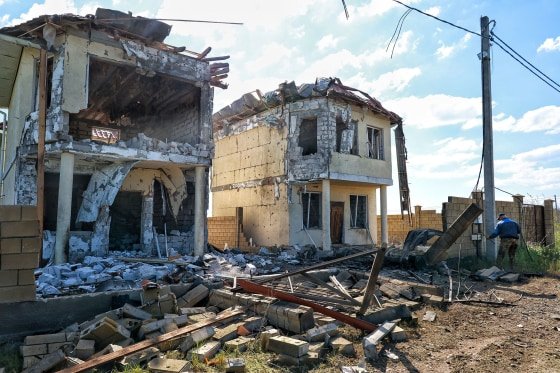
Ukraine has reported fresh missile and drone strikes targeting infrastructure, including energy facilities. Civilian casualties continue to be reported.
Russia, meanwhile, claims it is responding to Ukrainian aggression and protecting its territory.
So while leaders talk about ceasefires, the reality on the ground tells a different story: the war hasn’t slowed down.
The Role of the United States-And a Subtle Tension
An interesting layer in this situation is the indirect role of the United States.
Zelenskyy has pointed out that discussions about ceasefires involving Russia and the US have taken place without Ukraine being fully included. That’s a sensitive issue.
For Ukraine, any negotiation about its territory or war strategy without its direct involvement raises concerns about sovereignty and control.
This adds another dimension to the ceasefire debate: it’s not just about Russia vs Ukraine-it’s also about who gets a seat at the table.
Victory Day Without Victory?
There’s a quiet irony in all of this.
Victory Day celebrates a decisive end to one of history’s deadliest wars. But in 2026, Russia marks the occasion while still deeply entrenched in another prolonged conflict-with no clear victory in sight.
The scaled-down parade, heightened security, and ceasefire tensions all point to a reality far removed from the symbolism of triumph.
In a way, this year’s Victory Day reflects not strength, but strain.
What Happens Next?
The big question is whether either ceasefire will actually hold.
Based on past patterns, a few scenarios are likely:
- Short-lived pause: Fighting may briefly reduce but not stop completely
- Mutual accusations: Both sides may claim violations within hours or days
- No long-term impact: The broader trajectory of the war remains unchanged
In other words, even if the guns go quiet for a moment, don’t expect a breakthrough.
A Deeper Insight: The War Has Entered a Psychological Phase
One key shift often missed in typical coverage is this: the conflict is no longer just territorial-it’s psychological.
Both Russia and Ukraine are now fighting for endurance, perception, and international positioning as much as battlefield gains.
Ceasefires, especially symbolic ones, are tools in that larger strategy.
They’re not just about stopping bullets. They’re about sending messages.
Conclusion: A Pause Without Peace
The competing ceasefire announcements by Putin and Zelenskyy reveal more conflict than cooperation.
While the idea of a pause in fighting offers a glimmer of hope, the reality is far more complex. Deep mistrust, ongoing attacks, and conflicting objectives mean that any ceasefire-especially one tied to symbolism-is unlikely to change the course of the war.
Victory Day may bring a temporary lull. But it won’t bring resolution.
For that, both sides would need something they currently lack: not just willingness to pause-but willingness to compromise.
And as of now, that remains the most difficult battle of all.
For breaking news and live news updates, like us on Facebook or follow us on Twitter and Instagram. Read more on Latest World on thefoxdaily.com.






COMMENTS 0