- Why the Latest Trump-Iran Proposal Matters
- The Strait of Hormuz Is the Real Battlefield
- Why Both Sides Are Sending Mixed Signals
- Pakistan’s Quiet Role in the Negotiations
- The Oil Market Is Watching Closely
- Iran’s Nuclear Programme Remains Central
- Trump’s Negotiation Style Is Shaping the Crisis
- Why a Ceasefire Remains Fragile
- The Global Stakes Extend Beyond the Middle East
- Could a Temporary Deal Lead to a Larger Agreement?
- The Information War Is Intensifying Too
- Conclusion
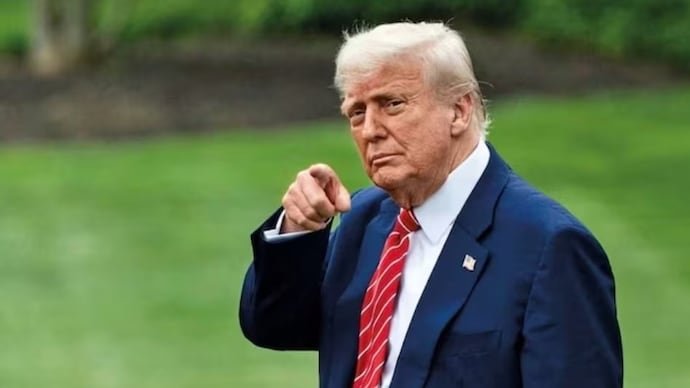
US President Donald Trump said he expected a response from Iran “by tonight” on Washington’s latest proposal aimed at ending the ongoing conflict, signaling a potentially critical moment in one of the most volatile confrontations between the two countries in recent years.
Speaking outside the White House before departing for Virginia, Trump indicated that communication from Tehran was expected soon, even as Iranian officials suggested they were still reviewing messages delivered through Pakistani mediators. The uncertainty surrounding Tehran’s response reflects the fragile state of negotiations unfolding alongside military tensions in the Strait of Hormuz a region that remains central not only to Middle Eastern security but to the global economy itself.
At the heart of the diplomatic effort is a proposed 14-point framework reportedly designed to halt hostilities, restart formal negotiations, and prevent further escalation between Washington and Tehran. The proposal includes discussions around nuclear enrichment limits, Sanctions relief, release of frozen Iranian assets, and measures to reduce tensions around one of the world’s most strategically important maritime chokepoints.
But while diplomacy moves cautiously, military friction continues to intensify in parallel.
Why the Latest Trump-Iran Proposal Matters
The emerging proposal is significant because it attempts to address multiple flashpoints simultaneously rather than focusing solely on Iran’s nuclear programme.
According to reports, the framework could involve:
- A temporary pause in Iranian nuclear enrichment activity
- Potential easing of US sanctions
- Release of frozen Iranian financial assets
- Reduced military tensions in the Strait of Hormuz
- A 30-day negotiation window for broader talks
This approach reflects a broader strategic reality: modern US-Iran tensions are no longer limited to nuclear issues alone. Economic pressure, regional military competition, maritime security, Energy Markets, and proxy conflicts are now deeply interconnected.
The proposal appears designed to create immediate de-escalation first, while leaving larger unresolved disputes for future negotiations.
The Strait of Hormuz Is the Real Battlefield
Although nuclear diplomacy dominates headlines, the Strait of Hormuz remains the most strategically explosive aspect of the current confrontation.
The narrow waterway connects the persian gulf to global shipping routes and serves as one of the world’s most critical oil transit corridors. A significant percentage of global crude exports pass through the region every day.
Any instability there immediately affects:
- Global oil prices
- Shipping insurance costs
- Energy markets
- Regional military deployments
- International trade confidence
This is why even relatively limited clashes in the region trigger worldwide attention.
Recent reports of encounters involving Iranian vessels and US naval destroyers demonstrate how quickly tensions in Hormuz can escalate from strategic signaling into direct military confrontation.
Why Both Sides Are Sending Mixed Signals
One of the defining features of US-Iran relations is the simultaneous use of diplomacy and threats.
Trump’s recent remarks perfectly captured that pattern.
On one hand, he publicly expressed optimism about receiving Iran’s response and maintained that a ceasefire remained intact. On the other, he warned Tehran that future military action would be “a lot harder” if negotiations failed.
Iran has adopted a similarly dual-track approach.
Iranian military officials described the current situation in Hormuz as “calm” while simultaneously warning of renewed clashes if US forces interfere again with Iranian ships.
This combination of negotiation and intimidation is not accidental.
Both countries are attempting to:
- Avoid appearing weak domestically
- Maintain leverage during negotiations
- Deter military escalation
- Signal readiness for conflict if talks fail
In geopolitical crises, messaging often becomes as important as military movement itself.
Pakistan’s Quiet Role in the Negotiations
One underreported aspect of the latest developments is Pakistan’s apparent role as an intermediary.
According to Iranian media reports, messages from Washington were delivered through Pakistani mediators. This reflects a longstanding diplomatic practice in high-tension conflicts where indirect communication channels become essential.
Countries often rely on intermediaries when formal trust between adversaries is weak or politically sensitive.
Pakistan’s involvement also highlights its delicate balancing position in regional Geopolitics:
- Maintaining ties with the United States
- Preserving regional diplomatic relevance
- Managing relationships with Gulf states
- Avoiding broader regional instability
Backchannel diplomacy frequently shapes major international agreements long before official announcements occur publicly.
The Oil Market Is Watching Closely
Perhaps no sector is monitoring the US-Iran standoff more closely than global energy markets.
The Strait of Hormuz functions as an economic pressure point for the entire world. Even limited military incidents can trigger sharp movements in oil prices due to fears of supply disruption.
| Potential Hormuz Disruption | Global Impact |
|---|---|
| Military clashes | Rising crude oil prices |
| Shipping route instability | Higher transport and insurance costs |
| Extended naval confrontation | Global market uncertainty |
| Oil tanker restrictions | Energy supply chain pressure |
| Sanctions escalation | Inflationary pressure worldwide |
That economic sensitivity is one reason global powers consistently prioritize keeping Hormuz operational, even during periods of intense regional conflict.
For the United States, ensuring maritime security there is not only a military issue but a global economic priority.
Iran’s Nuclear Programme Remains Central
Despite the focus on naval tensions, Iran’s nuclear programme continues to sit at the centre of diplomatic calculations.
Washington has long argued that Iran’s enrichment activities risk moving Tehran closer to nuclear weapons capability, while Iran insists its programme is intended for civilian energy purposes.
The latest proposal reportedly includes a temporary pause or reduction in enrichment activity as part of broader negotiations.
However, nuclear diplomacy involving Iran has historically faced major obstacles:
- Distrust between both governments
- Domestic political pressures
- Verification disagreements
- Regional security rivalries
- Sanctions-related disputes
Any new agreement would likely require complex monitoring mechanisms and phased implementation.
Trump’s Negotiation Style Is Shaping the Crisis
Donald Trump’s handling of Iran continues to reflect his broader geopolitical style combining public pressure, unpredictability, and direct rhetoric with negotiation openings.
His recent statements illustrate this clearly.
Trump publicly warned Tehran of harsher military consequences while also describing recent US strikes as merely a “love tap” during an interview. Such language serves multiple purposes:
- Projecting strength to domestic audiences
- Maintaining pressure on Iran
- Keeping diplomatic options open
- Controlling media narratives
Critics argue this approach increases unpredictability and escalation risks. Supporters believe it strengthens US leverage during negotiations.
Either way, Trump’s communication strategy ensures that public messaging itself becomes part of the negotiation process.
Why a Ceasefire Remains Fragile
Even if both sides continue negotiations, the current ceasefire environment remains extremely fragile.
Several factors increase the risk of sudden escalation:
- Naval encounters in confined waterways
- Miscommunication between military forces
- Proxy group activity in the region
- Political pressure inside both countries
- Disputed interpretations of military actions
Iran has already accused Washington of violating the ceasefire, while US Central Command described recent military actions as defensive responses.
Such conflicting narratives are common in high-stakes geopolitical crises and can quickly complicate diplomacy.
The Global Stakes Extend Beyond the Middle East
Although the confrontation is centered in the Gulf region, its consequences are global.
A prolonged US-Iran escalation could influence:
- Global inflation
- Energy security
- Shipping industries
- Financial markets
- Regional alliances
- International diplomatic stability
Asian economies heavily dependent on Gulf oil imports are particularly sensitive to developments in Hormuz.
European governments are also closely monitoring the situation because any major disruption in energy supply chains could impact already fragile economic conditions.
Could a Temporary Deal Lead to a Larger Agreement?
The reported 30-day negotiation framework suggests Washington may be pursuing a phased diplomatic strategy rather than attempting an immediate comprehensive settlement.
This is important because US-Iran disputes involve decades of accumulated mistrust.
A smaller de-escalation agreement could serve several strategic purposes:
- Reducing immediate military risk
- Stabilizing oil markets
- Creating communication channels
- Testing diplomatic intentions
- Building momentum toward broader talks
However, temporary agreements can also collapse quickly if either side believes concessions are politically damaging or strategically unequal.
The Information War Is Intensifying Too
Beyond military and diplomatic developments, the US-Iran confrontation is increasingly becoming an information battle.
Statements from:
- US officials
- Iranian state media
- Military commanders
- Regional agencies
- Social media platforms
are all shaping public perception in real time.
Both governments are attempting to control narratives around:
- Who initiated escalation
- Whether ceasefires were violated
- The legitimacy of military action
- The seriousness of negotiations
In modern geopolitical crises, perception management has become nearly as important as battlefield strategy.
Conclusion
Donald Trump’s expectation of receiving Iran’s response marks a potentially pivotal moment in an increasingly dangerous geopolitical standoff. Yet behind the diplomatic language lies a far more complex reality involving nuclear negotiations, naval confrontations, energy security, and regional power competition.
The Strait of Hormuz has once again emerged as the central pressure point where military risk and economic vulnerability intersect. Every naval incident, diplomatic message, or public warning now carries global consequences far beyond the Gulf region.
While the proposed US-Iran framework could open the door to temporary de-escalation, the path toward lasting stability remains uncertain. Decades of mistrust, conflicting strategic goals, and domestic political pressures continue to shadow every negotiation attempt.
For now, the world is watching not only whether Iran responds to Washington’s latest proposal, but whether diplomacy can move faster than escalation in one of the world’s most fragile geopolitical theatres.
For breaking news and live news updates, like us on Facebook or follow us on Twitter and Instagram. Read more on Latest World on thefoxdaily.com.






COMMENTS 0