- Why Pakistan Suddenly Matters in the US-Iran Crisis
- Why Asim Munir’s Visit Is Geopolitically Significant
- The Nuclear Deadlock That Could Trigger Another Conflict
- Trump’s Pressure Strategy Is Creating New Risks
- The Strait of Hormuz Is Becoming the World’s Biggest Economic Anxiety
- Why China Is Watching the Crisis Very Closely
- Can Pakistan Actually Deliver Peace?
- Pakistan’s Bigger Ambition: Regional Relevance
- The Israel Factor Complicates Everything
- The Fragile Ceasefire Could Collapse Faster Than Expected
- Why This Crisis Matters Far Beyond the Middle East
- The Most Important Signal From Pakistan’s Diplomacy
- Conclusion
The Middle East may have stepped back from the edge of a wider war, but nobody in the region believes the crisis is truly over.
Nearly six weeks after a fragile ceasefire halted direct confrontation between Iran, Israel and the United States, diplomatic efforts are intensifying behind closed doors. At the centre of these negotiations is an unexpected player: Pakistan.
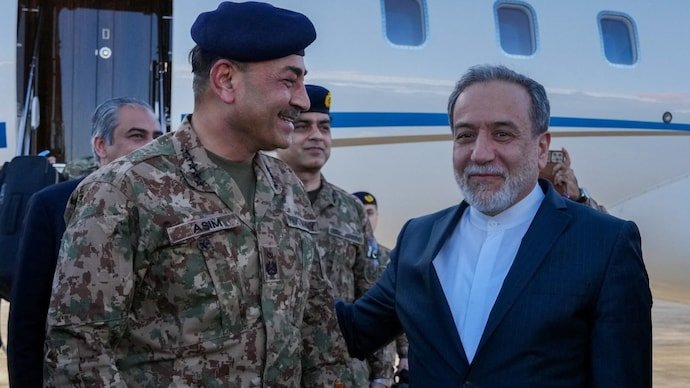
Pakistan Army chief Field Marshal Asim Munir is expected to visit Tehran for high-level consultations as Iran reviews a new US-backed truce proposal. Pakistani officials have already increased diplomatic engagement with Tehran in recent days, with Interior Minister Mohsin Naqvi making multiple visits to the Iranian capital.
On the surface, Islamabad’s involvement appears to be an attempt to reduce tensions between two hostile sides. But beneath the diplomacy lies a much bigger geopolitical story involving nuclear negotiations, Gulf stability, oil routes, China’s interests, Washington’s pressure tactics, and Pakistan’s own strategic ambitions.
The real question is no longer whether Pakistan can carry messages between Tehran and Washington. The real question is whether Islamabad is trying to transform itself into a serious regional power broker at a time when the Middle East is being reshaped.
Why Pakistan Suddenly Matters in the US-Iran Crisis
Pakistan’s growing diplomatic role did not emerge overnight.
For decades, Islamabad has maintained complex and often contradictory relationships with both Iran and the United States.
Pakistan is a long-standing US security partner with deep military ties to Washington. At the same time, it shares a sensitive 900-kilometre border with Iran and cannot afford instability spilling into its own territory.
Unlike Gulf monarchies that are closely aligned with Washington, Pakistan retains the ability to communicate with Tehran without appearing completely hostile. That makes Islamabad useful as an intermediary during crises.
Pakistan also understands something many Western policymakers often overlook: Iran’s political system responds differently to pressure than many other states.
Direct ultimatums rarely work with Tehran. Indirect channels, regional intermediaries, and face-saving diplomacy often matter far more.
That is precisely where Pakistan is trying to insert itself.
Why Asim Munir’s Visit Is Geopolitically Significant
Asim Munir’s expected visit to Tehran is not just another diplomatic courtesy call.
It signals three major realities:
- Pakistan’s military establishment is directly managing regional diplomacy.
- Iran still trusts Pakistan enough to engage through backchannels.
- Washington appears willing to tolerate or even quietly support Islamabad’s mediation efforts.
That last point is especially important.
The United States may publicly project strength toward Iran, but Washington also understands the risks of another full-scale Middle East war.
The Biden administration faced criticism for prolonged conflicts in Ukraine and the Middle East. Donald Trump, meanwhile, has repeatedly projected unpredictability toward Tehran while simultaneously claiming he prefers deals over endless wars.
Pakistan offers both sides something valuable: communication without direct political exposure.
The Nuclear Deadlock That Could Trigger Another Conflict
At the centre of the crisis lies Iran’s enriched uranium stockpile.
Iran currently possesses uranium enriched to levels far beyond ordinary civilian energy requirements. While Tehran insists its nuclear programme remains peaceful, Israel and the United States argue the stockpile brings Iran dangerously close to weapons-grade capability.
The disagreement is simple but explosive:
| Issue | US-Israel Position | Iran’s Position |
|---|---|---|
| Enriched Uranium | Must leave Iran completely | Must remain inside Iran |
| Nuclear Monitoring | Strict inspections required | Acceptable only under sovereignty limits |
| Sanctions | Conditional relief | Immediate removal demanded |
| Military Threats | All options remain open | Any attack will trigger retaliation |
This deadlock explains why the ceasefire remains fragile.
Israel views Iran’s nuclear capabilities as an existential threat. Tehran views demands to surrender uranium as a humiliation that compromises sovereignty.
Neither side wants to appear weak domestically.
That makes diplomacy extremely difficult.
Trump’s Pressure Strategy Is Creating New Risks
Donald Trump’s approach toward Iran continues to revolve around maximum pressure mixed with unpredictable diplomacy.
Publicly, Trump has kept military options on the table while simultaneously signalling openness to negotiations.
That strategy creates leverage but also enormous risks.
Iranian leaders deeply distrust Washington because of previous US withdrawals from agreements, sanctions pressure, and military threats. Tehran believes American administrations often change positions too quickly for long-term trust to exist.
This explains why Iranian officials continue emphasizing “vigilance” even while participating in negotiations.
From Tehran’s perspective, diplomacy without security guarantees could become a trap.
From Washington’s perspective, delaying too long risks allowing Iran to strengthen its nuclear capabilities further.
That tension is why intermediaries like Pakistan suddenly become valuable.
The Strait of Hormuz Is Becoming the World’s Biggest Economic Anxiety
The military and nuclear tensions are only part of the story.
The bigger global concern is energy.
The Strait of Hormuz remains one of the world’s most important shipping chokepoints. Before the conflict escalated, nearly 20 percent of global oil and LNG shipments passed through the narrow waterway.
Now, traffic through the strait has dropped sharply.
Iran’s decision to establish a “controlled maritime zone” has further alarmed global markets. Tehran’s new shipping authorization system effectively signals that Iran wants greater operational control over maritime movement near Hormuz.
That changes the geopolitical equation significantly.
Energy markets do not merely react to actual wars. They react to uncertainty.
Even the perception that Hormuz could become unstable is enough to push oil prices higher worldwide.
Why China Is Watching the Crisis Very Closely
One major player often missing from public discussions is China.
Beijing has enormous strategic interests tied to Gulf stability because China depends heavily on Middle Eastern energy imports.
If the Strait of Hormuz becomes militarized or unstable long-term, China’s economy could face serious energy disruptions.
That is one reason Beijing has increasingly supported diplomatic de-escalation between Iran and Gulf states in recent years.
Pakistan’s role may also indirectly align with Chinese interests.
China maintains close strategic ties with Pakistan through the China-Pakistan Economic Corridor (CPEC), while simultaneously expanding relations with Iran.
A stable Middle East benefits Beijing enormously.
In many ways, Pakistan’s mediation efforts may also reflect broader regional calculations involving China’s economic priorities.
Can Pakistan Actually Deliver Peace?
This is where realism becomes important.
Pakistan can facilitate communication.
It can reduce misunderstandings.
It can slow escalation.
But it cannot single-handedly solve the core disputes driving the crisis.
The central disagreements uranium enrichment, sanctions, Israeli security concerns, and Iran’s regional influence remain unresolved.
Pakistan’s influence also has limits:
- It cannot force Tehran to compromise.
- It cannot control Israeli military calculations.
- It cannot guarantee Washington’s long-term patience.
- It cannot eliminate ideological distrust between Iran and the West.
Still, diplomacy in the Middle East often operates incrementally rather than dramatically.
Preventing a war for another month can itself become a strategic success.
Pakistan’s Bigger Ambition: Regional Relevance
There is another layer to Islamabad’s diplomacy that deserves attention.
Pakistan appears eager to project itself as more than a security-dependent state struggling with economic crises.
By inserting itself into high-stakes regional negotiations, Islamabad is attempting to rebuild strategic relevance internationally.
This matters especially for Asim Munir.
Since consolidating power domestically, Munir has increasingly positioned Pakistan’s military establishment as the country’s central strategic authority not just internally, but internationally.
Diplomatic involvement in the Iran crisis helps strengthen that image.
It allows Pakistan to present itself as:
- A stabilizing regional actor
- A trusted intermediary
- A responsible nuclear power
- A bridge between competing blocs
Whether the international community fully accepts that image is another matter, but the strategic intent is becoming clearer.
The Israel Factor Complicates Everything
One reason the negotiations remain extremely fragile is Israel’s position.
Israeli leadership continues insisting that Iran’s nuclear capabilities represent a direct national security threat.
Prime Minister Benjamin Netanyahu has repeatedly argued that any agreement leaving Iran with highly enriched uranium simply delays future confrontation.
That creates a major obstacle for diplomacy.
Iran wants sovereignty.
Israel wants irreversible guarantees.
The United States wants deterrence without another costly war.
Those objectives do not naturally align.
Pakistan’s diplomacy can reduce friction temporarily, but the underlying strategic conflict remains unresolved.
The Fragile Ceasefire Could Collapse Faster Than Expected
Despite ongoing talks, the situation remains dangerously unstable.
Several factors could rapidly trigger renewed escalation:
- A military strike or assassination
- A naval incident in Hormuz
- A missile exchange involving proxies
- A breakdown in uranium negotiations
- Domestic political pressure inside Iran or Israel
- Trump losing patience with prolonged talks
Modern Middle East conflicts rarely collapse slowly. They escalate suddenly.
That is why backchannel diplomacy has intensified so urgently.
Why This Crisis Matters Far Beyond the Middle East
The implications extend well beyond Iran and Israel.
A wider regional war could affect:
- Global oil prices
- Inflation worldwide
- Shipping insurance costs
- Asian energy imports
- European economic recovery
- US election politics
- China’s supply chains
Even countries geographically far from the Gulf would feel economic consequences.
That is why multiple powers quietly support de-escalation even if they publicly maintain hardline rhetoric.
The Most Important Signal From Pakistan’s Diplomacy
Perhaps the biggest takeaway from Asim Munir’s Tehran visit is this:
The Middle East’s diplomatic landscape is changing.
Regional powers are increasingly trying to solve crises through regional channels instead of relying entirely on Western mediation.
Saudi Arabia, Qatar, Türkiye, the UAE, and now Pakistan are all seeking larger diplomatic roles in regional crises.
This reflects a broader shift toward a more multipolar geopolitical order where middle powers increasingly shape negotiations.
Pakistan’s involvement in the Iran crisis may therefore be about more than ceasefire management.
It may also be about Islamabad testing whether it can become a serious diplomatic player in the emerging regional order.
Conclusion
Asim Munir’s expected visit to Tehran comes at one of the most delicate moments in the Middle East since the recent Iran-Israel confrontation began.
Pakistan is attempting to keep communication alive between deeply distrustful adversaries while preventing the fragile ceasefire from collapsing. The effort highlights Islamabad’s growing ambition to position itself as a regional mediator at a time when global powers are struggling to contain escalating crises.
But the obstacles remain enormous.
The nuclear dispute is unresolved. Israel remains deeply suspicious of Iran’s intentions. Tehran refuses to surrender strategic leverage. Washington continues balancing diplomacy with military pressure.
Pakistan may not be able to deliver permanent peace.
Yet in a region where even temporary stability can prevent catastrophe, keeping diplomacy alive may itself become one of the most important strategic achievements.
For breaking news and live news updates, like us on Facebook or follow us on Twitter and Instagram. Read more on Latest World on thefoxdaily.com.






COMMENTS 0