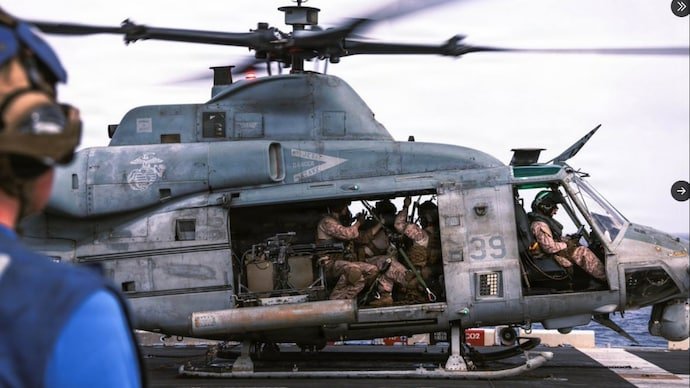
The United States has launched military strikes on Iranian targets following the reported downing of a US Apache helicopter near the Strait of Hormuz, marking one of the most significant direct confrontations between Washington and Tehran in recent years. The incident immediately drew global attention because it occurred near one of the world’s most critical energy corridors, a waterway through which a substantial share of international oil shipments passes every day.
According to US officials, the strikes targeted Iranian air defense systems, radar installations, surveillance facilities, and military control stations near the strategic waterway. Iran denied conducting offensive operations in the area but warned that any further military action would face a decisive response. As reports of explosions emerged across southern Iran, concerns grew over whether the confrontation could evolve into a broader regional conflict.
While the military exchange itself is significant, its implications extend far beyond the battlefield. Energy markets, international shipping routes, diplomatic relations, and regional Security dynamics could all be affected by developments in the coming weeks.
What Happened in the Strait of Hormuz?
The latest escalation began after US President Donald Trump accused Iran of shooting down an American Apache helicopter operating near the Strait of Hormuz. US officials stated that the helicopter was allegedly targeted by an Iranian one-way attack drone. Although both pilots reportedly survived without injuries, Washington characterized the incident as an unacceptable act of aggression.
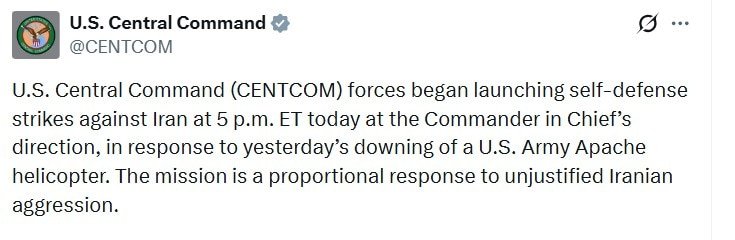
In response, US forces launched strikes against several Iranian military assets. According to American military officials, the operation was intended as a proportional and defensive response designed to neutralize threats against US personnel and assets operating in the region.
The reported targets included:
- Air defense systems
- Military radar facilities
- Ground control stations
- Surveillance infrastructure
- Strategic monitoring sites near Hormuz
Iranian media later reported explosions in Hormozgan Province, Bandar Abbas, Sirik, and areas surrounding Qeshm Island, suggesting the operation covered multiple locations near the strategic waterway.
Why the Strait of Hormuz Is One of the World’s Most Important Waterways
To understand why this incident has generated global concern, it is essential to understand the importance of the Strait of Hormuz.
The narrow passage connects the Persian Gulf with the Gulf of Oman and the Arabian Sea. It serves as the primary export route for oil-producing nations including Saudi Arabia, Iraq, Kuwait, the United Arab Emirates, Qatar, and Iran.
Energy analysts consistently describe Hormuz as the world’s most critical oil chokepoint. A significant portion of global crude oil and liquefied natural gas shipments travel through this route every day. Any disruption, even temporary, can have immediate consequences for global energy prices.
| Why the Strait of Hormuz Matters | Global Impact |
|---|---|
| Major Oil Transit Route | Supports global energy supply chains |
| LNG Exports | Critical for international natural gas markets |
| Military Presence | Hosts naval operations from multiple nations |
| Trade Corridor | Connects Gulf economies to global markets |
| Energy Security | Directly influences fuel and transportation costs |
Because of this strategic importance, military tensions in the area often trigger reactions from governments, investors, and energy companies worldwide.
The Historical Context Behind US-Iran Tensions
The latest confrontation is not an isolated event. It is part of a long history of political rivalry, military standoffs, Sanctions, and competing regional ambitions between the United States and Iran.
Relations between the two countries have remained strained since the Iranian Revolution of 1979. Over the decades, disagreements over regional influence, nuclear activities, military presence in the Gulf, and economic sanctions have repeatedly brought the two sides into conflict.
Major flashpoints have included:
- The 1979 hostage crisis
- Naval confrontations in the Persian Gulf
- Disputes over Iran’s nuclear program
- Economic sanctions and counter-sanctions
- Regional proxy conflicts
- Cybersecurity and intelligence disputes
- Attacks on commercial shipping routes
Although direct military exchanges have historically been limited, recent years have seen increasing tensions that have raised concerns about accidental escalation.
Explosions Across Southern Iran Raise Regional Concerns
Reports from Iranian media indicated that explosions were heard across multiple areas of southern Iran following the US operation. The affected locations included Bandar Abbas, Sirik, and parts of Hormozgan Province, all of which are strategically significant due to their proximity to the Strait of Hormuz.
Military analysts note that targeting radar and air defense infrastructure serves a specific purpose. Such strikes can reduce a country’s ability to monitor airspace and coordinate defensive operations, while also sending a strategic message about military capabilities.
The choice of targets suggests that the United States sought to focus on military infrastructure rather than broader civilian facilities, potentially limiting the scope of the operation while still demonstrating its willingness to respond.
Iran’s Response: Warning Against Further Military Action
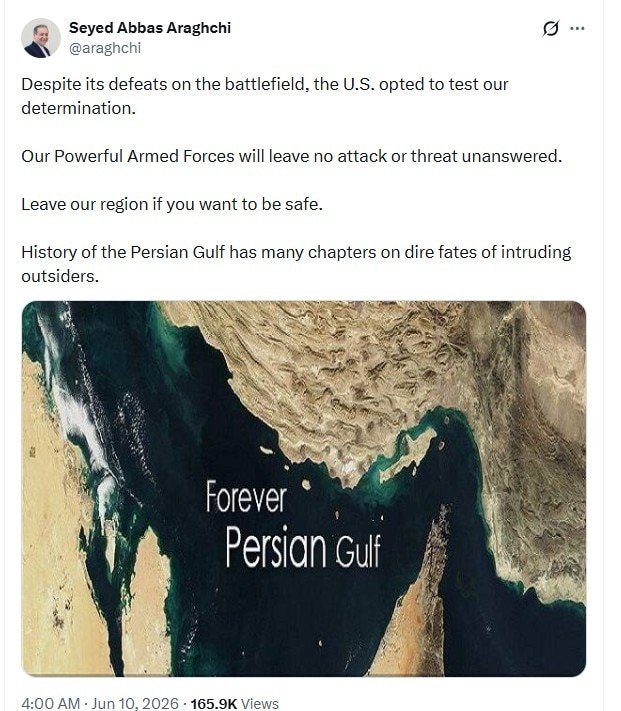
Iranian officials responded with strong warnings following the strikes. Foreign Minister Abbas Araghchi argued that foreign military forces operating near Iranian territory face constant risks and suggested that the safest solution would be for such forces to leave the region.
The Islamic Revolutionary Guard Corps (IRGC) later claimed it had targeted the US Fifth Fleet in Bahrain with drones in response to the American strikes, though details remained contested.
Iran also warned that any future attacks would receive a stronger response, emphasizing that it would not leave threats unanswered.
Such statements serve both domestic and international purposes. They demonstrate resolve to supporters while also attempting to deter future military operations.
How Oil Markets Could Be Affected
Whenever tensions rise around the Strait of Hormuz, energy markets react quickly. Even if oil exports continue uninterrupted, uncertainty itself can influence prices.
Investors closely monitor developments because disruptions in the Gulf could affect:
- Global crude oil supplies
- Natural gas shipments
- Shipping insurance costs
- Fuel prices worldwide
- Inflation in energy-importing nations
History has shown that geopolitical tensions in major energy-producing regions can create significant volatility. Countries across Asia and Europe are particularly sensitive because many rely heavily on Gulf energy exports.
The Impact on Global Shipping and Supply Chains
The consequences of military tensions extend beyond energy markets. International shipping companies often increase security measures or adjust routes when risks rise in strategic waterways.
Higher insurance premiums, additional security requirements, and potential shipping delays can increase costs for businesses worldwide. These costs may eventually be passed on to consumers through higher prices for goods and services.
In today’s interconnected economy, regional military incidents can quickly have global economic consequences.
Military Analysis: Why Radar and Air Defense Systems Were Targeted
The selection of targets provides insight into the likely objectives of the operation.
Rather than striking broad infrastructure, US forces reportedly focused on radar installations, surveillance systems, and air defense assets. Military experts often view such strikes as attempts to reduce an adversary’s operational awareness and defensive capabilities without necessarily escalating into a full-scale conflict.
The strategy appears aimed at achieving several goals:
- Reducing future threats to US aircraft
- Demonstrating military capability
- Sending a deterrent message
- Maintaining flexibility for future diplomatic efforts
Whether these objectives are achieved depends largely on how the opposing side responds.
Why This Escalation Is Different From Previous Incidents
Military confrontations in the Gulf are not new, but the current episode stands out for several reasons.
| Factor | Previous Gulf Incidents | Current Situation |
|---|---|---|
| Direct Military Exchange | Generally limited | More visible and immediate |
| Strategic Targets | Often maritime-focused | Radar and defense infrastructure |
| Energy Market Sensitivity | Moderate | High due to Hormuz location |
| Retaliation Risk | Contained | Elevated |
The combination of direct military action, competing narratives, and the strategic location of the incident has made it particularly significant.
The Bigger Question: Can a Wider Conflict Be Avoided?
One of the key concerns among analysts is whether the confrontation can remain limited. Military exchanges often create pressure for retaliation, increasing the risk of further escalation.
At the same time, both Washington and Tehran have reasons to avoid a prolonged conflict. A larger war would carry substantial military, economic, and political costs for all parties involved.
Diplomatic channels, whether direct or indirect, may therefore become increasingly important in preventing further escalation. Regional powers and international stakeholders are likely to encourage restraint while monitoring developments closely.
The Overlooked Story: Global Energy Security
An important aspect often missed in headline coverage is the broader issue of energy security. The incident highlights how dependent the global economy remains on stable maritime routes and uninterrupted energy supplies.
Even as countries invest in renewable energy and diversify supply chains, the Strait of Hormuz continues to play a central role in global energy transportation. Events in this narrow waterway can influence fuel prices, inflation, and economic confidence around the world.
This reality explains why governments, investors, and multinational corporations pay close attention to developments in the Gulf.
Future Outlook: What Happens Next?
The coming days and weeks will be critical in determining whether the confrontation remains limited or develops into a broader regional crisis.
Key indicators to watch include:
- Additional military deployments
- Naval activity in the Gulf
- Oil price movements
- Shipping security advisories
- Diplomatic mediation efforts
- Further retaliatory actions
While neither side may seek a full-scale war, the risk of miscalculation remains significant. History has shown that regional crises can escalate rapidly when communication breaks down or military actions are misunderstood.
Conclusion
The US strikes on Iranian military infrastructure following the reported Apache helicopter incident represent a major escalation in an already tense regional environment. Beyond the immediate military implications, the confrontation has the potential to affect global energy markets, maritime trade, diplomatic relations, and regional security dynamics.
The Strait of Hormuz remains one of the world’s most strategically important waterways, and developments there have consequences far beyond the Middle East. Whether this episode becomes a temporary military exchange or the beginning of a larger crisis will depend on the decisions made by both Washington and Tehran in the coming days.
For now, the world is watching closely, aware that events unfolding in a narrow stretch of water connecting the Persian Gulf to global markets could shape international security and economic stability for months to come.
For breaking news and live news updates, like us on Facebook or follow us on Twitter and Instagram. Read more on Latest World on thefoxdaily.com.






COMMENTS 0