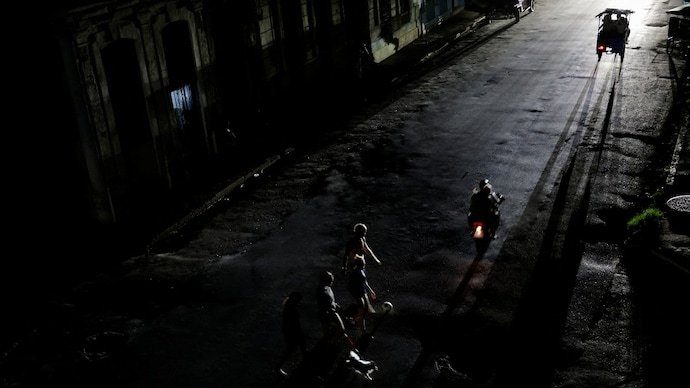
Cuba is once again facing a nationwide electricity emergency after its national power grid collapsed for the third time in just nine days, plunging nearly the entire island into darkness. The latest outage has disrupted transportation, communications, businesses, hospitals and daily life for roughly 10 million residents, while exposing the fragile state of the country’s electricity Infrastructure.
The repeated failures have intensified concerns over Cuba’s ability to maintain a stable power supply amid fuel shortages, aging thermal power plants, limited Investment in the energy sector and continuing economic pressures. Although authorities are working to restore electricity, experts warn that without structural reforms and significant modernization, similar blackouts could continue to occur.
What Happened During Cuba’s Latest Nationwide Blackout?
According to Cuba’s Energy Ministry, the country’s national electrical system experienced a complete disconnection, triggering another island-wide power outage. The blackout represents the third collapse of the national grid within a span of just nine days, making it one of the most severe periods of electrical instability in recent years.
The failure affected major cities including Havana, where traffic lights stopped functioning, businesses shut their doors, mobile communication became unreliable and backup generators were activated at critical facilities.
Authorities immediately began emergency restoration procedures by reconnecting generating stations and gradually rebuilding the electrical network. However, restoring a collapsed national grid is a technically complex process that can take several hours—or even days—depending on the scale of the damage.
Why Cuba’s Electricity Grid Keeps Failing
The latest blackout is not an isolated incident but the result of multiple long-term structural problems that have been building for years.
Cuba’s electricity system relies heavily on aging thermoelectric power stations, many of which have been operating well beyond their intended service life. Maintenance has become increasingly difficult due to shortages of spare parts, financial constraints and limited access to imported equipment.
Several additional factors have combined to weaken the country’s Energy Security:
- Decades-old thermal power plants requiring major modernization.
- Limited availability of imported fuel.
- Frequent mechanical failures at generating stations.
- Insufficient investment in new electricity infrastructure.
- Growing electricity demand during periods of extreme heat.
- Transmission and distribution losses across the national grid.
Energy experts generally agree that when an electrical system operates with very little reserve generation capacity, even a single plant failure can trigger a cascading collapse across the network.
How Fuel Shortages Are Worsening the Crisis
Fuel availability has become one of the biggest challenges facing Cuba’s electricity sector. Thermal power stations require a continuous supply of fuel oil and diesel to generate electricity, but disruptions in imports have significantly reduced available supplies.
Over the past several years, changing geopolitical conditions, financial difficulties and international Sanctions have complicated Cuba’s ability to secure reliable fuel shipments.
Venezuela, historically Cuba’s largest oil supplier, has faced declining production and economic challenges of its own, reducing its capacity to export energy. Changes in regional trade patterns have further complicated fuel procurement.
Lower fuel availability has forced authorities to reduce electricity generation, increasing pressure on already aging infrastructure.
How Blackouts Affect Everyday Life
While nationwide blackouts make headlines because of their scale, their real impact is measured in the daily struggles faced by ordinary citizens.
Electricity powers nearly every essential service—from water pumps and hospitals to grocery stores and public transportation. When the grid fails, millions experience immediate disruptions.
Residents across Cuba have reported:
- Food spoilage due to refrigerators losing power.
- Interruptions in drinking water supply.
- Traffic congestion caused by disabled traffic signals.
- Business closures and reduced commercial activity.
- Internet and mobile network disruptions.
- Difficulties operating medical equipment at home.
For elderly citizens and families caring for vulnerable relatives, prolonged outages create additional hardship.
Many households depend on refrigeration for medicines, insulin, or food storage. Extended interruptions increase both financial losses and Health risks.
Public Frustration Continues to Grow
Repeated nationwide outages have fueled growing frustration among residents already coping with Inflation, shortages of essential goods and broader economic uncertainty.
Many Cubans say the frequency of blackouts has increased significantly compared with previous years. Families now regularly prepare emergency lighting, battery-powered fans and backup cooking methods in anticipation of further outages.
Small neighborhood demonstrations, including the traditional “cacerolazo” or pot-banging protests, have become increasingly common in some areas during extended electricity interruptions.
These demonstrations often reflect broader concerns about living conditions rather than electricity alone, illustrating how energy shortages affect nearly every aspect of daily life.
Why a National Power Grid Collapse Is So Serious
Unlike localized outages caused by storms or equipment failures, a nationwide grid collapse represents one of the most difficult scenarios for electrical system operators.
When the entire transmission network disconnects simultaneously, engineers must carefully restart generating stations in a specific sequence before reconnecting transmission lines and restoring electricity region by region.
This process, known in the energy industry as a “black start,” requires precise coordination to prevent additional failures during restoration.
| Localized Power Outage | Nationwide Grid Collapse |
|---|---|
| Affects a limited area | Affects most or all of the country |
| Usually repaired within hours | May require many hours or days |
| Limited economic disruption | Nationwide economic impact |
| Often caused by weather or equipment faults | Usually triggered by cascading system failures |
| Minimal effect on national infrastructure | Disrupts transportation, healthcare, communications and commerce |
The Economic Cost of Repeated Blackouts
Electricity instability affects far more than households. It also reduces productivity across the national Economy.
Manufacturing plants often suspend production during outages, leading to lower industrial output. Hotels and tourism businesses incur higher operating costs as they rely on diesel generators to maintain services for visitors.
Retail stores lose refrigerated inventory, while small businesses face reduced revenue due to interrupted operations.
Agriculture is also affected when irrigation systems, cold storage facilities and food processing plants experience prolonged power cuts.
Economists note that frequent electricity disruptions discourage private investment because businesses require reliable infrastructure to operate efficiently.
Can Renewable Energy Reduce Cuba’s Dependence on Aging Power Plants?
Many energy analysts believe renewable energy could play a larger role in strengthening Cuba’s long-term energy security.
The island possesses considerable potential for:
- Solar power generation.
- Wind energy along coastal regions.
- Biomass produced from the sugar industry.
- Small-scale distributed electricity generation.
Expanding renewable energy could reduce dependence on imported fossil fuels while diversifying electricity production. However, renewable projects require significant investment, modern transmission infrastructure and long-term planning before they can substantially replace conventional power generation.
How Cuba’s Energy Crisis Compares Globally
Power shortages are not unique to Cuba. Countries experiencing prolonged fuel shortages, aging infrastructure or financial constraints often face similar challenges.
However, Cuba’s situation stands out because nationwide grid collapses have become increasingly frequent within a relatively short period.
Modern electrical systems typically maintain reserve generation capacity to absorb unexpected equipment failures. Where reserve capacity is limited, even relatively minor technical problems can trigger widespread cascading outages.
This makes investment in grid modernization, preventive maintenance and diversified energy sources increasingly important.
What Needs to Change?
While emergency repairs can restore electricity after each blackout, experts argue that lasting improvements require structural reforms rather than temporary fixes.
Long-term priorities include:
- Modernizing aging thermal power stations.
- Strengthening transmission infrastructure.
- Increasing investment in renewable energy.
- Diversifying fuel import sources.
- Improving maintenance programs.
- Enhancing grid resilience against cascading failures.
Without sustained investment, the risk of additional nationwide outages is likely to remain elevated.
Why the Crisis Matters Beyond Cuba
Cuba’s energy challenges carry broader regional significance. Stable electricity systems are essential for economic development, healthcare, tourism, food security and disaster preparedness.
Persistent infrastructure failures can slow economic recovery, reduce investor confidence and increase migration pressures as residents seek better living conditions elsewhere.
The situation also illustrates how energy security has become closely linked to economic resilience and national stability in an increasingly interconnected world.
Future Outlook
The latest nationwide blackout underscores the urgent need for long-term solutions to Cuba’s electricity crisis. Although emergency restoration efforts may return power in stages, repeated system-wide failures indicate deeper structural weaknesses that cannot be resolved through temporary repairs alone.
In the months ahead, the country’s ability to stabilize electricity generation will depend on improvements in fuel availability, infrastructure maintenance and investment in more resilient power sources. Expanding renewable energy, modernizing aging facilities and strengthening grid reliability could gradually reduce the frequency of nationwide outages.
Until those changes materialize, millions of Cubans are likely to remain vulnerable to recurring blackouts that affect households, businesses and essential public services, making energy security one of the country’s most pressing economic and social challenges.
For breaking news and live news updates, like us on Facebook or follow us on Twitter and Instagram. Read more on Latest World on thefoxdaily.com.





COMMENTS 0