In Japan, cats are no longer just pets. They are economic drivers, cultural icons, Tourism magnets, literary symbols, internet celebrities, and emotional companions woven deeply into the fabric of everyday life.
The phenomenon has become so economically significant that analysts now refer to it as “catnomics” a term describing the enormous financial activity generated by Japan’s fascination with felines.
According to recent economic estimates, cats are expected to contribute nearly ¥3 trillion to Japan’s Economy in 2026 through spending on pet care, cafés, tourism, merchandise, publishing, Entertainment, and lifestyle industries.
That figure places cat-driven economic activity close to the scale of some of Japan’s largest national commercial events.
But the real story behind Japan’s cat obsession goes much deeper than economics.
To understand why cats became such a powerful force in Japanese society, it is necessary to explore the country’s History, spirituality, demographics, consumer culture, and even its changing emotional landscape.
Why Cats Hold a Special Place in Japanese Culture
Japan’s fascination with cats dates back more than a thousand years.
Historians believe cats were introduced to Japan during the Nara period between the 8th and 9th centuries, likely arriving aboard ships connected to trade and diplomatic missions with china.
Initially, cats served a practical role.
Temples and aristocratic households kept them to protect precious manuscripts and rice stores from rodents.
Over time, however, cats acquired symbolic and spiritual importance.
Unlike many cultures that historically associated cats with superstition or bad luck, Japanese folklore largely portrayed cats as mysterious but benevolent creatures capable of bringing protection, prosperity, and good fortune.
This cultural perception laid the foundation for centuries of feline admiration.
The Rise of the Maneki-Neko: Japan’s Most Famous Lucky Symbol
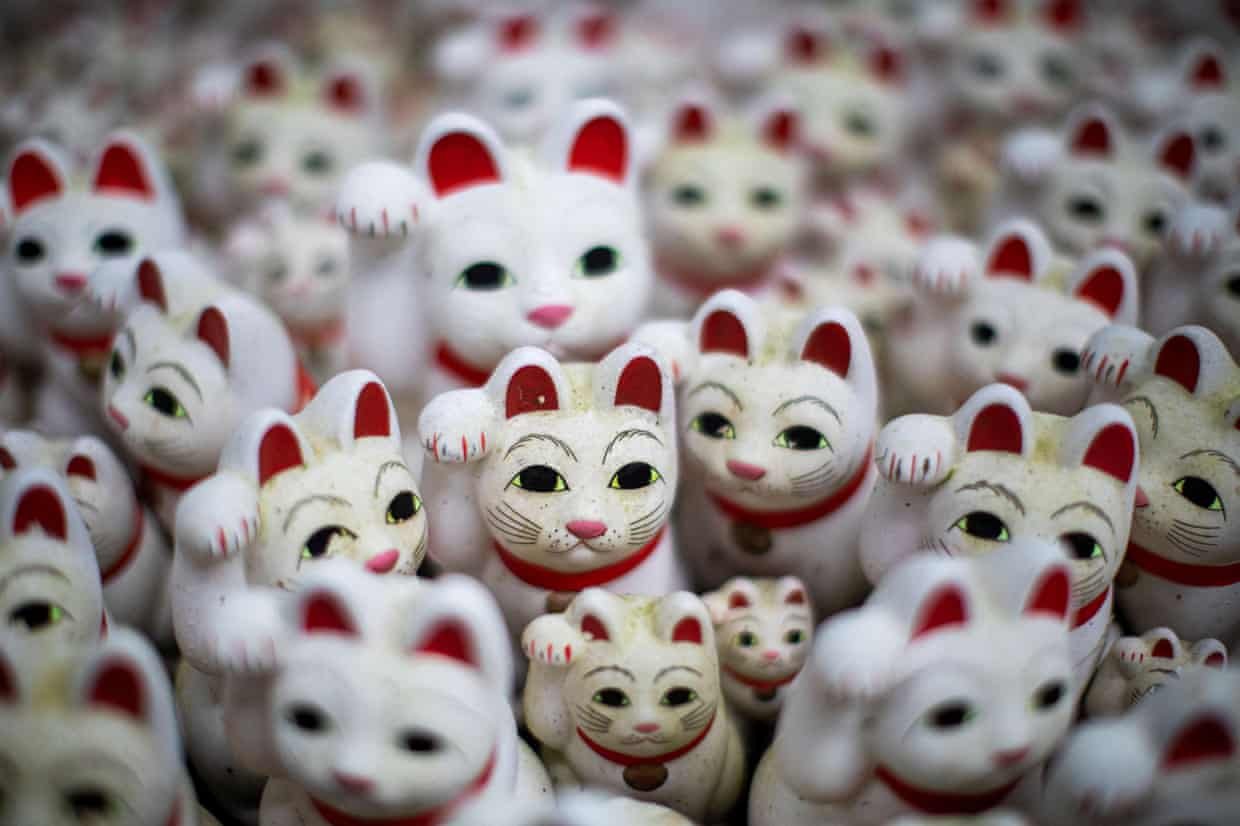
Perhaps no image represents Japan’s cat culture more powerfully than the
The small cat figurine with a raised paw is now recognized worldwide as a symbol of luck and prosperity.
These statues appear everywhere in Japan:
- Restaurants
- retail shops
- Hotels
- Temples
- Business entrances
- Tourist markets
According to legend, the symbol originated from a story involving a feudal lord who was saved from a lightning strike after following a beckoning cat into a temple.
The temple associated with the legend later became a pilgrimage site for cat lovers and remains one of Japan’s most famous feline-themed destinations.
Today, the
How Cats Became a Billion-Dollar Industry
The term “catnomics” gained popularity after Japanese economists began measuring the massive economic impact generated by cat-related spending.
Professor emeritus Katsuhiro Miyamoto of Kansai University estimated that cats could contribute nearly ¥3 trillion to Japan’s economy in 2026.
The calculation includes spending across multiple industries, including:
- Pet food and healthcare
- Cat cafés
- Tourism
- Publishing and media
- Merchandise and collectibles
- Social media branding
- Home products
- Fashion and accessories
What makes the figure especially remarkable is that it rivals the economic influence of some large national commercial events and tourism campaigns.
In modern Japan, cats have essentially become an economic ecosystem.
| Sector | How Cats Generate Revenue |
|---|---|
| Pet Industry | Food, grooming, veterinary care, insurance |
| Tourism | Cat islands, themed neighborhoods, temples |
| Retail | Souvenirs, décor, stationery, collectibles |
| Publishing | Books, manga, magazines, photo collections |
| Hospitality | Cat cafés and themed accommodations |
| Digital Economy | Social media influencers and online branding |
Why Cats Overtook Dogs in Japan
For decades, dogs dominated the pet market in many countries.
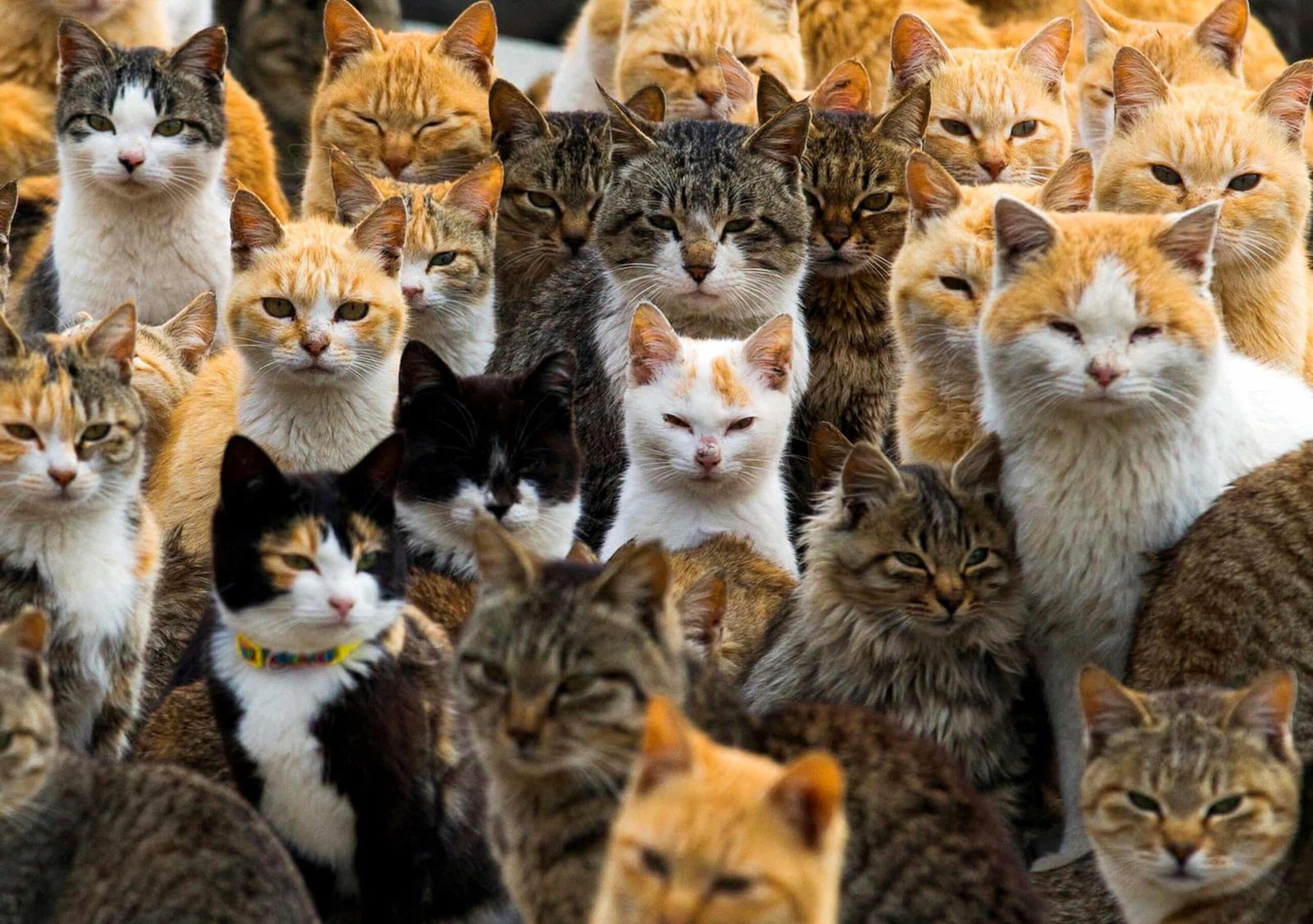
Japan, however, has witnessed a major shift toward cats.
Recent surveys indicate that cats have outnumbered dogs as pets in Japan for years.
Several social and demographic factors explain this change.
1. Smaller Urban Living Spaces
Japan’s densely populated cities often involve compact apartments where dogs can be difficult to manage.
Cats adapt more easily to small indoor environments, making them ideal companions for urban residents.
2. Aging Population
Japan has one of the world’s oldest populations.
Older adults often prefer cats because they generally require less physical maintenance than dogs.
3. Busy Work Culture
Japan’s demanding work culture leaves many people with limited time for pet care.
Cats are viewed as more independent and easier to manage for professionals living alone.
4. Emotional Comfort
As social isolation and loneliness become growing concerns, especially in urban areas, cats increasingly provide emotional companionship.
Their calming presence has become deeply connected to modern wellness culture.
Tokyo’s “Cat Town” and the Tourism Boom
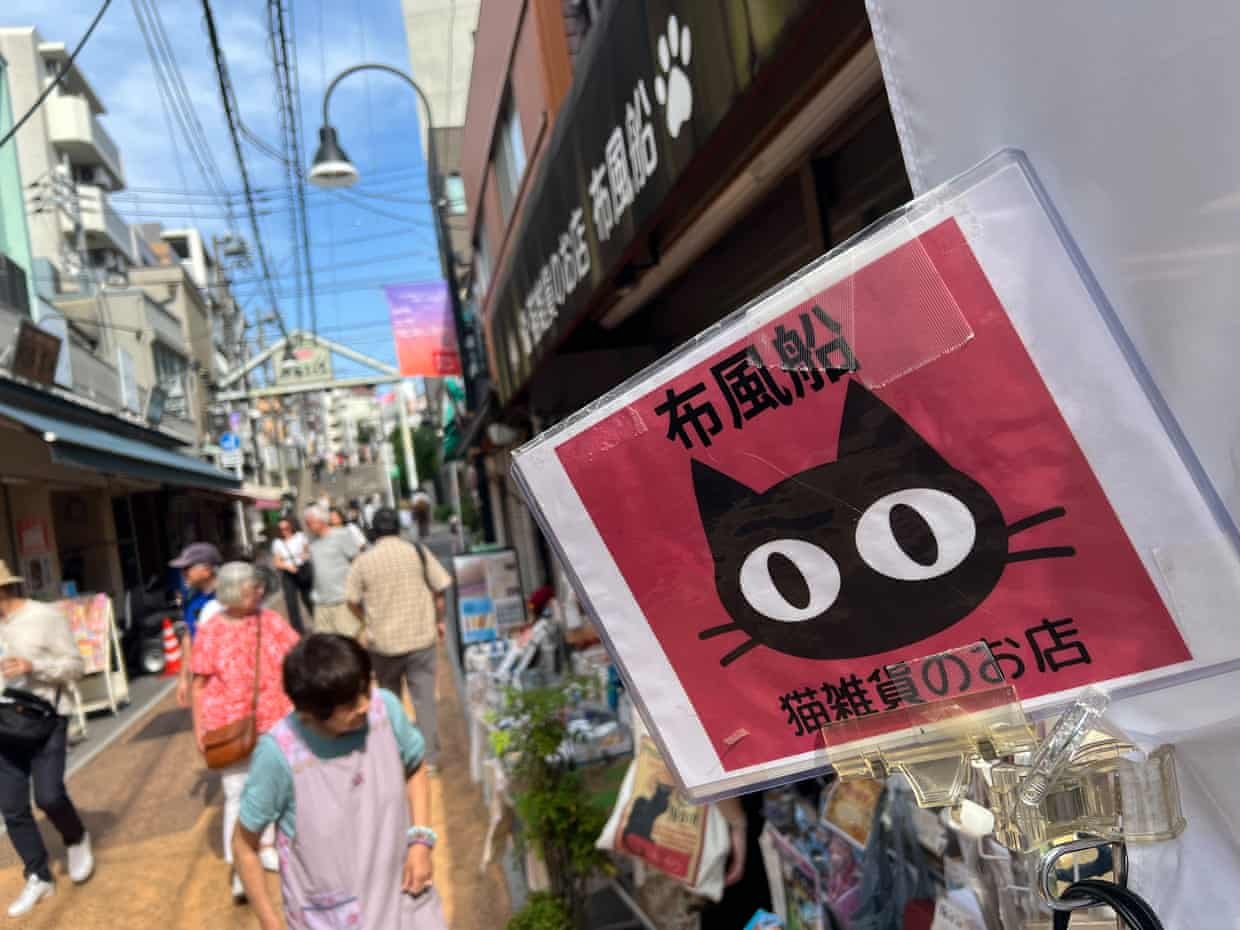
One of the clearest examples of catnomics in action can be seen in Tokyo’s Yanaka Ginza neighborhood.
Often referred to as Tokyo’s “cat town,” the area has transformed its historical association with cats into a thriving tourism identity.
Visitors flock there to experience:
- Cat-themed shops
- Feline-inspired sweets
- Customized cat merchandise
- Street art and signage
- Traditional cat-themed souvenirs
Even when actual cats remain hidden from the summer heat, the neighborhood’s branding continues attracting international tourists.
The success of Yanaka Ginza reflects a larger trend in Japan where niche cultural identities are increasingly monetized through tourism experiences.
The Global Literary Boom Helped Cats Become Cultural Icons
Japan’s global literary success has also played a major role in strengthening cat culture internationally.
Cats appear prominently in many bestselling Japanese novels, helping transform them into literary and emotional symbols.
Among the most famous works are:
I Am a Cat by Natsume SōsekiThe Travelling Cat Chronicles by Hiro ArikawaThe Guest Cat by Takashi Hiraide
Even internationally renowned novelist
Publishers have recognized the commercial power of feline imagery so strongly that cat-themed covers are now often used even for books unrelated to cats.
This reflects a fascinating marketing reality: in Japan, cats sell emotions, comfort, nostalgia, and curiosity.
The Psychology Behind Japan’s Cat Obsession
Part of the cat phenomenon can be explained psychologically.
Experts argue that cats embody qualities deeply admired within aspects of Japanese culture:
- Calmness
- Minimalism
- Quiet independence
- Emotional subtlety
- Balance and stillness
Many observers even connect feline behavior with Zen Buddhist aesthetics.
Cats appear self-contained, emotionally composed, and detached from chaos traits that resonate strongly in a high-pressure society where stress and overwork are common concerns.
In this sense, cats have become more than pets; they function almost as emotional lifestyle symbols.
The Rise of Cat Cafés and Experience Culture
Japan also pioneered the modern cat café industry.
These cafés allow customers to relax, drink coffee, and interact with cats in calming environments.
Originally designed partly for people unable to own pets in apartments, cat cafés evolved into a global trend exported far beyond Japan.
The cafés represent a larger shift toward “experience-based consumption,” where consumers increasingly spend money on emotional experiences rather than material goods alone.
Cat cafés provide:
- Stress relief
- Emotional comfort
- Social media-friendly experiences
- Temporary companionship
- Mental wellness appeal
In an increasingly digital and isolated world, these emotional spaces have become commercially valuable.
How Social Media Supercharged Catnomics
The internet dramatically accelerated the commercial power of cats.
Japan’s feline culture exploded globally through:
- YouTube videos
- Instagram pages
- Viral cat memes
- Streaming content
- Animal influencer marketing
Cats became ideal internet celebrities because of their unpredictable behavior, expressive personalities, and universal emotional appeal.
Japanese brands quickly integrated feline imagery into online advertising, product packaging, and digital campaigns.
Today, some cat influencers generate substantial commercial revenue through sponsorships and merchandise partnerships.
The Economic Contradiction: Cats in a Shrinking Japan
Despite the current boom, catnomics also faces a long-term demographic challenge.
Japan’s population is shrinking and aging rapidly.
Lower birth rates, smaller households, and rising elderly populations could eventually reduce overall pet ownership levels.
This creates a paradox:
Cats are thriving economically partly because of loneliness and demographic change, yet those same demographic trends may eventually reduce the number of households capable of caring for pets.
Analysts believe the future growth of catnomics may therefore depend increasingly on:
- Tourism
- Digital media
- Luxury pet spending
- Premium services
- Emotional wellness industries
What Other Countries Can Learn From Japan’s Cat Economy
Japan’s cat economy offers a fascinating lesson in how culture can become commerce.
Rather than treating cats as a niche interest, Japanese businesses successfully integrated feline symbolism into:
- Retail branding
- Tourism identity
- Literature
- Hospitality
- Wellness experiences
- Digital marketing
The result is a rare example of an emotional cultural attachment evolving into a sustainable economic sector.
Countries attempting to develop tourism or lifestyle industries increasingly study Japan’s ability to transform cultural identity into consumer engagement.
Conclusion: Catnomics Is Really About Modern Japanese Society
At first glance, catnomics may seem like a quirky story about pet culture. In reality, it reveals something much deeper about modern Japan.
The country’s fascination with cats reflects changing urban lifestyles, emotional needs, demographic pressures, digital consumer habits, and the growing importance of experience-driven economies.
Cats have become symbols of comfort in an increasingly stressful and isolated world.
They represent calmness in overcrowded cities, companionship in aging households, and emotional simplicity in a society often defined by pressure and complexity.
That emotional connection is precisely why catnomics became worth billions.
And as long as Japan continues seeking comfort, nostalgia, identity, and emotional escape in everyday life, its feline empire is unlikely to lose its grip anytime soon.
For breaking news and live news updates, like us on Facebook or follow us on Twitter and Instagram. Read more on Latest World on thefoxdaily.com.






COMMENTS 0