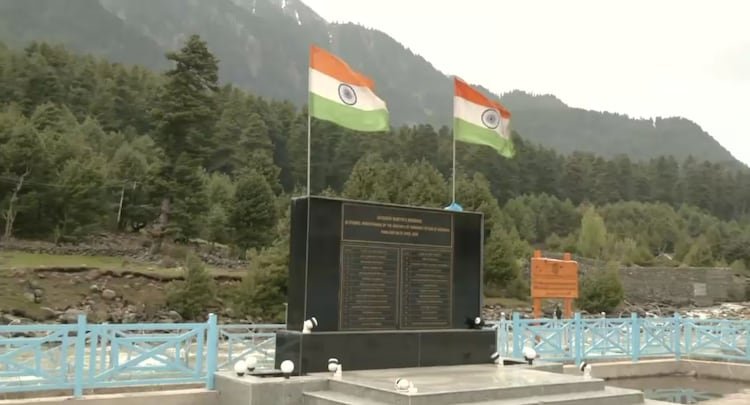
- A Year Later, Between Memory and Moving Forward
- Before the Attack: A Thriving Tourism Hub
- The Attack That Changed Everything
- Aftermath: Shockwaves Beyond the Valley
- One Year Later: What Has Changed?
- Security First: Rebuilding Confidence Through Vigilance
- The Human Side: Voices of Visitors
- Economic Recovery: Slow and Uneven
- Comparison: Pahalgam Before and After the Attack
- The Psychology of Recovery: Trust Takes Time
- A Broader Perspective: Tourism and Conflict Zones
- Looking Ahead: Can Pahalgam Fully Recover?
- Conclusion: Resilience with Memory
A Year Later, Between Memory and Moving Forward
On April 22, 2026, Pahalgam pauses.
Not for celebration, but for remembrance.
It has been one year since a brutal terror attack in Baisaran Valley claimed the lives of 26 civilians, sending shockwaves across the country and casting a long shadow over Kashmir’s tourism heartland. What was once a carefree destination known for lush meadows and winding rivers suddenly became a symbol of vulnerability.
Today, the town stands at a delicate crossroads recovering, but not fully healed. While life is returning and tourists are slowly trickling back, the memory of that day lingers in quiet streets, heightened security, and the cautious optimism of those who call Pahalgam home.
Before the Attack: A Thriving Tourism Hub
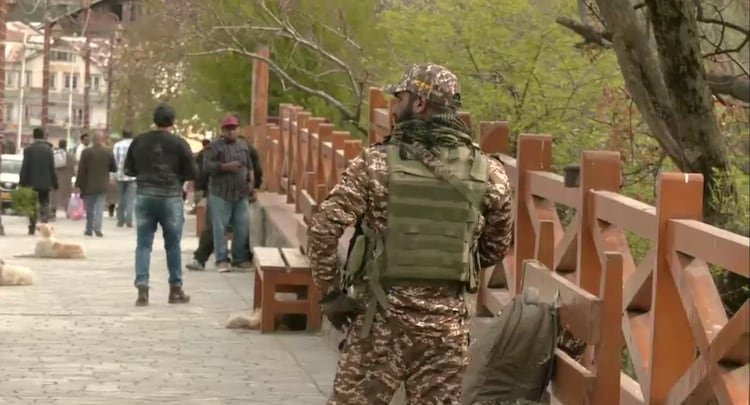
Before April 2025, Pahalgam was one of Kashmir’s most vibrant tourist destinations. Known for its scenic beauty, it attracted thousands of visitors every season families, honeymooners, trekkers, and pilgrims.
Its key attractions included:
- Expansive green meadows ideal for picnics and horseback rides
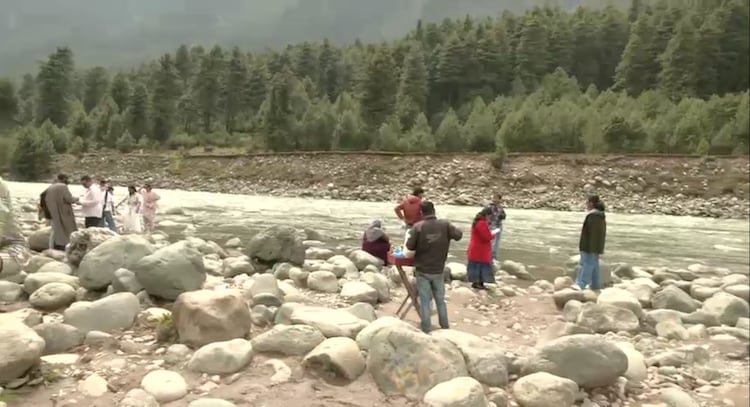
- Riverfront views that defined the region’s charm
- Gateway access to trekking routes and pilgrimage trails
Tourism was not just an industry here it was the backbone of the local economy. Hotels, guides, taxi drivers, and small vendors all depended on the steady influx of visitors.
That ecosystem was disrupted overnight.
The Attack That Changed Everything
On April 22, 2025, heavily armed terrorists opened fire on civilians in Baisaran Valley, turning a peaceful landscape into a scene of chaos and tragedy.
The attack resulted in:
- 26 civilian deaths, including tourists
- Widespread panic and immediate evacuation efforts
- A sharp decline in tourist confidence
Beyond the immediate loss of life, the psychological impact was profound. For many, the idea of Kashmir as a safe travel destination was suddenly called into question.
Aftermath: Shockwaves Beyond the Valley
The consequences of the attack extended far beyond Pahalgam.
In the weeks that followed:
- Tourists left the region in large numbers
- Bookings were cancelled across Kashmir
- Tensions between India and Pakistan escalated significantly
Military and diplomatic responses added another layer of complexity, reinforcing the sense that the incident was not just a local tragedy, but part of a larger geopolitical reality.
For residents of Pahalgam, however, the impact was immediate and personal lost livelihoods, disrupted routines, and a deep sense of uncertainty.
One Year Later: What Has Changed?
Fast forward to 2026, and Pahalgam is slowly finding its rhythm again but it is a different rhythm.
The town is quieter. The crowds are thinner. And security is more visible than ever.
While popular nearby destinations have reopened and are welcoming visitors, the site of the attack remains sealed a stark reminder of what happened.
This contrast defines Pahalgam today: progress alongside memory.
Security First: Rebuilding Confidence Through Vigilance
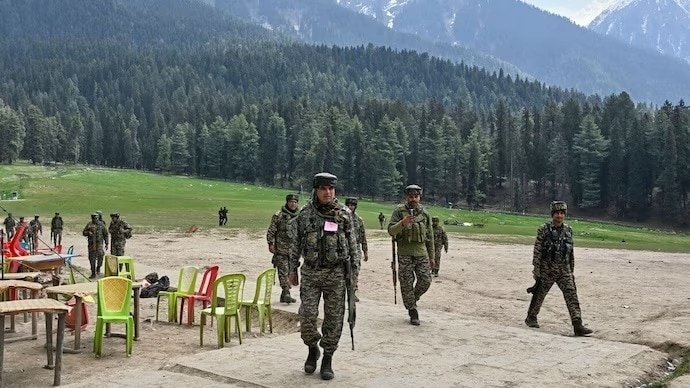
Perhaps the most noticeable change in Pahalgam is the strengthened security presence.
Authorities have implemented a multi-layered approach aimed at preventing any repeat of past events and restoring public confidence.
- Increased deployment of security personnel across key areas
- Round-the-clock surveillance in vulnerable zones
- Additional checkpoints at entry and exit points
- Strict verification protocols for tourists and workers
Even small details reflect this shift. Local vendors and service providers now carry barcode-enabled identification cards, adding an extra layer of accountability.
For visitors, these measures are both reassuring and a constant reminder of why they exist.
The Human Side: Voices of Visitors
Despite initial hesitation, some tourists are returning and their experiences offer insight into the current atmosphere.
Many describe feeling safe, often highlighting the visible security arrangements as a source of reassurance. Families, solo travelers, and repeat visitors are slowly rebuilding trust in the destination.
At the same time, there is an understanding that healing takes time. The emotional weight of the past year is still present, even as people try to move forward.
This balance between caution and confidence is shaping the recovery narrative.
Economic Recovery: Slow and Uneven
While security improvements are evident, Economic Recovery has been more gradual.
Tourism numbers, though improving, have not yet returned to pre-attack levels. This has had a ripple effect across the local economy:
- Hotels are operating below capacity
- Local businesses are seeing reduced income
- Seasonal workers face uncertain prospects
The challenge is not just attracting visitors, but restoring long-term confidence a process that cannot be rushed.
Comparison: Pahalgam Before and After the Attack
| Aspect | Before April 2025 | After April 2026 |
|---|---|---|
| Tourist Footfall | High and consistent | Gradually recovering |
| Security Presence | Moderate | Highly visible and intensive |
| Public Sentiment | Carefree and relaxed | Cautious but hopeful |
| Economic Activity | Thriving | Recovering slowly |
The Psychology of Recovery: Trust Takes Time
One of the most overlooked aspects of such incidents is the psychological impact.
Travel decisions are not driven by facts alone they are shaped by perception. Even if a destination is objectively safe, the memory of past events can influence choices for months or even years.
In Pahalgam’s case, rebuilding trust involves more than security measures. It requires:
- Consistent positive experiences for visitors
- Clear communication about safety
- Time for perceptions to shift naturally
This is why recovery, though visible, remains gradual.
A Broader Perspective: Tourism and Conflict Zones
Pahalgam’s story is not unique. Around the world, regions affected by sudden violence often follow a similar recovery trajectory:
- Immediate decline in visitors
- Gradual return driven by confidence-building measures
- Long-term normalization if stability is maintained
The key difference lies in how effectively authorities and local communities respond and how quickly trust can be rebuilt.
In this context, Pahalgam appears to be on the right path, even if the journey is far from complete.
Looking Ahead: Can Pahalgam Fully Recover?
The future of Pahalgam depends on several factors:
- Continued security and stability in the region
- Effective promotion of tourism confidence
- Support for local businesses and workers
If these elements align, there is strong potential for a full recovery. The natural beauty that once drew visitors has not changed it is still there, waiting to be rediscovered.
The challenge lies in ensuring that visitors feel comfortable enough to return.
Conclusion: Resilience with Memory
One year after the attack, Pahalgam stands as a place of quiet resilience.
It is rebuilding not with noise or spectacle, but with steady steps. Security has been strengthened, visitors are returning, and life is gradually finding balance again.
Yet, the scars remain.
They are visible in the guarded valleys, the memorials that honor those lost, and the cautious optimism of a community determined to move forward without forgetting the past.
Pahalgam’s story is not just about recovery it is about resilience in the face of tragedy, and the long, patient process of healing.
For breaking news and live news updates, like us on Facebook or follow us on Twitter and Instagram. Read more on Latest India on thefoxdaily.com.






COMMENTS 0