- What’s Driving the Surge in Oil Costs?
- The Numbers: A Sharp and Sudden Increase
- Why Pakistan Is Especially Vulnerable
- Government Response: Containment, Not Cure
- No Panic But No Comfort Either
- Comparison: Pakistan vs Other Import-Dependent Economies
- The Ripple Effect: Beyond Fuel Prices
- Short-Term vs Long-Term Outlook
- What Could Change the Situation?
- Conclusion: A Stress Test for Economic Resilience
Pakistan is facing a severe economic jolt as global oil prices surge in the wake of escalating tensions in West Asia. What was once a manageable weekly oil import bill has ballooned dramatically, exposing the country’s vulnerability to external energy shocks.
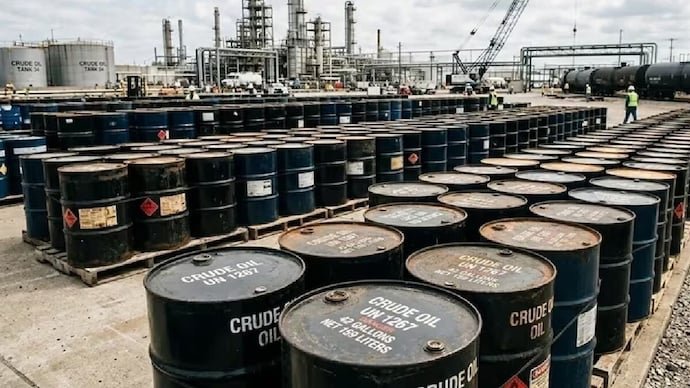
According to government estimates, Pakistan’s weekly crude oil import cost has jumped from roughly $300 million to nearly $800 million a staggering 167% increase. For an Economy already navigating fiscal constraints, this sudden spike is more than just a temporary disruption. It’s a stress test.
What’s Driving the Surge in Oil Costs?
The primary trigger is the ongoing conflict involving Iran, which has rattled global Energy Markets. Whenever instability affects key oil-producing regions or critical supply routes, prices tend to spike and importing nations feel the impact almost immediately.
Several factors are contributing to the current surge:
- Supply uncertainty: Conflict raises fears of disruption in oil production and transport
- Shipping risks: Key maritime routes face instability, increasing insurance and logistics costs
- Market speculation: Traders anticipate shortages, pushing prices higher
These dynamics have pushed crude prices upward, directly increasing Pakistan’s import bill.
The Numbers: A Sharp and Sudden Increase
| Period | Weekly Oil Import Bill | Change |
|---|---|---|
| Before Conflict | $300 million | Baseline |
| Current | $800 million | +167% |
This isn’t a gradual rise it’s a rapid escalation. And such spikes are particularly difficult for economies with limited fiscal flexibility.
Why Pakistan Is Especially Vulnerable
Not all countries feel oil price shocks equally. Pakistan’s economic structure makes it particularly sensitive to such changes.
1. Heavy Dependence on Imports
Pakistan relies heavily on imported oil to meet its energy needs. This means global price fluctuations translate directly into domestic cost pressures.
2. Limited Foreign Exchange Reserves
Higher import bills require more dollars, putting pressure on foreign exchange reserves and currency stability.
3. Inflation Sensitivity
Fuel prices influence transportation, electricity, and food costs. When oil prices rise, inflation tends to follow.
Government Response: Containment, Not Cure
The Pakistani government has moved quickly to manage the situation but its options are limited.
Key steps taken include:
- Fuel price reviews every week to reflect global changes
- Conservation measures aimed at reducing consumption
- Austerity policies to limit non-essential energy use
- Task force monitoring for real-time response
Interestingly, early signs suggest that consumption has slightly declined an indication that higher prices are already influencing behavior.
However, these are short-term adjustments. They help manage the shock but don’t eliminate the underlying vulnerability.
No Panic But No Comfort Either
Officials have emphasized that the situation remains stable for now. There have been no reports of fuel shortages, rationing, or long queues scenarios often associated with energy crises.
This stability is important. It suggests that supply chains are holding and that immediate panic has been avoided.
But stability does not mean sustainability.
If high prices persist, the pressure will accumulate on government finances, businesses, and households alike.
Comparison: Pakistan vs Other Import-Dependent Economies
| Factor | Pakistan | More Resilient Economies |
|---|---|---|
| Energy Diversification | Limited | High (renewables, gas, reserves) |
| Foreign Reserves | Constrained | Stronger buffers |
| Policy Flexibility | Restricted | Greater fiscal space |
| Shock Absorption | Low | Moderate to high |
This comparison highlights why similar global events can have very different impacts across countries.
The Ripple Effect: Beyond Fuel Prices
Oil is not just another commodity it’s the backbone of modern economies.
When its price rises, the effects spread quickly:
- Transportation costs increase, affecting goods and services
- Electricity generation becomes more expensive
- Industrial production costs rise
- Food prices can climb due to higher logistics expenses
For ordinary citizens, this often translates into a higher cost of living.
Short-Term vs Long-Term Outlook
Short Term
As long as geopolitical tensions remain high, oil prices are likely to stay elevated. Pakistan will continue to feel the strain, with frequent adjustments to fuel pricing.
Long Term
The crisis may accelerate conversations around energy diversification. Investing in alternative energy sources and reducing reliance on imported oil could become more urgent priorities.
However, such transitions take time and significant investment.
What Could Change the Situation?
Several developments could ease the pressure:
- A de-escalation in the Iran conflict
- Stabilization of global oil supply chains
- Increased production from major oil exporters
Until then, volatility is likely to remain the norm.
Conclusion: A Stress Test for Economic Resilience
Pakistan’s sudden oil import surge is a reminder of how deeply global events can impact national economies especially those reliant on external energy supplies.
While the government has managed to prevent immediate disruption, the underlying challenge remains unresolved. Sustained high oil prices could amplify existing economic pressures, making recovery more difficult.
In many ways, this moment is more than just a crisis it’s a turning point. It highlights the urgent need for structural changes in how energy is sourced, managed, and consumed.
Because in a world of unpredictable geopolitics, resilience is no longer optional it’s essential.
For breaking news and live news updates, like us on Facebook or follow us on Twitter and Instagram. Read more on Latest World on thefoxdaily.com.






COMMENTS 0