- Ceasefire Details: What Has Been Agreed?
- First Israel-Lebanon Summit in Decades
- Israel’s Position: Security First
- Lebanon and Hezbollah: Conditional Acceptance
- How the Conflict Escalated
- Humanitarian Impact: Rising Civilian Toll
- Link to US-Iran Negotiations
- Pakistan’s Role as Mediator
- Challenges Ahead: Fragile Path to Peace
- Conclusion: A Short Pause With High Stakes
US President Donald Trump has announced a 10-day Ceasefire in Lebanon following what he described as “excellent conversations” with Lebanese President Joseph Aoun and Israeli Prime Minister Benjamin Netanyahu. The truce, set to begin at midnight on Thursday, aims to halt nearly seven weeks of escalating conflict between Israel and Hezbollah in southern Lebanon. The ceasefire is expected to be followed by a rare summit between Israeli and Lebanese leaders in Washington next week the first such meeting in decades. The move is also closely tied to broader US-Iran negotiations, making it a critical moment in Middle East Diplomacy.
Ceasefire Details: What Has Been Agreed?
The ceasefire is designed as a short-term pause in hostilities, offering both sides an opportunity to step back from active conflict and explore diplomatic solutions.
Key elements of the agreement include:
- Duration: 10 days
- Start time: Midnight Thursday (Lebanon time)
- Scope: Halt in fighting between Israel and Hezbollah
- Next step: High-level talks in Washington
While details remain limited, the announcement signals a coordinated effort involving multiple stakeholders, including the United States, Israel, Lebanon, and indirectly Iran.
Trump emphasized that the agreement followed direct communication with both leaders, suggesting active US involvement in brokering the truce.
First Israel-Lebanon Summit in Decades
One of the most significant outcomes of the ceasefire is the planned meeting between Israeli and Lebanese leaders in Washington next week.
This would mark the first meaningful summit between the two countries in decades, reflecting a rare diplomatic opening.
The agenda is expected to include:
- Border security arrangements
- Israeli military presence in southern Lebanon
- Long-term peace framework
Such a meeting carries symbolic and strategic importance, as Israel and Lebanon have historically had hostile relations with limited direct engagement.
Israel’s Position: Security First
Israeli Prime Minister Benjamin Netanyahu welcomed the ceasefire but made it clear that any long-term agreement would depend on Hezbollah’s disarmament.
“We have an opportunity to make a historic peace agreement with Lebanon,” Netanyahu said, while insisting on strict security conditions.
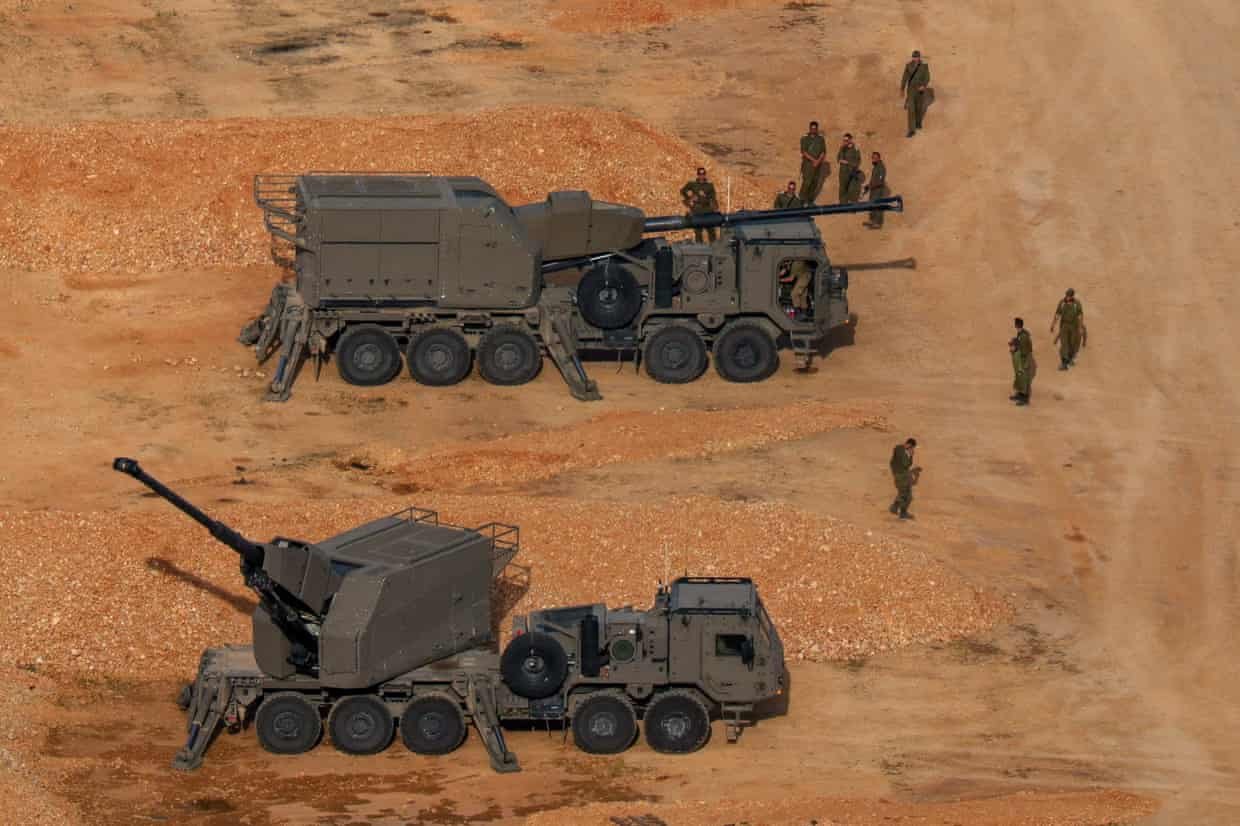
Israel has also indicated plans to maintain a 10-kilometer security zone along the southern Lebanese border, highlighting ongoing concerns about cross-border threats.
This stance underscores a key challenge: balancing ceasefire commitments with long-standing security objectives.
Lebanon and Hezbollah: Conditional Acceptance
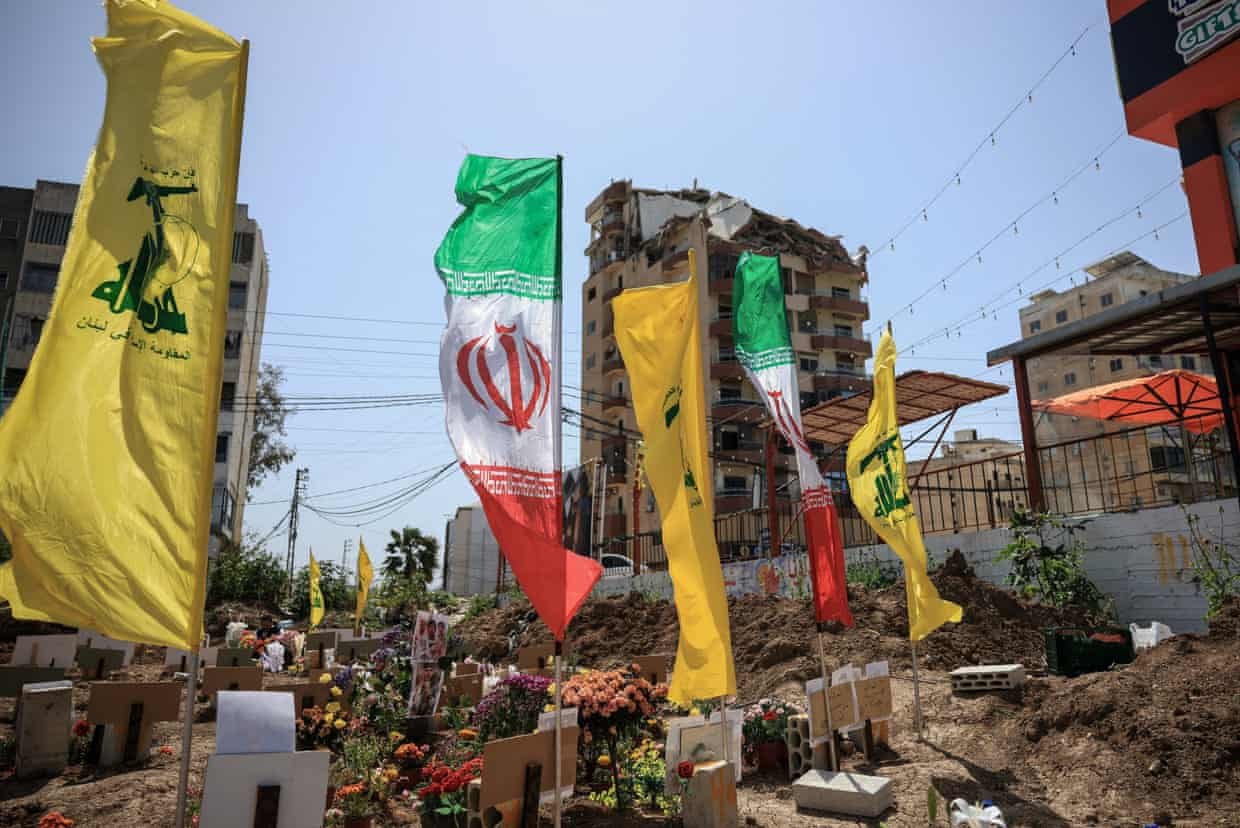
The Lebanese government, which has limited control over Hezbollah, has not been a direct combatant in the conflict. However, signals from Hezbollah suggest cautious acceptance of the ceasefire.
Hezbollah lawmaker Hassan Fadlallah indicated that the group would respect the truce provided Israel fully halts its military operations.
This conditional approach reflects the complexity of the situation:
- Lebanon seeks stability and withdrawal of Israeli forces
- Hezbollah maintains its own military and political agenda
- Israel demands disarmament as a precondition for peace
These competing priorities will likely shape the success or failure of the ceasefire.
How the Conflict Escalated
The current conflict began spilling into Lebanon on March 2, when Hezbollah launched missile attacks on Israel in solidarity with Iran following US-Israeli strikes on Tehran.
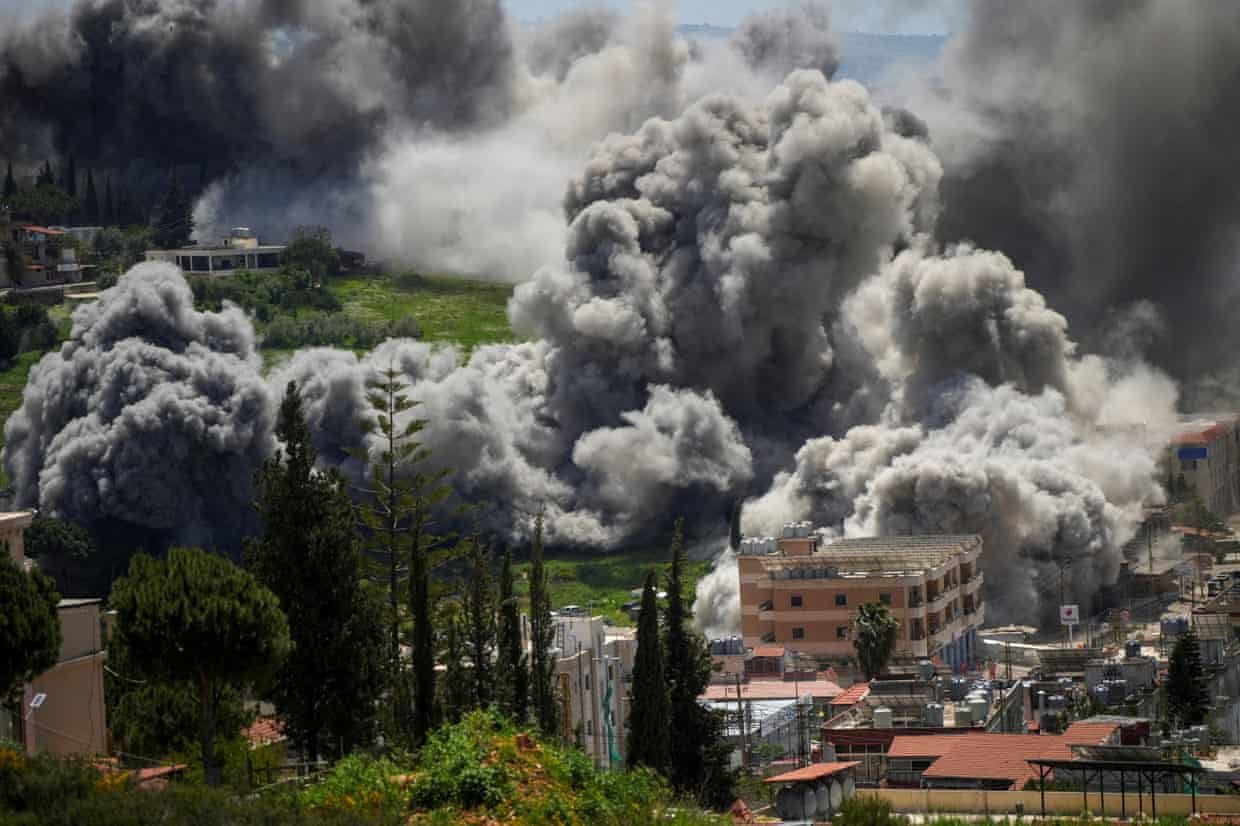
Israel responded with extensive airstrikes and a ground invasion into southern Lebanon, leading to widespread destruction and displacement.
Key developments include:
- Israeli strikes targeting Hezbollah positions and infrastructure
- Ground operations extending toward the Litani River
- Ongoing rocket fire from Hezbollah into northern Israel
The conflict has been intense and fast-moving, with both sides sustaining losses and civilians caught in the crossfire.
Humanitarian Impact: Rising Civilian Toll
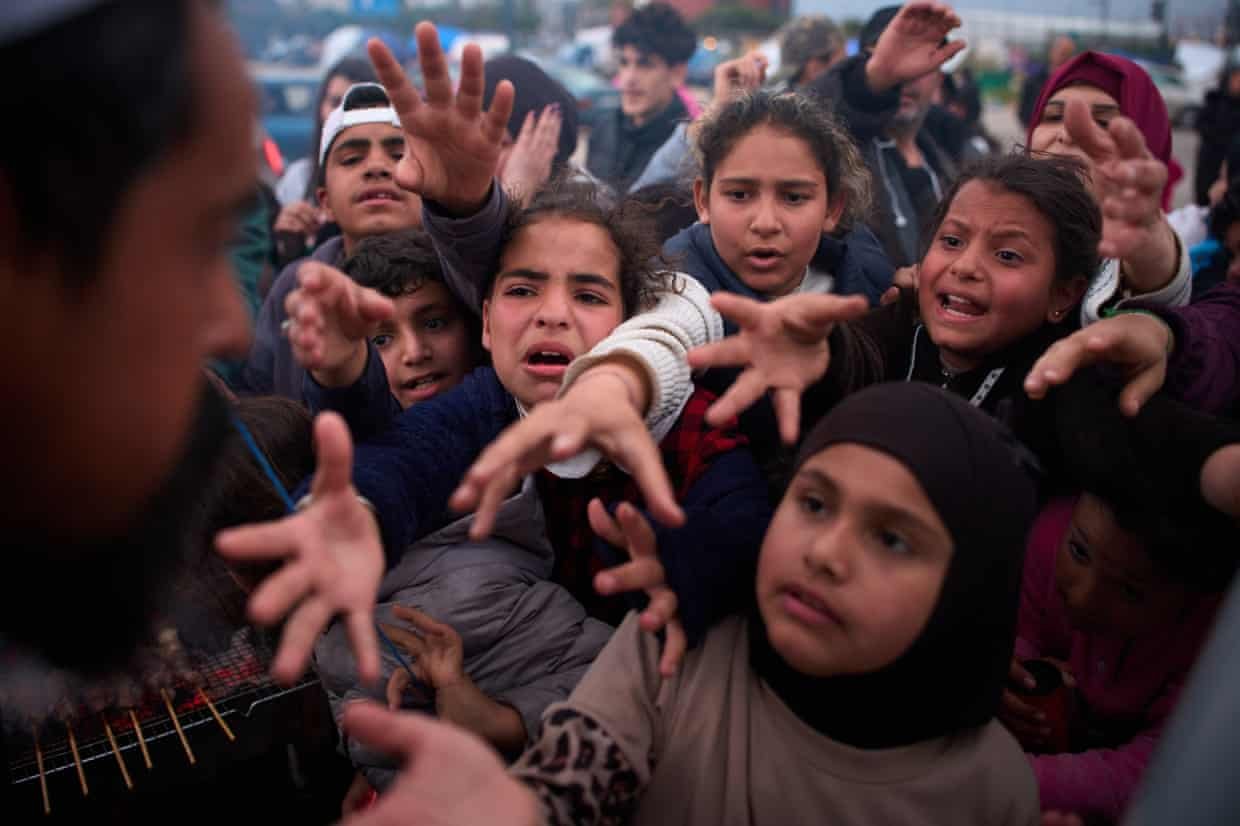
The human cost of the conflict has been severe. In less than seven weeks:
- Over 2,000 people have been killed
- More than 7,000 have been injured
- Millions have been displaced
Infrastructure damage has compounded the crisis, with reports of destroyed bridges, schools, and critical facilities.
In one instance, an Israeli strike reportedly hit an ambulance, while another operation cut off access to the city of Tyre by destroying key transport links.
These developments highlight the urgency of achieving a sustainable ceasefire.
Link to US-Iran Negotiations
The Lebanon ceasefire is not an isolated development it is closely tied to parallel negotiations between the United States and Iran.
The broader conflict began with US-Israeli strikes on Iran on February 28, followed by retaliatory actions from Tehran.
Key issues in the US-Iran Talks include:
- Reopening the Strait of Hormuz
- Limits on Iran’s nuclear program
- Financial and sanctions-related agreements
Progress in Lebanon could help create momentum for these negotiations, while setbacks could derail both tracks.
Pakistan’s Role as Mediator
Pakistan has emerged as a key mediator in the ongoing diplomatic efforts, hosting initial talks in Islamabad.
Although the first round of negotiations broke down after extended discussions, efforts are underway to organize a second round.
Pakistani leadership, including Prime Minister Shehbaz Sharif and military officials, have been actively engaging with both sides to narrow differences.
This involvement highlights the increasingly global nature of the conflict and the need for third-party mediation.
Challenges Ahead: Fragile Path to Peace
Despite the ceasefire, significant challenges remain:
Hezbollah Disarmament
Israel’s demand for disarmament is a major obstacle, given Hezbollah’s entrenched position in Lebanon.
Israeli Military Presence
Lebanon is likely to push for a full withdrawal of Israeli forces, which Israel has historically resisted.
Ceasefire Enforcement
Maintaining discipline on both sides during the 10-day period will be critical.
Regional Dynamics
The involvement of Iran adds complexity, linking the Lebanon conflict to broader geopolitical tensions.
Even small violations could escalate quickly, making the situation highly volatile.
Conclusion: A Short Pause With High Stakes
The 10-day ceasefire announced by President Trump represents a crucial but fragile opportunity to de-escalate a rapidly intensifying conflict. It offers immediate relief from violence and opens the door to rare diplomatic engagement between Israel and Lebanon.
However, the path to lasting peace remains uncertain. Deep-rooted tensions, competing demands, and regional complexities continue to pose significant challenges.
The upcoming summit and parallel US-Iran negotiations will play a decisive role in determining whether this ceasefire becomes a stepping stone toward stability or just another brief pause in a long-running conflict.
For now, the world watches closely as diplomacy attempts to gain ground over escalation in one of the most sensitive regions on the global stage.
For breaking news and live news updates, like us on Facebook or follow us on Twitter and Instagram. Read more on Latest World on thefoxdaily.com.






COMMENTS 0