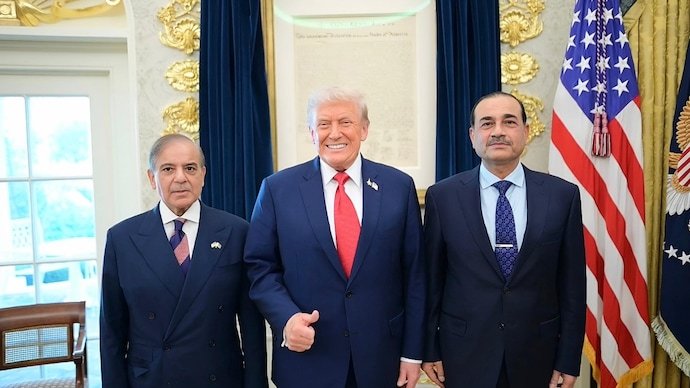
- Why JD Vance’s Pakistan Trip Matters More Than It Seems
- The Core Issue: Why Iran Is Holding Back
- Washington’s Strategy: Pressure First, Diplomacy Later
- Two Major Flashpoints Blocking Progress
- Pakistan’s High-Stakes Role as Mediator
- The Economic Ripple Effect: Why the World Is Watching
- A Comparison Worth Noting: Then vs Now
- What Happens Next? Three Possible Scenarios
- Insight: The Real Battle Is Over Leverage, Not Just Peace
- Conclusion: A Diplomatic Clock Ticking Toward Uncertainty
The fragile diplomatic bridge between the United States and Iran is once again under strain. Just as high-stakes negotiations were expected to resume in Islamabad, a sudden pause in US Vice President JD Vance’s visit has cast fresh doubts over the future of Peace Talks. With a ceasefire deadline looming, Iran’s reluctance to commit and Washington’s uncompromising stance have pushed the situation to a critical tipping point.
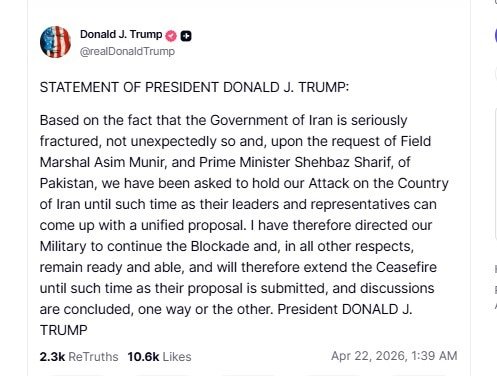
At the heart of this geopolitical standoff lies a complex web of mistrust, strategic pressure, and conflicting interests. The United States wants firm concessions on Iran’s nuclear ambitions, while Tehran is unwilling to negotiate under what it perceives as coercion. Meanwhile, Pakistan an unlikely but increasingly central mediator is attempting to keep dialogue alive amid rising tensions.
Why JD Vance’s Pakistan Trip Matters More Than It Seems
The postponement of JD Vance’s Islamabad visit is not just a scheduling hiccup it reflects deeper cracks in the negotiation process. His presence was meant to signal Washington’s seriousness about Diplomacy, potentially encouraging Iran to send a high-level delegation. Without that signal, Tehran appears hesitant to engage.
Diplomatic visits at this level are rarely symbolic. They act as trust-building mechanisms, especially in conflicts where both sides question each other’s intentions. Vance’s absence removes a critical layer of reassurance, making already fragile talks even more uncertain.
Interestingly, reports suggest that Iran might have considered participating if the US delegation was led by a senior figure like Vance. This indicates that optics and hierarchy still matter deeply in global diplomacy.
The Core Issue: Why Iran Is Holding Back
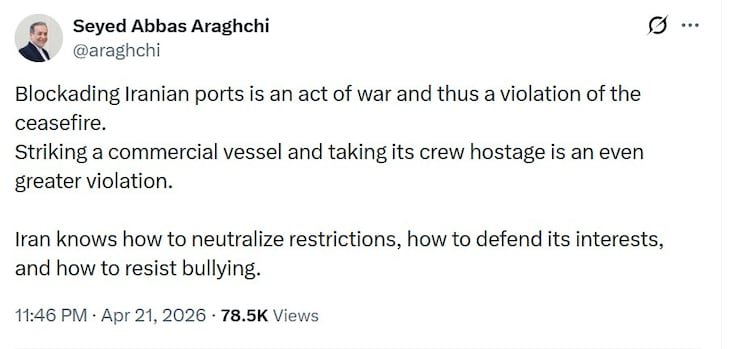
Iran’s hesitation is rooted in more than just tactical delay it reflects a broader strategic calculation. Tehran has consistently argued that negotiating under pressure undermines its sovereignty. Recent US actions, including maritime enforcement measures and continued Sanctions pressure, have only reinforced this perception.
From Iran’s perspective, entering talks now could be seen domestically as a sign of weakness. This is particularly sensitive given internal political divisions within the country, where hardliners and moderates often clash over how to deal with the West.
Moreover, Iran’s leadership appears unconvinced about the sincerity of US intentions. The continuation of economic and military pressure during a ceasefire period raises fundamental questions: Is diplomacy genuinely the goal, or is it merely a strategic pause?
Washington’s Strategy: Pressure First, Diplomacy Later
The United States, on the other hand, is operating from a position of calculated strength. By maintaining military readiness and enforcing strict conditions, Washington aims to extract maximum concessions from Iran particularly on its nuclear programme.
This approach follows a familiar pattern: apply pressure to bring the opposing side to the negotiating table on favourable terms. However, history shows that such strategies can backfire when the other side refuses to engage under duress.
There is also a domestic dimension at play. Strong rhetoric and a hardline stance often resonate politically within the US, especially during periods of global uncertainty. This makes it harder for leaders to appear flexible, even if compromise is necessary for long-term peace.
Two Major Flashpoints Blocking Progress
1. Iran’s Nuclear Programme
The most significant obstacle remains Iran’s nuclear ambitions. The US demands strict limitations, including reducing enriched uranium stockpiles and allowing comprehensive inspections. Iran insists its programme is peaceful and resists dismantling key capabilities.
This deadlock is not new but what makes it more dangerous now is the absence of trust. Without mutual confidence, even minor disagreements can derail entire negotiations.
2. Control of Strategic Trade Routes
The second flashpoint revolves around control of critical maritime routes, especially those vital for global energy supplies. Disruptions here have far-reaching consequences, affecting oil prices, global trade, and economic stability.
Both sides view control over these routes as leverage. For Iran, it is a way to counterbalance US military superiority. For the US, it is a means to enforce international norms and maintain global stability.
Pakistan’s High-Stakes Role as Mediator
Amid this tension, Pakistan has emerged as a key diplomatic player an unexpected development in global geopolitics. Hosting talks between two adversaries is no small task, especially when both sides are deeply suspicious of each other.
Islamabad’s strategy appears to be rooted in maintaining open communication channels with both Washington and Tehran. Its geographical position and political relationships give it unique leverage, but also expose it to significant risks.
For Pakistan, success in mediating these talks could elevate its global standing. Failure, however, could damage its credibility and complicate its already delicate foreign policy balancing act.
| Stakeholder | Primary Goal | Key Challenge |
|---|---|---|
| United States | Limit Iran’s nuclear capabilities | Gaining trust while maintaining pressure |
| Iran | Preserve sovereignty and strategic assets | Avoid appearing weak domestically |
| Pakistan | Facilitate peace talks | Balancing relations with both sides |
The Economic Ripple Effect: Why the World Is Watching
This standoff is not just a regional issue it has global consequences. Energy markets are particularly sensitive to developments in this conflict. Even minor disruptions can lead to spikes in oil prices, affecting economies worldwide.
Stock markets have already shown signs of volatility, reflecting investor uncertainty. Businesses dependent on stable energy supplies are closely monitoring the situation, knowing that prolonged instability could disrupt operations and increase costs.
In simpler terms, what happens in these negotiations doesn’t stay confined to diplomatic circles it directly impacts everyday life, from fuel prices to inflation.
A Comparison Worth Noting: Then vs Now
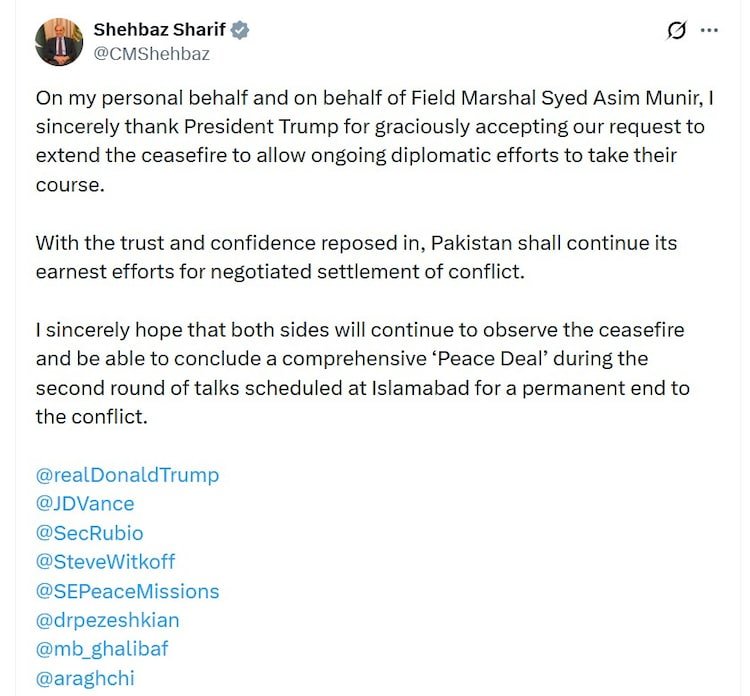
Unlike earlier rounds of US-Iran negotiations, the current situation is marked by deeper mistrust and higher stakes. Previous talks often had clearer frameworks and mutual willingness to engage. Today, both sides appear more rigid, making compromise harder.
The presence of new geopolitical variables such as shifting alliances and evolving military strategies adds another layer of complexity. This is not just a repeat of past negotiations; it is a more unpredictable and potentially volatile chapter.
What Happens Next? Three Possible Scenarios
1. Diplomatic Breakthrough
If backchannel negotiations succeed, talks could resume quickly, potentially leading to a temporary agreement that extends the ceasefire.
2. Prolonged Stalemate
The most likely scenario in the short term, where neither side backs down, leading to extended uncertainty and periodic escalations.
3. Escalation to Conflict
If the ceasefire collapses without a diplomatic alternative, tensions could escalate into direct confrontation a scenario with severe global consequences.
Insight: The Real Battle Is Over Leverage, Not Just Peace
One key insight often overlooked is that these negotiations are not solely about achieving peace they are about shaping the terms of that peace. Both the US and Iran are trying to maximise their strategic advantage before committing to any agreement.
This explains the current deadlock. Each side believes time and pressure will eventually force the other to concede. The challenge is that such calculations can easily spiral into unintended conflict.
Conclusion: A Diplomatic Clock Ticking Toward Uncertainty
The pause in JD Vance’s Pakistan trip is more than a logistical delay it is a reflection of deeper uncertainties surrounding US-Iran Relations. With the ceasefire hanging in the balance and both sides unwilling to compromise easily, the path forward remains unclear.
Pakistan’s role as mediator offers a glimmer of hope, but success will depend on whether it can bridge the growing trust deficit between the two adversaries. For now, the world watches as diplomacy struggles to keep pace with rising tensions.
The coming days will be decisive. Whether this moment leads to renewed dialogue or deeper conflict will shape not just regional stability, but the global geopolitical landscape for years to come.
For breaking news and live news updates, like us on Facebook or follow us on Twitter and Instagram. Read more on Latest World on thefoxdaily.com.





COMMENTS 0