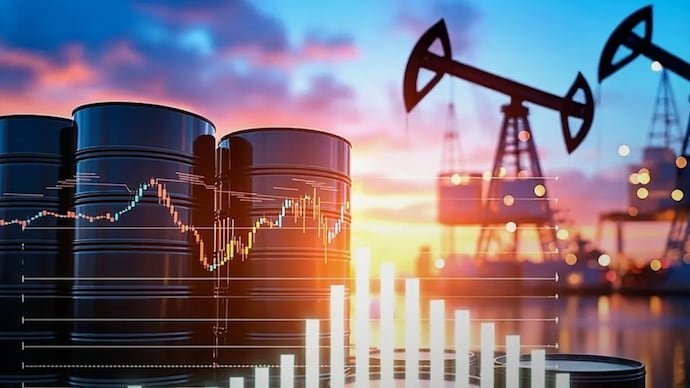
Global oil markets are once again trapped between hope and fear.
Just as investors began pricing in the possibility of a breakthrough between the United States and Iran, fresh American military strikes inside southern Iran reminded traders how fragile the situation remains. Brent crude jumped nearly 2% in Asian trading after the Pentagon confirmed operations targeting Iranian missile launch sites and naval mine-laying activity near the Strait of Hormuz.
The latest escalation comes during one of the most geopolitically sensitive periods for energy markets in years. While both Washington and Tehran continue discussing a draft agreement aimed at ending months of conflict, military activity near one of the world’s most important shipping chokepoints has exposed how quickly optimism can collapse.
The Strait of Hormuz carries roughly one-fifth of global oil and liquefied natural gas supplies. Any disruption there immediately affects crude prices, shipping costs, inflation expectations and investor confidence worldwide.
The result is a market reacting not just to war, but to uncertainty itself.
Why Oil Prices Jumped After the US Strikes
Brent crude futures climbed to around $97.56 per barrel after the US Central Command announced strikes against Iranian-linked targets in southern Iran. According to the Pentagon, the operations targeted missile systems and vessels allegedly attempting to deploy naval mines in Gulf waters.
Even though US officials described the strikes as “defensive”, traders interpreted them as evidence that the conflict could spiral again at any moment.
Oil prices had actually fallen sharply during the previous session after reports suggested the US and Iran were nearing a draft understanding that could reopen the Strait of Hormuz and reduce supply disruptions. But the military strikes abruptly changed market sentiment.
This pattern has become increasingly common throughout the conflict:
| Event | Market Reaction |
|---|---|
| Reports of Iran-US peace progress | Oil prices fall |
| US military strikes in Iran | Oil prices surge |
| Hormuz reopening discussions | Shipping stocks rise |
| Threats of escalation | Energy markets rally sharply |
For investors, every new headline now carries massive financial consequences.
Why the Strait of Hormuz Matters So Much
The Strait of Hormuz is not just another shipping route. It is arguably the single most strategically important energy corridor on the planet.
The narrow waterway connects the Persian Gulf to the Arabian Sea and serves as the export gateway for major oil producers including Saudi Arabia, Iraq, Kuwait, the UAE and Iran itself.
According to publicly available international energy data, approximately 20% of global petroleum consumption passes through the strait daily.
That includes:
- Crude oil shipments
- Liquefied natural gas exports
- Petrochemical products
- Strategic energy supplies to Asia
Countries such as India, China, Japan and South Korea are especially vulnerable to disruptions there because they rely heavily on Gulf energy imports.
When Iran began restricting shipping access after the conflict escalated earlier this year, tanker traffic slowed dramatically. Freight insurance costs soared. Several ships remained stranded for weeks.
Now, even limited military activity near Hormuz is enough to trigger market panic.
The Proposed Iran-US Deal: What Is Actually Being Discussed?
Despite ongoing tensions, diplomatic negotiations are still active.
Iranian officials, US negotiators and Gulf mediators have reportedly been working on a draft framework that could temporarily stabilise the region while broader nuclear talks continue.
Key proposals reportedly under discussion include:
- Reopening the Strait of Hormuz
- Removing naval mines from shipping lanes
- Allowing tanker traffic to resume normally
- Partial sanctions relief for Iran
- Future negotiations on Iran’s nuclear programme
- Possible uranium stockpile restrictions
- A temporary ceasefire framework
However, major disagreements remain unresolved.
One of the biggest sticking points is Iran’s demand for immediate access to frozen assets and sanctions relief before implementing certain security commitments.
The United States, meanwhile, continues insisting that Tehran must address concerns surrounding uranium enrichment and future nuclear safeguards before full economic relief is granted.
This sequencing dispute has become a central obstacle.
Why Markets No Longer Fully Trust Peace Headlines
One important reason oil prices continue swinging wildly is that traders increasingly doubt whether any announced progress will actually hold.
Over the past several months, negotiations have repeatedly appeared close to success before collapsing.
Every time optimism builds, new military incidents, political disagreements or contradictory public statements derail momentum.
This has created what analysts now describe as a “headline-driven energy market.”
Unlike traditional supply-demand cycles, oil prices are currently reacting minute-by-minute to geopolitical rhetoric.
US President Donald Trump’s public messaging has amplified this volatility.
At various moments, Trump has:
- Claimed a deal was “largely negotiated”
- Warned Iran against testing US patience
- Insisted sanctions would remain fully active
- Promoted Diplomacy while authorising strikes
- Suggested negotiations should not be rushed
For markets, the contradiction itself has become destabilising.
How the Crisis Is Affecting India and Asia
Asian economies are among the most exposed to prolonged instability in the Gulf.
India, China, Japan and South Korea depend heavily on imported crude from West Asia. Rising oil prices directly affect inflation, transportation costs and industrial production.
For India specifically, higher crude prices often translate into:
- Increased petrol and diesel prices
- Higher transportation costs
- Rising food inflation
- Pressure on the rupee
- Costlier imports
- Strain on household budgets
This comes at a difficult time for Indian consumers already facing rising fuel prices domestically.
Recent surveys suggest many Indian households are reducing discretionary travel and spending due to higher transportation costs. A prolonged Gulf crisis could worsen those pressures.
China faces even larger strategic concerns because it imports massive volumes of Gulf oil. Beijing has quietly intensified diplomatic engagement with Gulf states while monitoring shipping security near Hormuz.
Could Oil Prices Cross $100 Again?
That possibility is becoming increasingly realistic.
Several market analysts believe Brent crude could easily move above $100 per barrel if:
- Hormuz shipping disruptions worsen
- Negotiations collapse completely
- Iranian exports face tighter restrictions
- US-Iran military clashes intensify
- Regional militias enter the conflict more aggressively
Historically, Gulf conflicts tend to create rapid oil spikes because traders price in future supply risk before actual shortages occur.
Even rumours of disruption can move prices sharply.
The psychological factor is critical here. Markets are not simply reacting to current supply losses. They are reacting to the fear of what could happen next.
Why the US Strikes Matter Beyond Oil
The latest US military action also carries wider geopolitical implications.
Washington appears to be trying to maintain pressure on Iran while simultaneously keeping diplomacy alive. That balancing act is becoming increasingly difficult.
If the US escalates too aggressively:
- Iran could abandon negotiations entirely
- Regional allies may face retaliatory attacks
- Shipping disruptions could deepen
- Global inflation risks could rise sharply
But if Washington appears too conciliatory:
- Domestic political critics may attack the administration
- Regional allies like Israel may lose confidence
- Iran could gain leverage in future negotiations
This tension explains why the messaging from Washington often appears inconsistent.
The administration is attempting to preserve both military deterrence and diplomatic flexibility simultaneously.
The Hidden Economic Threat: Inflation
One major issue receiving less attention is the inflation risk tied to rising energy prices.
Oil affects almost every sector of the global economy:
- Transportation
- Manufacturing
- Agriculture
- Shipping
- Air travel
- Food distribution
When crude prices rise sharply, those higher costs eventually filter into consumer prices worldwide.
Central banks across major economies have spent the past several years trying to stabilise inflation after pandemic-era disruptions. Another sustained oil shock could complicate that effort significantly.
That is one reason global governments are watching Hormuz developments so closely.
What Happens Next?
The next few weeks could determine whether the Gulf crisis moves toward de-escalation or a deeper confrontation.
Several key developments will likely shape the outcome:
1. Progress in Doha Negotiations
Talks involving Iranian and US negotiators remain ongoing. Any signs of compromise on sanctions relief or uranium restrictions could calm markets.
2. Security Around Hormuz
If shipping traffic begins normalising, oil prices may stabilise. But further attacks or naval incidents could quickly reverse sentiment.
3. US Domestic Politics
The conflict has become politically sensitive in Washington. Pressure from both hawks and anti-war factions may influence future decisions.
4. Regional Reactions
Saudi Arabia, Qatar, the UAE and other Gulf states remain deeply invested in avoiding a prolonged war that could damage their economies.
A Conflict Defined by Uncertainty
The current Gulf crisis is no longer just about military confrontation or diplomacy. It is increasingly about unpredictability.
One day, headlines suggest peace is near. The next day, explosions near the Strait of Hormuz send oil prices surging again.
That uncertainty itself has become one of the biggest drivers of global market instability.
The latest US strikes inside Iran demonstrate how fragile the situation remains despite ongoing negotiations. Even as diplomats discuss frameworks and ceasefires, military realities on the ground continue shaping investor psychology.
For consumers worldwide, the stakes are enormous.
Every escalation affects fuel prices, inflation, supply chains and economic confidence. And until a durable agreement emerges one both sides genuinely trust markets are likely to remain trapped between cautious optimism and sudden panic.
In the end, the real story may not simply be whether the US and Iran reach a deal.
It is whether either side can convince the world that any agreement will actually last.
For breaking news and live news updates, like us on Facebook or follow us on Twitter and Instagram. Read more on Latest Business on thefoxdaily.com.



COMMENTS 0