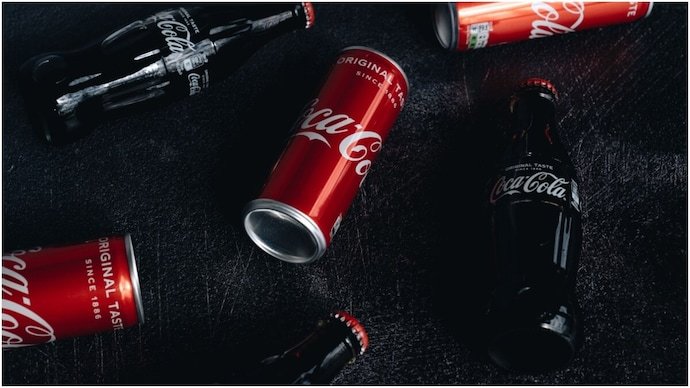
India is one of Coca-Cola’s most important growth markets, yet the global beverage giant is facing an unexpected challenge. During its latest quarterly update, the company admitted it lost market share in the country because it lacks the right products in the Rs 11–40 price segment the sweet spot where millions of Indian consumers make their daily purchasing decisions.
Unlike many developed markets where consumers often choose based on brand loyalty, Indian shoppers frequently buy beverages based on how much cash they have in hand. A customer walking into a neighborhood kirana store may simply ask for a drink that costs Rs 20 or Rs 30 rather than specifically requesting Coca-Cola, Pepsi, or another brand. Missing this critical price band can therefore translate directly into lost sales.
At the same time, Coca-Cola has been battling higher packaging costs, supply-chain disruptions, and changing consumer preferences. While the company remains optimistic about India’s long-term potential, its recent performance demonstrates how even global brands must continuously adapt to local market realities.
Why the Rs 11–40 Price Segment Matters
The Indian beverage market operates differently from many Western markets. Disposable incomes vary significantly across regions, and affordability plays a central role in purchasing decisions.
The Rs 11–40 range covers several popular purchase occasions, including:
- Students buying drinks after school or college.
- Office workers looking for an affordable refreshment.
- Travelers purchasing beverages at bus stands and railway stations.
- Families buying single-serve drinks from neighborhood shops.
- Impulse purchases at supermarkets and convenience stores.
This pricing band represents one of the highest-volume segments in India’s soft drink industry. Companies that offer attractive packaging and pricing within this range often enjoy stronger retail visibility and repeat purchases.
What Coca-Cola Said About the Market Share Loss
During the company’s earnings discussion, Coca-Cola Chief Financial Officer John Murphy acknowledged that the company currently lacks the right “pack price architecture” in the Rs 11–40 category.
In simple terms, pack price architecture refers to offering products in multiple sizes and packaging formats at prices that appeal to different consumer budgets.
Coca-Cola indicated that it is actively working on introducing more suitable packaging options and expects to gradually recover some of the lost market share.
What Is Pack Price Architecture?
Pack price architecture is a pricing strategy that matches package size with consumer spending habits.
| Pack Type | Purpose | Target Consumer |
|---|---|---|
| Small Bottle | Affordable impulse purchase | Students and daily buyers |
| Medium Bottle | Individual consumption | Working professionals |
| Large Bottle | Family sharing | Households and gatherings |
| Multi-Pack | Bulk purchase | Modern retail shoppers |
Companies continuously adjust these pack sizes to balance affordability, profitability, and consumer demand.
Why Rising Packaging Costs Hurt Coca-Cola
Pricing challenges are not solely about competition. Coca-Cola is also facing rising costs in key packaging materials.
Among the biggest cost pressures are:
- Higher aluminium prices.
- Increasing PET plastic costs.
- Transportation expenses.
- Supply-chain disruptions.
- Manufacturing and logistics costs.
When packaging becomes more expensive, beverage companies generally have three choices:
- Absorb the higher costs and accept lower profit margins.
- Increase retail prices.
- Reduce package sizes while maintaining prices.
Each option carries risks. Raising prices may discourage value-conscious consumers, while shrinking package sizes can affect customer perception.
How Global Supply Chains Affected India’s Soft Drink Market
Coca-Cola also faced supply challenges linked to aluminium can availability.
Recent geopolitical tensions affecting shipping routes increased pressure on global supply chains, making it more difficult to source packaging materials efficiently. The company has responded by sourcing larger aluminium cans from Southeast Asia to help meet demand.
This highlights how international events can eventually influence the price and availability of everyday consumer products in local markets.
India’s Beverage Market Is Becoming More Competitive
India’s carbonated soft drink market has become increasingly competitive in recent years.
Consumers today have more choices than ever before, including:
- Carbonated soft drinks.
- Fruit-based beverages.
- Packaged juices.
- Energy drinks.
- Sports beverages.
- Bottled water.
- Ready-to-drink teas and coffees.
- Traditional beverages such as buttermilk and coconut water.
This expanding product landscape means consumers can easily switch brands if they perceive better value elsewhere.
Why Price Sensitivity Is Higher in India
India remains one of the world’s most price-sensitive consumer markets.
Several factors contribute to this:
- Large rural population.
- Wide income differences.
- Strong presence of neighborhood retailers.
- Frequent impulse purchases.
- Preference for affordable daily spending.
Even a small price difference can influence buying decisions, especially in categories where competing products offer similar taste and convenience.
Comparison: Mature Markets vs India’s Beverage Market
| Factor | Mature Markets | India |
|---|---|---|
| Purchase Driver | Brand preference | Price and affordability |
| Retail Format | Supermarkets | Kirana stores and mixed retail |
| Package Importance | Convenience | Price-point driven |
| Consumer Loyalty | Relatively stable | Highly competitive |
| Growth Opportunity | Moderate | High |
Diet Coke Emerges as an Unexpected Growth Story
While Coca-Cola struggled in parts of its mainstream portfolio, one category delivered encouraging results.
According to the company, demand for Diet Coke in India has increased sharply, with expectations that sales could grow around tenfold this year from a relatively small base.
The growing popularity of low-calorie beverages reflects broader Consumer Trends:
- Increasing health awareness.
- Interest in sugar-free options.
- Urban lifestyle changes.
- Greater availability through modern retail and online platforms.
Although Diet Coke remains a niche product compared to regular soft drinks, its rapid growth suggests evolving consumer preferences in India’s urban markets.
Why India Remains Critical for Coca-Cola’s Global Strategy
Despite the recent setback, India continues to be one of Coca-Cola’s highest-priority markets.
Several structural factors support long-term demand:
- One of the world’s largest consumer populations.
- Rapid urbanization.
- Growing middle class.
- Expanding retail infrastructure.
- Rising disposable incomes over the long term.
For multinational consumer companies, even modest increases in per-capita beverage consumption can translate into significant revenue growth due to India’s population size.
What Coca-Cola Needs to Do Next
Industry observers suggest that regaining market share will likely require more than introducing new bottle sizes.
Potential focus areas include:
- Expanding affordable packaging options.
- Improving retail availability.
- Strengthening distribution in smaller cities.
- Managing packaging costs more efficiently.
- Launching localized marketing campaigns.
- Innovating across both carbonated and non-carbonated beverages.
Success in India often depends on balancing affordability with profitability something that requires constant adjustment as consumer behavior and costs evolve.
Key Consumer Insight: Value Matters More Than Bottle Size
A unique characteristic of India’s beverage market is that consumers often think in terms of budget rather than volume. Many shoppers decide how much they are willing to spend first and then select whichever beverage offers the best perceived value at that price.
This makes precise pricing and package sizing far more important than in many international markets. Companies that successfully align products with these spending habits tend to achieve stronger retail penetration and higher repeat purchases.
Future Outlook
Coca-Cola has made it clear that addressing the Rs 11–40 pricing gap is now a strategic priority. If the company successfully introduces better-priced packaging while easing supply-chain pressures, it could regain lost market share in the coming quarters.
However, competition in India’s beverage industry is unlikely to become easier. Consumer expectations continue to evolve, input costs remain volatile, and rivals are constantly introducing new products across multiple price points.
The companies that combine affordability, strong distribution, product Innovation, and efficient operations will likely be best positioned to capture future growth in one of the world’s most dynamic beverage markets.
Conclusion
Coca-Cola’s recent market share loss in India illustrates how critical pricing strategy is in a value-driven consumer Economy. The company’s admission that it lacks the right products in the Rs 11–40 segment underscores the importance of matching packaging and pricing with local purchasing behavior.
While rising packaging costs and supply-chain disruptions have added pressure, India’s long-term growth potential remains substantial. By strengthening its pack price architecture, improving affordability, and adapting to changing consumer preferences, Coca-Cola aims to rebuild its position in one of its most strategically important markets. The coming quarters will reveal whether those adjustments are enough to win back India’s price-conscious consumers.
For breaking news and live news updates, like us on Facebook or follow us on Twitter and Instagram. Read more on Latest Business on thefoxdaily.com.






COMMENTS 0