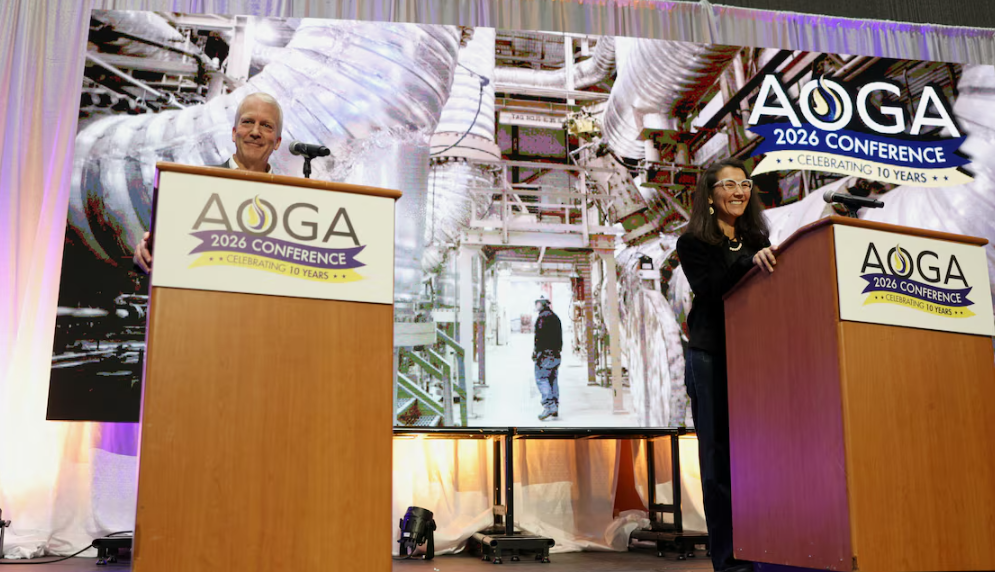
South Korea is examining potential investments in major US energy projects, including Alaska LNG, as Seoul and Washington work to finalize projects under a broader $350 billion strategic investment package.
South Korean lawmakers have emphasized that the projects should be commercially viable and provide clear benefits for Korean companies. The National Assembly is expected to closely examine the profitability, financial risks and potential economic returns associated with the investments.
South Korea Examines Alaska LNG Investment
Alaska LNG is among the projects being discussed as part of South Korea’s investment plans in the United States. The proposed development would transport natural gas from Alaska’s North Slope through a pipeline to an LNG export terminal, with the fuel intended primarily for Asian markets.
The project is estimated to require tens of billions of dollars in investment and has faced questions over financing, costs and long-term commercial viability. Reuters reported that the project is seeking additional commitments before financing arrangements can be finalized. 0
South Korean participation would potentially provide another source of funding for the project while strengthening energy links between the United States and Asian buyers.
South Korean Lawmakers Seek Profitability Review
South Korea’s National Assembly is expected to closely examine whether the proposed US investment projects can generate sufficient financial returns and provide tangible benefits for Korean businesses.
The scrutiny reflects concerns that large-scale overseas investments should not simply involve capital flowing from South Korea to US projects without creating corresponding commercial opportunities for Korean companies.
South Korean officials have previously said that projects under the investment package should have commercial justification and could help Korean companies expand their presence in the US market. 1
Japan’s LNG Buyers Sign Preliminary Agreements
Japan’s two largest LNG importers, JERA and Tokyo Gas, have signed preliminary agreements to purchase a combined 2 million metric tons of LNG per year from Alaska LNG if the project is built.
These preliminary commitments provide an indication of potential demand from major Asian energy companies. However, they do not by themselves resolve the project’s broader financing and commercial challenges.
Japan and South Korea are among the world’s major LNG-consuming economies, making reliable supplies from Alaska potentially relevant to their long-term energy strategies.
Alaska LNG Still Needs More Commitments
Glenfarne, the developer of Alaska LNG, said in March that it had secured commitments for approximately 13 million metric tons per year of LNG.
The project is targeting around 20 million metric tons of annual production capacity. Glenfarne has said it needs another 3 million tons per year of commitments to help secure financing and turn existing commitments into binding agreements.
Reuters reported that the project continues to face questions about its ability to compete with other LNG developments that may have lower production or transportation costs. 2
How Alaska LNG Fits Into South Korea’s US Investment Plan
The Alaska LNG project is one of several major US projects being discussed as Seoul and Washington work on the implementation of South Korea’s broader investment commitment.
Other projects under consideration include nuclear power developments and a gas-fired power project in Texas. Reuters has reported that the two governments have been working to determine how the strategic investment package will be allocated among specific projects. 3
South Korean officials previously identified a large gas-fired power plant in Texas as an initial project, while nuclear projects and Alaska LNG remained under further discussion. 4
Why Alaska LNG Matters to Asian Energy Markets
Alaska LNG is designed to connect US natural gas resources with major energy-consuming markets in Asia. Its location could provide a shorter Pacific route to some Asian buyers compared with LNG shipped from the US Gulf Coast.
For countries such as South Korea and Japan, LNG is an important component of electricity generation and industrial energy supply. Long-term LNG contracts can help buyers diversify their sources of natural gas and reduce dependence on individual suppliers.
However, the economics of LNG projects depend heavily on construction costs, transportation expenses, contract terms, gas prices and financing conditions. A large project can therefore remain commercially challenging even when potential buyers express interest.
US and South Korea Continue Investment Discussions
US and South Korean officials have been working on the details of the investment package following a trade agreement that lowered US tariffs on South Korean goods to 15%.
The broader package includes $350 billion in planned South Korean investment in the United States. About $150 billion is associated with shipbuilding, while the remaining strategic investment portion is being allocated among projects under discussion. 5
The implementation process requires negotiations over individual projects, investment structures and commercial conditions. South Korean officials have also emphasized that the overall investment should remain within the agreed financial limits.
Commercial Risks Remain a Central Issue
The commercial viability of Alaska LNG is one of the main issues facing potential investors. The project requires substantial infrastructure, including a long pipeline connecting Alaska’s North Slope gas resources with the proposed export terminal.
Reuters estimates the development at roughly $44.5 billion to $54.5 billion and describes an approximately 800-mile pipeline as a central part of the project. The project has also faced competition from LNG developments in other regions. 6
For South Korea, the investment decision therefore involves more than securing access to LNG. Lawmakers and officials also have to consider expected returns, financial exposure and opportunities for Korean companies to participate in construction, engineering, energy services and other parts of the supply chain.
Potential Benefits for Korean Companies
South Korean participation could create opportunities for domestic companies in sectors connected with energy infrastructure. Korean engineering, construction, equipment and energy firms could potentially participate in projects supported by the investment package.
The South Korean government has previously described the US investment program as an opportunity to expand Korean companies’ access to the American market and strengthen their international business opportunities. 7
Such opportunities could become an important consideration when lawmakers assess whether individual projects deliver benefits beyond financial returns from the investment itself.
Energy Security Is Another Consideration
Alaska LNG could also have strategic importance for South Korea and Japan because both countries rely heavily on imported energy.
Additional long-term LNG supplies from the United States could diversify procurement options for Asian buyers. The preliminary agreements involving JERA and Tokyo Gas demonstrate that Japanese companies are also evaluating the potential role of Alaska LNG in their future supply portfolios.
For South Korea, participation could similarly strengthen its relationship with a major LNG-producing country while supporting greater diversification of energy supplies.
Project Financing Remains Critical
Securing sufficient binding purchase commitments is important for a project of Alaska LNG’s size because lenders and investors need greater certainty about future revenues before committing large amounts of capital.
Glenfarne’s reported target of obtaining additional commitments reflects this financing challenge. The combination of buyer agreements, project costs and financing conditions will influence whether the development can move toward a final investment decision.
The project’s ability to convert preliminary interest into binding agreements will therefore remain an important milestone for investors and participating governments.
What Happens Next
The next stage will involve continued negotiations between US and South Korean officials over the projects included in the investment package. Any final arrangement involving Alaska LNG would need to address the project’s commercial structure, financing requirements and the participation of Korean companies.
South Korean lawmakers are also expected to examine the proposed investments as part of parliamentary oversight. The focus on profitability indicates that Seoul is seeking to balance its broader trade and strategic relationship with Washington against the financial interests of Korean taxpayers, investors and companies.
For Alaska LNG, additional LNG purchase commitments and financing arrangements will remain key factors in determining whether the long-discussed project can progress toward construction.
Key Points
- South Korea is considering Alaska LNG as part of its broader US investment package.
- JERA and Tokyo Gas have preliminary agreements to purchase 2 million metric tons of LNG annually if the project is built.
- Glenfarne says Alaska LNG has commitments for about 13 million tons per year but needs additional commitments to support financing.
- South Korean lawmakers are examining the profitability and potential benefits of proposed US investments for Korean companies.
Frequently Asked Questions
What is Alaska LNG?
Alaska LNG is a proposed project to transport natural gas from Alaska’s North Slope through a long pipeline to an LNG export facility for shipment to Asian and other international markets.
How much is South Korea planning to invest in the United States?
South Korea has committed to a broader $350 billion US investment package under its trade agreement with Washington, with specific projects still being finalized.
How much LNG could Alaska LNG produce?
The project is targeting approximately 20 million metric tons of LNG production capacity per year.
How much LNG have buyers committed to so far?
Glenfarne said in March that it had lined up commitments for about 13 million metric tons per year, although additional commitments are needed to support financing and make arrangements binding.
Which Japanese companies have agreed to buy Alaska LNG?
Japan’s JERA and Tokyo Gas have signed preliminary agreements to purchase a combined 2 million metric tons of LNG per year if the project is developed.
What other US projects is South Korea considering?
Projects under discussion include nuclear power developments and a gas-fired power project in Texas, in addition to Alaska LNG.
Why are South Korean lawmakers reviewing the investments?
Lawmakers are examining whether the projects are commercially viable, financially sound and capable of generating meaningful benefits for South Korean companies.
What is the main challenge facing Alaska LNG?
The project faces major financing and commercial challenges because of its large construction cost, the need for additional binding LNG purchase commitments and competition from other LNG projects.
“`8
For breaking news and live news updates, like us on Facebook or follow us on Twitter and Instagram. Read more on Latest Business on thefoxdaily.com.






COMMENTS 0