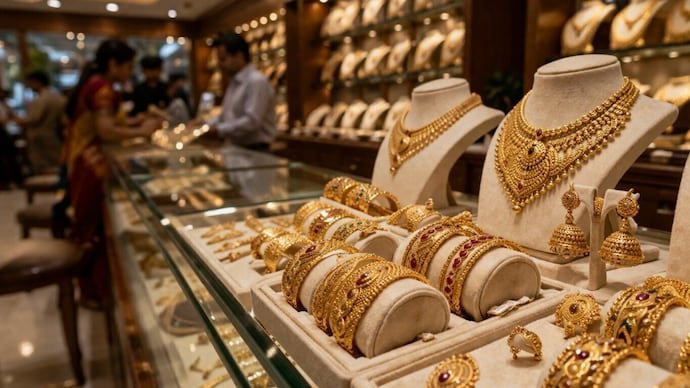
Gold prices in India continued their upward momentum on July 21, 2026, reflecting stronger international bullion prices and renewed investor demand for safe-haven assets. According to the latest market rates, 24-carat gold is priced at Rs 14,422 per gram, 22-carat gold at Rs 13,220 per gram, and 18-carat gold at Rs 10,816 per gram.
The increase comes after another volatile trading session in global commodity markets where geopolitical uncertainty, currency movements, and expectations surrounding central bank policies influenced precious metal prices. While gold remains a preferred Investment during uncertain times, domestic prices also depend on import duties, GST, the rupee-dollar exchange rate, and local demand.
Whether you’re planning to purchase jewellery for an upcoming wedding, diversify your investment portfolio, or simply track bullion prices, understanding the reasons behind daily price movements can help you make better financial decisions.
Gold Rate Today in India (July 21, 2026)
| Gold Purity | Price Per Gram | Daily Change |
|---|---|---|
| 24 Carat Gold | Rs 14,422 | + Rs 76 |
| 22 Carat Gold | Rs 13,220 | + Rs 70 |
| 18 Carat Gold | Rs 10,816 | + Rs 57 |
The latest rise indicates that investors continue to favour gold amid persistent uncertainty in international markets. Even relatively small daily changes can significantly affect jewellery purchases, especially for larger quantities.
City-Wise Gold Prices Today
| City | 24K Gold | 22K Gold | 18K Gold |
|---|---|---|---|
| Chennai | Rs 14,347 | Rs 13,151 | Rs 10,966 |
| Mumbai | Rs 14,422 | Rs 13,220 | Rs 10,816 |
| Delhi | Rs 14,437 | Rs 13,235 | Rs 10,831 |
| Kolkata | Rs 14,422 | Rs 13,220 | Rs 10,816 |
| Bangalore | Rs 14,422 | Rs 13,220 | Rs 10,816 |
| Hyderabad | Rs 14,422 | Rs 13,220 | Rs 10,816 |
| Pune | Rs 14,422 | Rs 13,220 | Rs 10,816 |
| Vadodara | Rs 14,427 | Rs 13,225 | Rs 10,821 |
| Ahmedabad | Rs 14,427 | Rs 13,225 | Rs 10,821 |
Minor price differences between cities occur because of transportation costs, local taxes, dealer premiums, and regional demand for gold jewellery.
Why Are Gold Prices Rising Today?
Gold prices rarely move because of a single event. Instead, several domestic and global factors combine to determine daily rates.
1. Geopolitical Uncertainty
Fresh developments in the Middle East have once again increased investor demand for safe-haven assets. Escalating military activity involving the United States and Iran, continued instability around the Strait of Hormuz, and broader regional tensions have pushed traders toward gold.
Historically, whenever geopolitical conflicts threaten global trade or energy supplies, investors shift capital from riskier assets into precious metals.
2. Global Gold Prices
Indian gold prices closely follow international bullion markets. Any increase in global spot gold prices is generally reflected in domestic markets after accounting for currency movements and import-related charges.
International investors continue monitoring Inflation trends, central bank policies, and economic growth forecasts, all of which directly influence bullion prices.
3. Rupee-Dollar Exchange Rate
India imports most of its gold. A weaker Indian rupee makes imported gold more expensive, increasing domestic prices even if international gold prices remain stable.
Conversely, a stronger rupee can help moderate price increases.
4. Domestic Demand
India remains one of the world’s largest consumers of gold. Seasonal demand during weddings, festivals, and religious celebrations often pushes prices higher as jewellers replenish inventories.
Understanding 24K, 22K and 18K Gold
| Purity | Gold Content | Common Uses |
|---|---|---|
| 24 Carat | 99.9% Pure | Investment bars, coins |
| 22 Carat | 91.6% Pure | Traditional jewellery |
| 18 Carat | 75% Pure | Diamond jewellery, designer ornaments |
While 24-carat gold offers the highest purity, it is relatively soft and therefore less suitable for intricate jewellery. Most Indian jewellery is crafted using 22-carat gold because it provides an ideal balance between purity and durability.
Government Policies Continue to Influence Prices
Government Policy remains one of the biggest domestic influences on gold prices. Import duties, Goods and Services Tax (GST), and customs regulations directly affect retail pricing.
Although higher customs duties generally increase the cost of imported gold, international market movements sometimes offset these increases. In recent months, easing global concerns temporarily softened prices before geopolitical risks triggered another rally.
Investors should therefore monitor both domestic policy announcements and international market developments instead of focusing on only one factor.
How International Events Affect India’s Gold Market
The Middle East remains one of the world’s most strategically important regions because it controls major energy shipping routes. Any disruption to oil exports can increase inflation expectations globally.
Higher inflation often encourages investors to buy gold because it has historically preserved purchasing power during periods of rising prices.
Financial markets also react to:
- Military conflicts
- Trade disputes
- Central bank interest-rate decisions
- Global inflation data
- Economic slowdown fears
- Currency fluctuations
When uncertainty rises, gold frequently benefits from increased investment demand.
Should You Buy Gold Now?
Whether now is the right time to buy depends largely on your financial objectives.
For Jewellery Buyers
If you’re purchasing jewellery for a wedding or festival, waiting for perfect prices may not always be practical. Daily fluctuations are common, and prices can reverse quickly depending on global developments.
For Long-Term Investors
Gold has historically served as a portfolio diversifier rather than a high-growth investment. Financial planners generally recommend allocating only a limited percentage of a diversified investment portfolio to gold for risk management purposes.
For Short-Term Traders
Short-term movements can remain volatile as markets react to geopolitical headlines, inflation reports, and central bank announcements.
Gold vs Other Investment Options
| Investment | Risk Level | Potential Return | Liquidity |
|---|---|---|---|
| Gold | Low to Moderate | Moderate | High |
| Equities | High | High | High |
| Fixed Deposits | Low | Stable | Moderate |
| Government Bonds | Low | Moderate | Moderate |
Unlike equities, gold generally performs well during periods of financial uncertainty. However, it should be viewed as part of a diversified Investment Strategy rather than a replacement for other asset classes.
Expert Insight: Why Gold Remains a Strategic Asset
One overlooked aspect of gold investing is its role as a financial hedge rather than merely a commodity. Central banks around the world continue to maintain substantial gold reserves as part of their foreign exchange management strategies, reflecting the metal’s long-term importance in global finance.
For individual investors, gold provides diversification benefits because its price often behaves differently from stocks and other financial assets during periods of market stress.
Digital investment options such as Sovereign Gold Bonds (when available), Gold ETFs, and digital gold have also expanded access for investors WHO prefer avoiding storage and insurance costs associated with physical gold.
Gold Price Outlook
Looking ahead, gold prices are expected to remain sensitive to geopolitical developments, inflation trends, interest-rate decisions by major central banks, and currency fluctuations.
If global uncertainty persists or inflation remains elevated, bullion could continue attracting investment demand. On the other hand, easing geopolitical tensions or stronger economic data may temporarily reduce safe-haven buying.
Domestic demand during India’s festive and wedding seasons could also provide additional support to retail prices over the coming months.
Conclusion
Gold prices in India on July 21, 2026 recorded another upward move, with 24-carat gold at Rs 14,422 per gram, 22-carat gold at Rs 13,220 per gram, and 18-carat gold at Rs 10,816 per gram. The latest increase reflects a combination of global geopolitical uncertainty, international bullion trends, currency movements, and domestic demand.
For buyers, today’s prices highlight the importance of monitoring both local and international developments before making purchasing decisions. While short-term volatility is likely to continue, gold remains one of the world’s most trusted stores of value, offering stability during periods of economic and geopolitical uncertainty. Whether purchasing jewellery or investing for the long term, staying informed about market drivers can help consumers make smarter financial choices.
For breaking news and live news updates, like us on Facebook or follow us on Twitter and Instagram. Read more on Latest Business on thefoxdaily.com.


COMMENTS 0