India’s economy may appear strong on the surface.
Growth remains among the fastest in the world. Banks are healthier than they were a decade ago. Infrastructure spending continues to rise. Consumer demand has remained resilient despite global uncertainty.
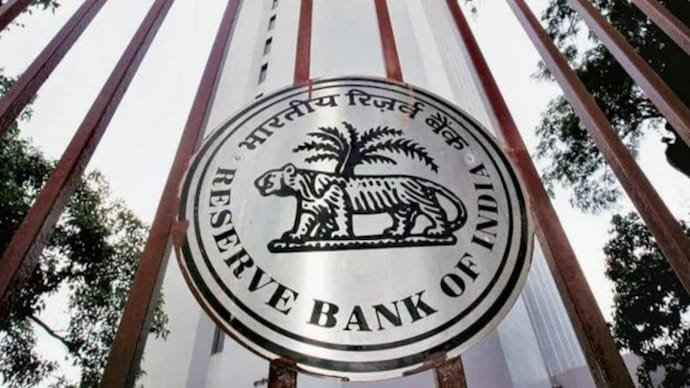
But buried beneath the optimism in the Reserve Bank of India’s latest annual report is a serious warning: India’s economic future is now deeply tied to global instability.
A war in West Asia, disruptions in global shipping routes, volatile crude oil prices, rising protectionism and slowing world trade could all directly impact Indian households, businesses and investors.
The RBI’s assessment reflects a major shift in how India’s economic risks are evolving. Earlier, the country’s biggest concerns were largely domestic inflation spikes, weak banking systems, policy paralysis or fiscal stress. Today, many of the most serious threats originate thousands of kilometres away.
That changing reality defines the next phase of India’s economic story.
Why the RBI’s Latest Warning Matters
The Reserve Bank of India is usually cautious with its language.
Central banks rarely use dramatic wording unless risks are genuinely significant. That is why the RBI’s statement that geopolitical tensions have “re-emerged as the dominant drag on global growth” deserves close attention.
The warning comes at a time when global economic uncertainty is intensifying.
Conflicts in West Asia have disrupted Energy Markets, trade routes and investor confidence. At the same time, slowing growth in major economies, rising global debt and fragmented international trade relationships are increasing pressure on emerging economies like India.
While India remains relatively strong compared to many countries, the RBI’s report makes one thing clear: no large economy can remain insulated from global shocks forever.
How a War Far Away Can Affect Everyday Life in India
For many Indians, geopolitical conflicts often feel distant and disconnected from daily life.
But the modern Global Economy does not work that way anymore.
India imports more than 85% of its crude oil requirements. That dependence makes the country highly sensitive to disruptions in oil-producing regions.
When Conflict escalates in West Asia, oil prices typically surge because markets fear supply disruptions.
That creates a chain reaction across India’s economy.
| Global Event | Impact on India |
|---|---|
| Oil supply disruption | Higher petrol and diesel prices |
| Higher crude prices | Rising transportation costs |
| Costlier logistics | More expensive food and goods |
| Global uncertainty | Stock market volatility |
| Shipping disruptions | Delayed imports and higher manufacturing costs |
In practical terms, a geopolitical crisis abroad can eventually increase:
- Fuel prices
- Airfares
- Food inflation
- Electricity costs
- Transportation expenses
- Manufacturing input prices
That is precisely why the RBI is paying such close attention to developments outside India.
Oil Prices Remain India’s Biggest External Vulnerability
Despite years of economic diversification, oil still remains one of India’s biggest structural weaknesses.
India is the world’s third-largest crude oil importer, meaning sustained increases in oil prices can quickly affect inflation and economic stability.
The RBI’s report specifically warns that energy prices could create upside risks for inflation.
That concern matters because inflation directly affects both households and policymakers.
When inflation rises sharply:
- Consumers spend less
- Household savings weaken
- Interest rates may remain high
- Business investments slow
- Economic growth can moderate
India has spent years stabilising inflation through tighter monetary policy and improved supply management.
But imported inflation caused by expensive oil is much harder for domestic policymakers to control.
In many ways, crude oil still acts like an invisible tax on the Indian economy.
The Shipping Route Problem Most People Ignore
One of the more overlooked risks highlighted by the RBI involves global shipping routes.
This may sound technical, but it has become critically important in today’s interconnected economy.
Modern supply chains depend heavily on smooth maritime trade.
India imports:
- Electronic components
- Industrial machinery
- Chemicals
- Energy products
- Fertilisers
- Technology equipment
If shipping lanes become disrupted due to war, piracy or geopolitical instability, transportation costs rise sharply.
The consequences eventually spread through the economy.
The world already witnessed this during:
- The Covid-19 pandemic
- The Red Sea shipping crisis
- The Russia-Ukraine war
Container shortages, delayed deliveries and expensive freight rates pushed up prices globally.
The RBI now appears concerned that similar disruptions could re-emerge if geopolitical conflicts intensify further.
Why Global Trade Slowdown Is a Serious Concern for India
India’s economy is no longer driven only by domestic demand.
Exports now play a far larger role than they did two decades ago.
India has been aggressively positioning itself as:
- A manufacturing alternative to China
- A global technology hub
- A pharmaceutical export powerhouse
- A major digital services provider
That strategy depends heavily on healthy global trade.
However, the RBI warns that protectionism and trade uncertainty could hurt world commerce.
This matters because slower global growth usually weakens demand for exports.
Sectors that could face pressure include:
- Information technology services
- Engineering goods
- Textiles
- Auto components
- Chemicals
- Pharmaceutical exports
Even if India’s domestic economy remains relatively stable, weak external demand can still slow industrial growth and job creation.
The Hidden Market Risk RBI Is Signalling
The RBI’s report also quietly flags another important concern: financial market valuations.
Over the past few years, Indian equity markets have witnessed enormous investor enthusiasm, particularly in technology and growth-oriented sectors.
But global uncertainty can quickly change investor sentiment.
When risk rises globally, international investors often move money away from emerging markets and toward safer assets like US government bonds.
This creates:
- Stock market volatility
- Foreign investment outflows
- Currency pressure
- Liquidity tightening
The RBI specifically noted that elevated valuations in certain sectors could face reassessment.
That is central-bank language for warning investors that markets may not continue rising indefinitely if global risks intensify.
Why India Is Still Better Positioned Than Many Economies
Despite its concerns, the RBI remains broadly optimistic about India’s medium-term outlook.
And there are solid reasons for that confidence.
1. Strong Banking Sector
Indian banks today are significantly healthier than during the bad-loan crisis of the previous decade.
Non-performing assets have declined substantially, profitability has improved and capital buffers remain stronger.
2. Infrastructure Push
The government’s large-scale infrastructure spending continues to support economic activity.
Roads, railways, logistics corridors, airports and digital infrastructure are expanding rapidly.
3. Resilient Domestic Consumption
India’s large population and expanding middle class continue to drive domestic demand.
That provides some insulation against external slowdowns.
4. Corporate Balance Sheets Have Improved
Many Indian companies have reduced debt and strengthened financial positions after years of deleveraging.
5. Strategic Trade Agreements
India has increasingly focused on bilateral trade agreements to diversify export opportunities and reduce dependence on single markets.
These structural strengths explain why India is still expected to remain one of the fastest-growing major economies globally.
The Bigger Shift: India Is Becoming a Truly Global Economy
The most important takeaway from the RBI’s report may not be any specific warning.
It is the broader reality that India’s economy has entered a new phase of global integration.
That transformation brings enormous opportunities:
- Higher foreign investment
- Manufacturing expansion
- Export growth
- Technology leadership
- Global supply-chain integration
But integration also means vulnerability to global instability.
India can no longer think of external shocks as distant events.
Wars, trade disputes, shipping disruptions and financial volatility abroad increasingly have direct domestic consequences.
That is the price of becoming a major global economic power.
What Could Happen Next?
Several possible scenarios could shape India’s economic outlook over the next 12 to 24 months.
| Scenario | Possible Impact on India |
|---|---|
| Oil prices stabilise | Lower inflation pressure |
| West Asia conflict escalates | Higher fuel costs and market volatility |
| Global trade recovery | Export growth accelerates |
| Global recession fears intensify | Foreign investment outflows increase |
| Supply chains normalise | Manufacturing costs improve |
Much will depend on geopolitical developments that remain difficult to predict.
That uncertainty itself is now one of the biggest risks.
Conclusion
The RBI’s latest annual report offers both reassurance and warning.
On one hand, India’s economy remains fundamentally strong. Banks are healthier, infrastructure investment is robust and domestic demand continues to support growth.
On the other hand, the report makes it clear that India’s future can no longer be separated from global developments.
A conflict in West Asia can influence inflation in Indian cities. A disruption in shipping routes can affect manufacturing costs. A shift in global investor sentiment can move domestic markets within hours.
India’s rise as a global economic power has increased both its resilience and its exposure.
The RBI’s message is ultimately simple but important: India is stronger than before, but it is also more interconnected than ever.
And in today’s world, economic stability depends not only on what happens within a country’s borders, but increasingly on what happens beyond them.
For breaking news and live news updates, like us on Facebook or follow us on Twitter and Instagram. Read more on Latest Business on thefoxdaily.com.






COMMENTS 0