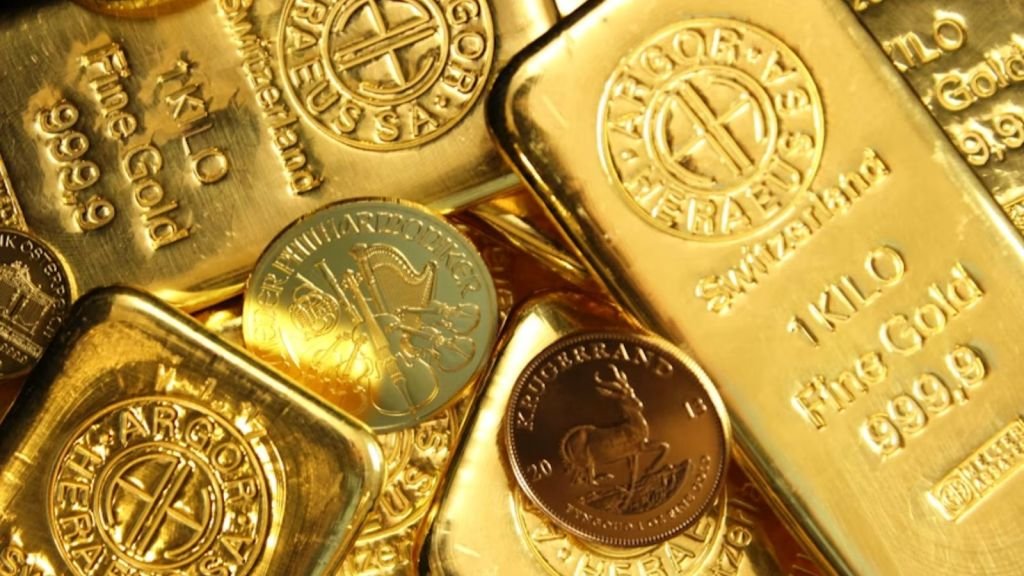
Gold prices in India moved higher on Wednesday, August 12, 2026, with all three commonly tracked purity levels recording gains compared with the previous day’s rates. According to the rates provided by Good Returns, the price of 24-carat gold stood at Rs 15,486 per gram, while 22-carat gold was priced at Rs 14,195 per gram and 18-carat gold at Rs 11,614 per gram.
The latest movement comes as precious-metal markets continue to respond to international geopolitical developments, particularly renewed uncertainty surrounding tensions in West Asia. Gold is closely watched during periods of market stress because investors often turn toward Precious Metals when uncertainty rises across financial and Energy Markets.
Compared with August 11, the 24-carat gold rate increased by Rs 104 per gram. The 22-carat rate gained Rs 95 per gram, while 18-carat gold rose by Rs 77 per gram.
Gold Rate Today in India: 18K, 22K and 24K prices
The latest rates show a clear difference between gold purities. Twenty-four-carat gold represents the highest purity among the three categories listed, while 22-carat gold contains a smaller proportion of pure gold and is widely associated with jewellery. Eighteen-carat gold contains a still lower proportion of pure gold and is commonly used for jewellery that combines gold with other metals.
| Gold Purity | Price Per Gram Today | Change From August 11 |
|---|---|---|
| 24 Carat | Rs 15,486 | Up Rs 104 |
| 22 Carat | Rs 14,195 | Up Rs 95 |
| 18 Carat | Rs 11,614 | Up Rs 77 |
The figures indicate that the day’s movement was positive across all three purity categories rather than being limited to a single segment of the gold market.
Gold Price Today in Major Indian Cities
Gold rates can vary slightly between cities. The supplied rates show Chennai and Delhi quoting somewhat higher prices for certain purities, while Mumbai, Kolkata, Bangalore, Hyderabad and Pune share the same quoted rates across the three categories.
| City | 24K Gold Per Gram | 22K Gold Per Gram | 18K Gold Per Gram |
|---|---|---|---|
| Chennai | Rs 15,491 | Rs 14,200 | Rs 11,980 |
| Mumbai | Rs 15,486 | Rs 14,195 | Rs 11,614 |
| Delhi | Rs 15,501 | Rs 14,210 | Rs 11,629 |
| Kolkata | Rs 15,486 | Rs 14,195 | Rs 11,614 |
| Bangalore | Rs 15,486 | Rs 14,195 | Rs 11,614 |
| Hyderabad | Rs 15,486 | Rs 14,195 | Rs 11,614 |
| Pune | Rs 15,486 | Rs 14,195 | Rs 11,614 |
| Vadodara | Rs 15,491 | Rs 14,200 | Rs 11,619 |
| Ahmedabad | Rs 15,491 | Rs 14,200 | Rs 11,619 |
Delhi records the highest 24-carat rate among listed cities
Among the cities included in the supplied data, Delhi has the highest quoted 24-carat gold price at Rs 15,501 per gram. Chennai, Vadodara and Ahmedabad follow at Rs 15,491 per gram.
Mumbai, Kolkata, Bangalore, Hyderabad and Pune are listed at Rs 15,486 per gram for 24-carat gold.
The difference between cities is relatively small in the supplied rates, but buyers should still check the applicable local price before making a purchase. The final amount paid for jewellery can also differ from a quoted raw gold rate because jewellery transactions may involve additional charges.
Why gold prices are moving higher
The latest increase comes against a backdrop of continuing uncertainty in international markets. The supplied market update points to renewed tensions in West Asia as one factor contributing to volatility in precious metals.
Gold prices are influenced by several factors at the same time. International gold prices, currency movements, import-related costs and changes in investor demand can all affect domestic rates. When global uncertainty increases, movements in financial and commodity markets can become more pronounced.
The source material also notes that gold and silver prices had experienced a short decline when international panic eased, despite high 15 per cent tax rates. The subsequent rise in geopolitical uncertainty has again kept precious-metal prices fluctuating.
West Asia tensions remain a key market factor
The latest movement in gold comes as tensions in West Asia remain an important consideration for global markets.
US President Donald Trump reportedly downplayed the ongoing tensions involving Iran during remarks to Al Jazeera reporters at Joint Base Andrews, saying conditions were “going fine” and that the US military maintained command over the Strait of Hormuz.
At the same time, the supplied material reports that US forces disabled a Panama-registered cargo ship heading toward an Iranian harbour after the vessel allegedly failed to respond to warnings. Two Hellfire missiles were reportedly used against the ship’s steering gear.
The source also reports that an official from the Kurdish Peshmerga said Iranian forces launched multiple drones and missiles into Erbil province’s Alana Valley, targeting locations associated with the Komala Party and the Kurdistan Democratic Party of Iran.
These developments illustrate why geopolitical risk remains relevant to commodity markets. Any disruption involving major energy routes can have consequences well beyond the countries directly involved.
Oil prices add another layer of market uncertainty
Crude oil prices have also remained elevated, according to the supplied market information. Brent crude was quoted at around $87.80 per barrel, while West Texas Intermediate, or WTI, stood at approximately $82.22 per barrel.
Energy prices and gold do not necessarily move in lockstep, but geopolitical developments can affect both markets simultaneously. Concerns about supply routes, military escalation and the security of major shipping corridors can influence investor expectations across commodities.
For India, movements in international commodity markets can have additional implications because domestic prices are affected by global prices as well as currency movements and import-related factors.
How geopolitical uncertainty can affect gold
Gold is often viewed by investors as a defensive or safe-haven asset during periods of uncertainty. The reasoning is relatively straightforward: when confidence in riskier assets becomes unsettled, some investors seek assets that they believe can preserve value during turbulent periods.
That does not mean gold prices rise every time geopolitical tensions increase. Gold remains influenced by interest rates, currencies, investor positioning and broader financial-market conditions.
However, heightened uncertainty can increase attention toward precious metals, particularly when it occurs alongside volatility in energy markets and international trade routes.
The current situation therefore needs to be viewed as part of a wider market picture rather than as a single-event explanation for the movement in Indian gold prices.
What the latest gold rates mean for jewellery buyers
For consumers planning to buy jewellery, the quoted per-gram rate is an important starting point but should not automatically be treated as the final purchase price.
The purity of the gold is one of the first factors to consider. A 24-carat rate is not directly comparable with the price of a 22-carat or 18-carat jewellery item because the gold content differs.
Jewellery buyers should also compare the rate quoted by the jeweller with the prevailing city rate and check how additional charges are calculated before completing a purchase.
The distinction between gold purity levels is particularly important for consumers comparing advertisements or jewellery prices. Two pieces with the same weight can have different gold values if they are made from different purity levels.
24K vs 22K vs 18K gold: What is the difference?
24-carat gold represents the highest purity category listed in the supplied data and is generally associated with gold that has very little alloy content.
22-carat gold has a lower gold purity than 24K and is commonly used for jewellery because the addition of other metals makes the material more suitable for everyday use.
18-carat gold contains a greater proportion of alloying metals than 22K gold. This can allow jewellery makers to produce pieces with different characteristics, including designs that require greater material hardness.
Therefore, a lower per-gram price does not necessarily mean that one purity is universally better than another. The appropriate choice depends on the purpose of the purchase and the buyer’s preference.
Gold price trends can change quickly
The Rs 104 increase in the 24-carat rate between August 11 and August 12 demonstrates how quickly quoted gold prices can change.
Domestic rates can respond to international developments, meaning the price displayed on one day should not automatically be assumed to remain unchanged the next day.
This is especially relevant in periods of heightened geopolitical uncertainty. Investors may react rapidly to developments involving military activity, energy supplies, shipping routes or diplomatic negotiations.
The supplied market update says geopolitical strain had temporarily eased after an unexpected 60-day agreement between the United States and Iran in mid-June 2026. It further states that continued strikes and threats to shipping corridors subsequently undermined the fragile arrangement and contributed to renewed market volatility.
Against this background, gold prices can remain sensitive to headlines because financial markets continuously reassess the potential economic consequences of geopolitical developments.
What could influence gold prices next?
The next direction of gold prices will depend on a combination of international and domestic factors. The immediate focus is likely to remain on developments in West Asia, particularly any changes that affect energy markets or major shipping routes.
Currency movements can also influence domestic gold prices. Because gold is traded internationally, changes in the value of the Indian rupee against major currencies can affect the domestic equivalent of global gold prices.
Import-related costs and local market conditions can also contribute to differences between quoted rates in different cities.
For consumers, this means that a single day’s increase or decrease should be considered in the context of a broader trend rather than treated as a guaranteed indication of what prices will do next.
Gold Rate Today, August 12: Key takeaways
- 24-carat gold: Rs 15,486 per gram in the India rate provided, up Rs 104 from August 11.
- 22-carat gold: Rs 14,195 per gram, up Rs 95.
- 18-carat gold: Rs 11,614 per gram, up Rs 77.
- Highest listed 24K city rate: Delhi at Rs 15,501 per gram.
- Chennai 24K rate: Rs 15,491 per gram.
- Mumbai 24K rate: Rs 15,486 per gram.
- West Asia: Renewed geopolitical uncertainty remains an important backdrop for precious-metal markets.
- Oil: Brent crude was quoted around $87.80 per barrel and WTI around $82.22 per barrel in the supplied market update.
Gold prices remain sensitive to global uncertainty
Gold prices in India moved higher on August 12, with 24-carat gold reaching Rs 15,486 per gram and corresponding gains recorded in 22-carat and 18-carat rates.
The city-wise figures show relatively modest differences across the markets listed, with Delhi recording the highest 24-carat rate in the supplied data. Chennai, Vadodara and Ahmedabad also stood above the rates quoted for Mumbai, Kolkata, Bangalore, Hyderabad and Pune.
The broader market backdrop remains unsettled. Renewed tensions in West Asia, elevated crude prices and uncertainty surrounding shipping routes are contributing to an environment in which precious-metal prices can fluctuate rapidly.
For buyers, the most useful approach is to distinguish between purity, quoted market rate and the final jewellery cost. For investors and market watchers, the larger picture is equally important: gold prices are being shaped not only by domestic demand but also by international developments, currency movements and commodity-market conditions.
As of August 12, the supplied rates show gold moving higher across 18K, 22K and 24K categories. Whether that momentum continues will depend on how global geopolitical and financial conditions evolve in the days ahead.
For breaking news and live news updates, like us on Facebook or follow us on Twitter and Instagram. Read more on Latest Business on thefoxdaily.com.






COMMENTS 0