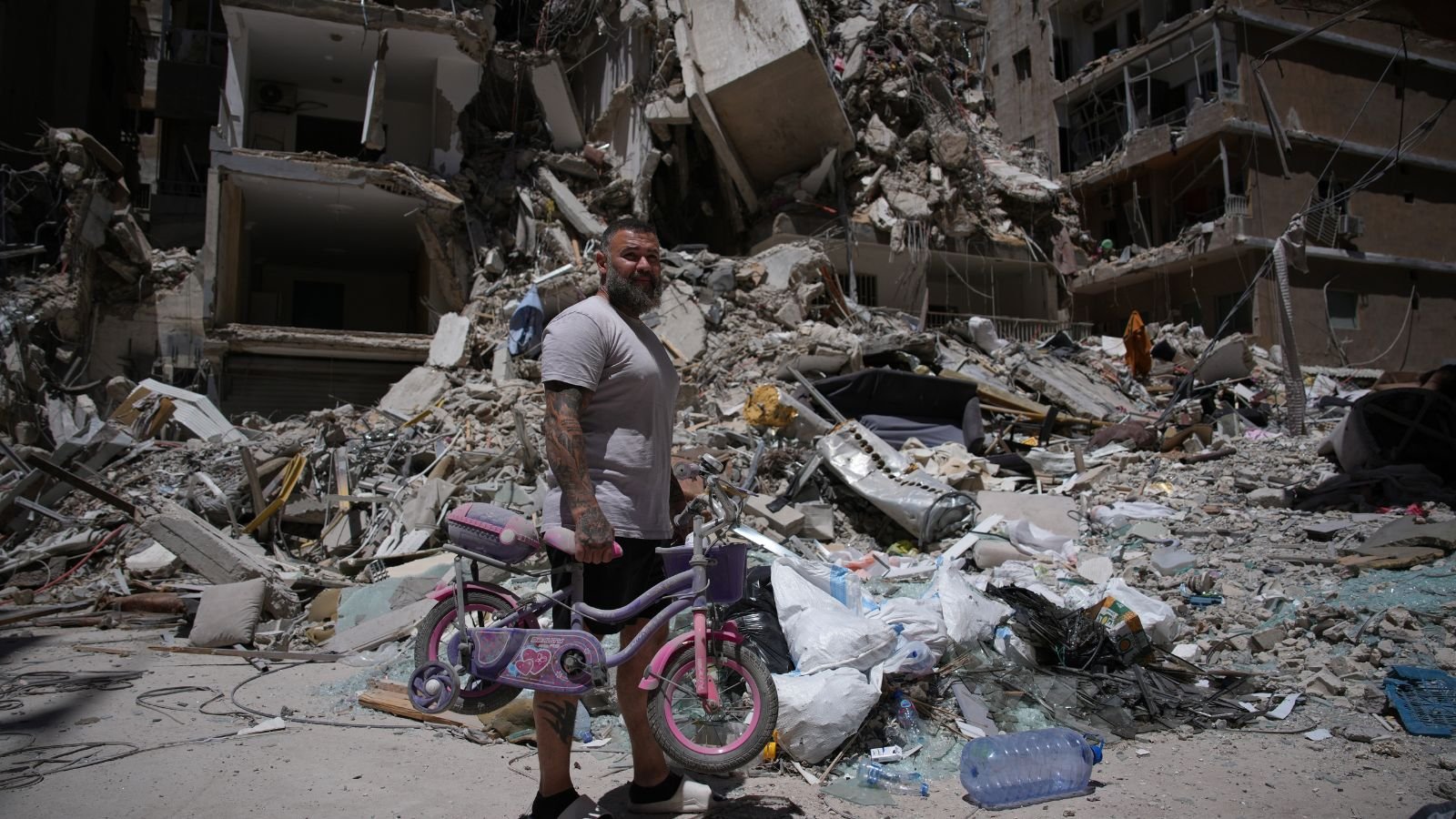
The guns may have fallen silent after the United States and Iran signed a preliminary peace agreement, but the costs of the Iran War continue to grow. More than 15 weeks of military conflict involving Iran, the United States, Israel, and regional actors have left thousands dead, damaged critical infrastructure, disrupted global energy markets, and imposed economic burdens reaching hundreds of billions of dollars.
Although diplomatic efforts have produced a temporary ceasefire and a framework for further negotiations, the aftermath of the conflict highlights a recurring reality of modern warfare: wars rarely end when the fighting stops. The financial liabilities, humanitarian suffering, reconstruction costs, and economic ripple effects often continue for years, sometimes decades.
The Iran conflict has become a textbook example of how a regional war can rapidly evolve into a global economic event. From rising fuel prices in the United States and Europe to food inflation in developing nations and supply chain disruptions across Asia, the impact has extended far beyond the battlefield.
Understanding the Iran War: Who, What, When, Where, Why, and How
The conflict began on February 28 when military operations involving the United States and Israel targeted Iranian assets. What followed was a multi-front confrontation involving missile strikes, attacks on strategic infrastructure, disruptions to maritime trade routes, and escalating tensions across the Middle East.
The war affected multiple countries directly and indirectly, including Iran, Israel, Lebanon, Gulf nations, and global powers dependent on Middle Eastern energy exports.
The conflict’s strategic significance was amplified by its impact on the Strait of Hormuz, one of the world’s most important energy corridors. The disruption of shipping routes and oil exports quickly transformed a regional military conflict into a global economic challenge.
The preliminary peace agreement signed this week may have stopped active hostilities, but it has not eliminated the long-term consequences.
The Human Cost: Thousands of Lives Lost
The most devastating consequence of the conflict has been the loss of human life.
Reports indicate that more than 3,000 Iranians were killed during the war, while dozens of Israelis also lost their lives. Thousands more were injured, many of whom will require long-term medical treatment and rehabilitation.
The conflict expanded beyond Iran and Israel. Fighting in Lebanon intensified as regional tensions escalated, resulting in thousands of additional casualties.
Military personnel from multiple nations were also affected. Several members of the US military lost their lives, while civilians working in commercial shipping and Logistics operations became unintended victims of attacks throughout the region.
Modern conflicts increasingly demonstrate that civilian populations often bear the greatest burden. Schools, hospitals, residential neighborhoods, transportation infrastructure, and public services become vulnerable during prolonged military operations.
The humanitarian consequences often continue long after peace agreements are signed.
Infrastructure Damage: The Hidden Economic Disaster
While casualty figures dominate headlines, infrastructure destruction frequently becomes the most expensive legacy of war.
Reports indicate that hundreds of schools, healthcare facilities, public buildings, and essential services were damaged or destroyed during the conflict. These facilities are not merely physical structures; they form the backbone of economic productivity and social stability.
Rebuilding damaged infrastructure requires substantial financial resources, engineering expertise, imported materials, and years of planning.
For Iran, already struggling under economic pressures before the conflict, reconstruction presents an enormous challenge.
Infrastructure damage also creates secondary economic losses. When hospitals are damaged, healthcare outcomes deteriorate. When schools close, educational progress slows. When transportation networks are disrupted, business activity suffers.
Iran’s Economy: From Crisis to Economic Free Fall
Iran entered the conflict with significant economic vulnerabilities.
Years of sanctions, currency instability, inflationary pressures, and investment challenges had already weakened economic growth. The war intensified these existing problems and accelerated economic deterioration.
Several key challenges now face Iran:
- Rapid inflation in food and essential goods.
- Damage to industrial and energy infrastructure.
- Reduced investor confidence.
- Pressure on government finances.
- Currency instability.
- Rising reconstruction expenses.
Economic recovery after war is rarely straightforward. Governments must balance rebuilding infrastructure, supporting affected populations, stabilizing Financial Markets, and restoring investor confidence simultaneously.
For Iran, achieving all these objectives will likely require years rather than months.
The Financial Cost to the United States
Wars impose costs not only on countries where battles occur but also on nations conducting military operations.
Economic estimates suggest the overall cost to the United States could exceed $130 billion when military expenditures, energy price increases, commodity inflation, and broader economic impacts are combined.
The direct military cost alone has reached tens of billions of dollars.
These expenditures include:
- Combat operations.
- Missile Defense systems.
- Aircraft carrier deployments.
- Military logistics.
- intelligence operations.
- Equipment replacement and maintenance.
Additional costs emerge after hostilities end. Damaged military bases require repairs. Equipment must be replaced or upgraded. Personnel support programs continue. Long-term veteran care expenses can extend for decades.
History shows that the full financial cost of military conflicts is often calculated years after the fighting stops.
Why Modern Wars Are Becoming More Expensive
Military technology has advanced dramatically, but so have costs.
Modern precision-guided missiles, advanced fighter aircraft, drone systems, cybersecurity operations, and intelligence networks require enormous financial investments.
Unlike earlier conflicts where manpower represented the largest expense, today’s wars rely heavily on expensive technology.
| Cost Category | Impact of Modern Warfare |
|---|---|
| Missile Systems | Billions in procurement and deployment |
| Aircraft Operations | High maintenance and fuel costs |
| Naval Deployments | Extended operating expenses |
| Cybersecurity | Continuous investment required |
| Military Infrastructure | Costly repairs after attacks |
This reality explains why even relatively short conflicts can generate enormous financial burdens.
The Energy Shock That Reached Every Household
Perhaps the most visible consequence of the Iran war for ordinary citizens was the rise in energy prices.
Global oil markets reacted sharply as military activity threatened shipping routes through the Strait of Hormuz.
The strait handles a significant portion of global oil exports, making it one of the world’s most important maritime chokepoints.
As tensions escalated, Oil Prices surged.
The increase affected consumers worldwide through:
- Higher gasoline and diesel prices.
- Increased transportation costs.
- Rising airline ticket prices.
- Higher manufacturing expenses.
- More expensive logistics and shipping.
Although crude prices have retreated following the peace agreement, markets remain sensitive because rebuilding inventories and restoring normal supply flows takes time.
How Higher Oil Prices Create Inflation Everywhere
Oil is more than a fuel; it is a foundational input for the global economy.
When oil prices rise, the impact extends far beyond petrol stations.
Transportation companies face higher costs, manufacturers pay more for production and distribution, airlines increase fares, and retailers eventually pass those expenses to consumers.
This chain reaction contributes to broader inflation.
Even countries far removed from the Middle East feel the consequences because energy markets are globally interconnected.
The Iran war demonstrated once again how geopolitical instability can influence everyday household budgets worldwide.
The Food Inflation Threat
One of the least discussed consequences of the conflict has been its impact on agriculture and food security.
Disruptions to shipping routes and commodity markets affected the availability and pricing of key agricultural inputs.
Sulfur, a crucial component in fertilizer production, experienced supply pressures as trade routes became more complicated and transportation costs increased.
Higher fertilizer costs can eventually lead to:
- Increased farming expenses.
- Lower agricultural profitability.
- Higher food prices.
- Greater food inflation.
- Potential food security challenges in vulnerable regions.
Developing economies are particularly vulnerable because food represents a larger share of household spending.
For millions of families worldwide, rising food costs can be more damaging than higher fuel prices.
A Comparison: Direct Costs vs Indirect Costs of War
| Direct Costs | Indirect Costs |
|---|---|
| Military operations | Higher inflation |
| Weapon systems | Fuel price increases |
| Infrastructure damage | Food inflation |
| Military personnel expenses | Supply chain disruptions |
| Base repairs | Reduced economic growth |
| Humanitarian aid | Investor uncertainty |
Indirect costs often exceed direct military expenditures because they affect entire economies rather than individual government budgets.
The Global Supply Chain Lesson
The conflict revealed how vulnerable global supply chains remain despite years of diversification efforts.
Even in an era of renewable energy growth and expanded trade networks, a disruption in one strategic region was capable of influencing prices, transportation costs, and economic activity worldwide.
Businesses are likely to reassess supply chain resilience, inventory management strategies, and geopolitical risk exposure following the conflict.
Governments may also accelerate efforts to strengthen strategic reserves and diversify critical supply routes.
The Long-Term Geopolitical Impact
The war is likely to reshape regional and global Geopolitics.
Several questions remain unresolved:
- Will the peace agreement hold?
- Can diplomatic negotiations produce a lasting settlement?
- How quickly can regional economic activity recover?
- Will energy markets regain stability?
- How will military alliances evolve after the conflict?
The answers will influence investment decisions, energy policy, defense spending, and International Relations for years.
A Unique Insight: The Most Expensive Cost Hasn’t Been Calculated Yet
Most estimates focus on immediate financial losses, military expenditures, and infrastructure damage. However, the most significant cost may be lost economic opportunity.
Every dollar spent on warfare is a dollar that could have been invested in education, healthcare, infrastructure, technology, or economic development.
The conflict delayed investments, disrupted trade relationships, discouraged business expansion, and diverted government resources away from productive activities.
These opportunity costs rarely appear in official calculations, yet they often represent the largest long-term economic consequence of war.
Future Outlook: Recovery Will Take Years
The peace agreement has created an opportunity for stabilization, but recovery will not happen overnight.
Iran faces the difficult task of rebuilding infrastructure, restoring economic confidence, and managing inflation. Global energy markets must replenish depleted inventories and normalize supply chains. Governments affected by rising fuel and food costs must continue managing inflationary pressures.
The coming year will likely be defined by reconstruction, diplomatic negotiations, and efforts to prevent renewed instability.
If the peace process succeeds, energy markets could gradually stabilize and economic recovery could accelerate. If tensions return, however, many of the current challenges could quickly re-emerge.
Conclusion
The Iran war may have lasted only a few months, but its consequences are measured not only in military outcomes but also in human suffering, economic disruption, and global instability. Thousands of lives have been lost, infrastructure has been damaged, energy markets have been shaken, and billions of dollars have been spent.
The conflict serves as a reminder that modern wars extend far beyond battlefields. They affect fuel prices, food costs, inflation, trade, investment, and economic growth across continents. While the peace agreement offers hope for stability, the financial and humanitarian costs of the war will continue to shape economies and societies long after the headlines fade.
The fighting may be over, but the process of rebuilding lives, economies, and trust has only just begun.
For breaking news and live news updates, like us on Facebook or follow us on Twitter and Instagram. Read more on Latest World on thefoxdaily.com.





COMMENTS 0