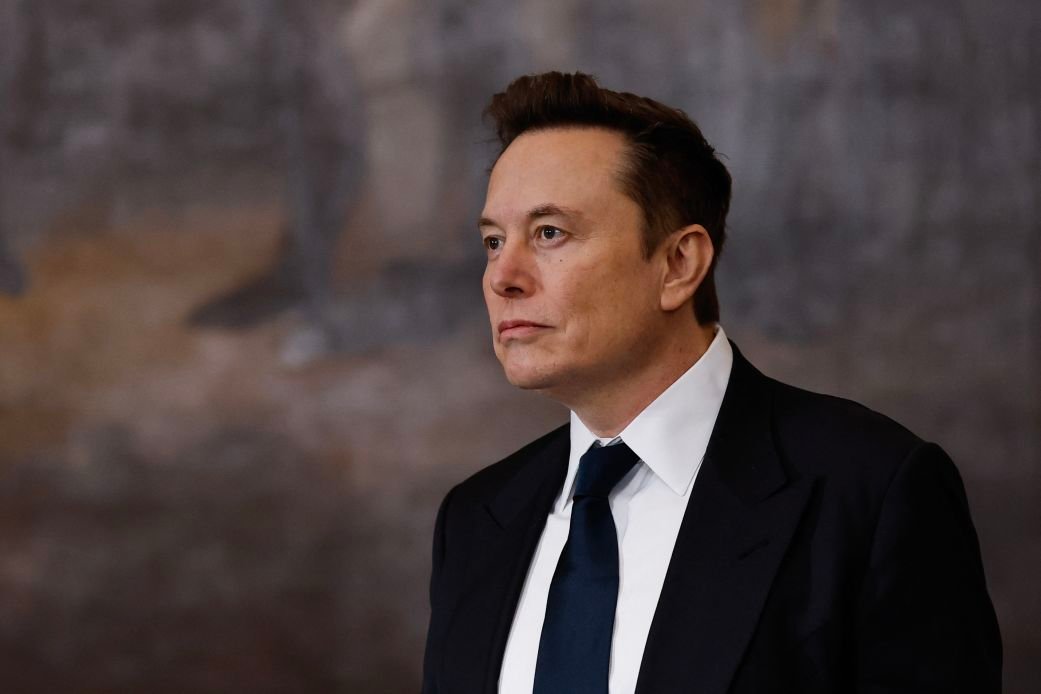
Elon Musk has repeatedly described a wide range of public figures as “traitors”, turning one of history’s strongest political accusations into a recurring part of his online rhetoric. His recent comments, directed at journalists, elected officials, and political opponents, have reignited discussions about the historical meaning of the word, its legal significance, and how political language has evolved in the age of social media.
While “traitor” traditionally refers to someone who betrays their country or commits treason against the state, the term is now frequently used in Political Debate as a rhetorical insult rather than a legal accusation. Musk’s remarks illustrate how emotionally charged language has become increasingly common in online political conversations across the world.
Why Did Elon Musk Use the Word “Traitor”?
The latest Controversy emerged after Musk participated in an interview discussing topics including European Politics, Immigration, humanitarian aid, and his political views.
Following the interview, Musk criticized the interviewer on his social media platform, calling her “a traitor to the West.”
In recent weeks, Musk has also applied the label “traitor” to individuals who disagree with his views on immigration, national identity, and politics, as well as to several public officials and political leaders.
These comments have attracted widespread attention because the term carries significant historical, legal, and emotional weight.
What Does “Traitor” Actually Mean?
Historically, a traitor is someone who betrays loyalty to a nation, sovereign, government, or cause.
The word originates from the Latin verb tradere, meaning “to hand over” or “to betray.” It entered English during the early 13th century and gradually became associated with betrayal of one’s ruler or country.
Today, the word has two distinct meanings:
| Meaning | Description |
|---|---|
| Legal | A person convicted of treason under the law. |
| Political/Rhetorical | A term used to accuse someone of betraying shared values, ideology, or national interests. |
In everyday political discussion, the second meaning has become far more common than the first.
What Is Treason Under US Law?
In the United States, treason has an extremely narrow legal definition.
The US Constitution states that treason consists only of:
- Levying war against the United States.
- Giving aid and comfort to the country’s enemies.
The framers of the Constitution intentionally limited the definition to prevent governments from labeling ordinary political opponents as traitors.
This distinction remains important because disagreeing with government policies, expressing unpopular opinions, or criticizing public officials does not constitute treason under US law.
Why the Founding Fathers Narrowly Defined Treason
During the drafting of the US Constitution, the country’s founders were aware that governments throughout history had often weaponized accusations of treason against political rivals.
By restricting the legal definition, they sought to protect democratic debate and reduce the risk of political persecution.
This constitutional safeguard remains one of the strongest legal protections against the misuse of treason accusations in American politics.
How the Word Has Changed Over Time
Although its legal meaning remains narrow, the public use of the word “traitor” has expanded dramatically over the centuries.
Today it is frequently used to criticize people perceived as betraying:
- Political ideology.
- National identity.
- Religious beliefs.
- Social movements.
- Party loyalty.
- Cultural values.
In many cases, the accusation reflects political disagreement rather than any criminal conduct.
Historical Figures Commonly Associated With Betrayal
Throughout history, several individuals have become enduring symbols of betrayal.
| Historical Figure | Why They Are Remembered |
|---|---|
| Judas Iscariot | Betrayed Jesus according to Christian tradition. |
| Marcus Junius Brutus | Participated in the assassination of Julius Caesar. |
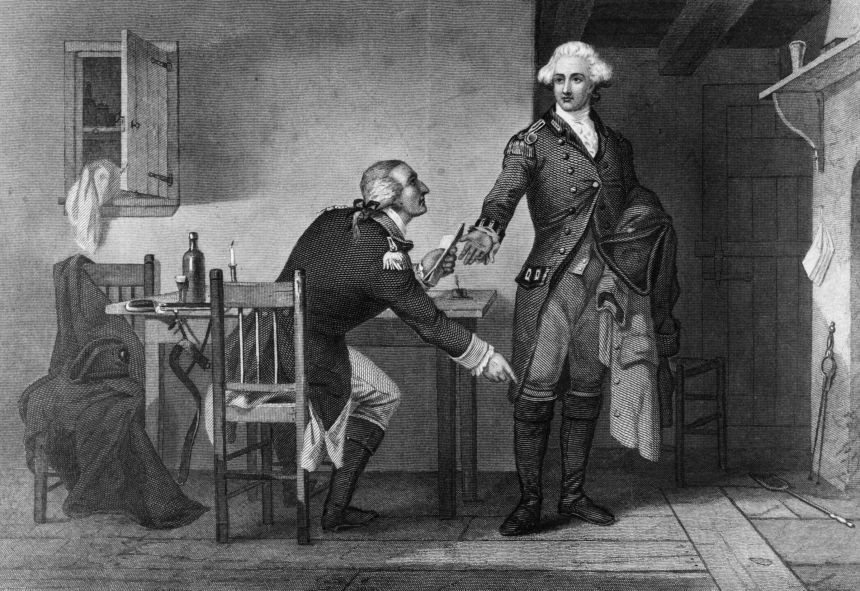
| Benedict Arnold | Defected from the American Revolutionary cause. |
| Vidkun Quisling | Collaborated with Nazi Germany during World War II. |
These historical examples helped shape the modern understanding of betrayal and continue to influence how the word “traitor” is perceived.
Political Language Has Become Increasingly Polarized
Political scientists have observed that modern political debate increasingly relies on emotionally charged language.
Terms such as “traitor,” “enemy,” and “betrayal” are now commonly used to describe ideological opponents rather than individuals accused of criminal acts.
Social media has accelerated this trend by rewarding messages that attract attention, provoke reactions, and spread rapidly across online communities.
Why Words Like “Traitor” Generate Strong Reactions
Unlike ordinary political criticism, calling someone a “traitor” questions their loyalty rather than simply their opinions.
Such language can:
- Intensify political polarization.
- Reduce opportunities for constructive dialogue.
- Frame opponents as enemies instead of competitors.
- Increase emotional responses among supporters.
- Encourage more confrontational public discourse.
Because of its historical association with one of the most serious crimes against a nation, the term often carries greater emotional impact than standard political criticism.
The Role of Social Media in Political Messaging
Platforms such as X have fundamentally changed how political leaders, business executives, journalists, and activists communicate.
Instead of relying solely on traditional media interviews, influential public figures can instantly publish opinions directly to millions of followers.
This has increased the visibility of political rhetoric while allowing controversial statements to spread globally within minutes.
Freedom of Expression and Political Criticism
Democratic societies generally protect robust political debate, including strong criticism of governments and public figures.
However, constitutional protections for Free Speech differ from the legal standards governing criminal offenses such as treason.
As a result, political accusations of betrayal are usually understood as expressions of opinion rather than legal allegations unless accompanied by formal criminal proceedings.
How Political Labels Shape Public Debate
Language plays an important role in shaping how people interpret political disagreements.
Describing opponents as:
- Traitors.
- Enemies.
- Patriots.
- Defenders of democracy.
- Protectors of national interests.
can influence public perception by framing disagreements as moral conflicts rather than policy debates.
Communication experts note that such labels often simplify complex political issues into emotionally charged narratives.
Why the Debate Matters Beyond One Individual
The discussion surrounding Musk’s comments reflects broader questions about political communication in democratic societies.
As influential public figures increasingly communicate directly with global audiences through social media, the words they choose can shape public conversations, influence political narratives, and affect civic discourse.
The controversy also highlights the growing gap between the historical and legal meaning of “traitor” and its modern use as a political expression.
Looking Ahead
Elon Musk’s repeated use of the word “traitor” has sparked renewed attention not only because of the individuals he targets but also because of the historical significance of the term itself. While the legal definition of treason in the United States remains deliberately narrow, political rhetoric has increasingly expanded the word’s use to describe ideological disagreement, perceived disloyalty, or opposition to particular policies.
As political debates continue to unfold across digital platforms, language will remain one of the most powerful tools shaping public opinion. Understanding the distinction between constitutional definitions, historical context, and rhetorical usage helps place such statements in perspective and encourages more informed discussions about politics, free expression, and democratic discourse.
For breaking news and live news updates, like us on Facebook or follow us on Twitter and Instagram. Read more on Latest World on thefoxdaily.com.






COMMENTS 0