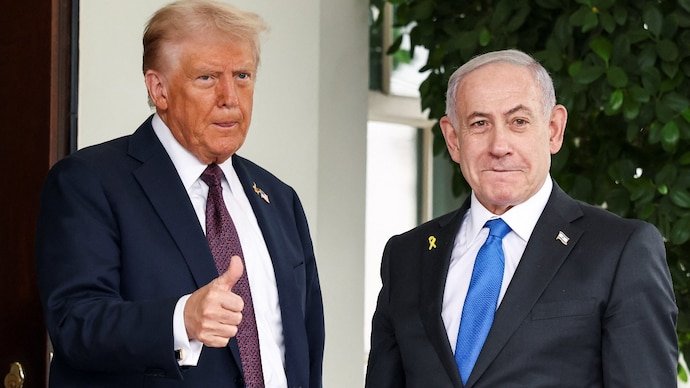
Relations between the United States and Israel have long been defined by a combination of deep strategic cooperation and occasional political friction. The latest example emerged when reports surfaced that US President Donald Trump used unusually harsh language during a conversation with Israeli Prime Minister Benjamin Netanyahu regarding Israel’s Military actions in Lebanon.
The reported remark quickly generated headlines across the world, fueling speculation about a possible rift between two leaders often seen as close political allies. However, Netanyahu’s response suggests that while disagreements exist, both sides remain aligned on their broader strategic objectives.
The incident offers a revealing glimpse into how modern alliances function during periods of regional instability. While public attention focuses on personal exchanges and diplomatic drama, the deeper story involves competing priorities, regional security calculations, and differing approaches to managing one of the world’s most volatile geopolitical environments.
What Triggered the Trump-Netanyahu Dispute?
The disagreement reportedly occurred during discussions about Israel’s ongoing military campaign in Lebanon, particularly operations targeting Hezbollah positions.
At the time, the United States was attempting to preserve fragile diplomatic channels connected to broader regional negotiations involving Iran. Washington’s primary concern was preventing a wider Middle East Conflict that could undermine ongoing diplomatic efforts.
Israel, meanwhile, viewed continued military pressure on Hezbollah as essential to its National Security.
This created a familiar challenge in US-Israel relations: both countries shared the same strategic concerns but differed on how aggressively to pursue their objectives.
According to reports, Trump’s frustration stemmed from concerns that Israeli military actions could complicate diplomatic efforts and increase the risk of regional escalation.
Netanyahu’s Response: Tactical Differences, Not Strategic Division
Rather than escalating the controversy, Netanyahu chose to minimize the significance of the disagreement.
His response emphasized that disagreements between allies are normal and often temporary.
The Israeli Prime Minister compared the relationship to that of a family, arguing that close partners inevitably experience disputes while remaining committed to common goals.
This framing is important because it shifts attention away from personal tensions and toward the broader strategic relationship.
Netanyahu’s message was clear: disagreement over tactics does not mean disagreement over fundamental objectives.
The Bigger Issue: Managing the Lebanon Front
The dispute reflects growing concerns about the Lebanon front becoming a catalyst for wider regional instability.
Hezbollah remains one of the most powerful non-state military organizations in the Middle East and has long been viewed by Israel as a significant security threat.
Any escalation involving Hezbollah carries the potential to draw in multiple regional actors, including Iran.
For Washington, preventing such an expansion is a major strategic priority.
For Israel, allowing Hezbollah to strengthen its military capabilities is viewed as an unacceptable security risk.
These competing imperatives explain why tactical disagreements occasionally emerge even when both governments broadly agree on regional objectives.
Iran Remains the Central Strategic Concern
Despite disagreements over Lebanon, both Trump and Netanyahu continue to view Iran as the primary geopolitical challenge in the region.
The issue of Iran’s nuclear ambitions, regional influence, and support for allied armed groups remains a core area of cooperation between Washington and Jerusalem.
In fact, the reported dispute may actually highlight the strength of the broader alliance.
Allies often argue most intensely when they share the same ultimate goal but disagree about the best path to achieve it.
Both leaders continue to support efforts aimed at limiting Iran’s strategic capabilities, even if they differ on how military and diplomatic tools should be balanced.
Why Personal Clashes Rarely Define US-Israel Relations
One reason analysts are cautious about interpreting the incident as a major rupture is the long history of disagreements between American and Israeli leaders.
Over several decades, US presidents and Israeli prime ministers have frequently clashed over issues such as:
- Settlement policies.
- military operations.
- Peace negotiations.
- Regional Diplomacy.
- Relations with neighboring states.
Yet despite these disagreements, the strategic partnership has remained remarkably resilient.
| Area of Cooperation | US-Israel Strategic Importance |
|---|---|
| Security Cooperation | High |
| Intelligence Sharing | High |
| Defense Technology | High |
| Counterterrorism | High |
| Regional Stability | High |
The institutional foundations of the relationship often prove stronger than temporary political disputes.
The Role of Personality in Modern Diplomacy
Modern diplomacy increasingly unfolds in public view, with media coverage amplifying every disagreement between world leaders.
Trump’s communication style is particularly influential in this regard.
His willingness to use blunt language often creates headlines that can overshadow the underlying policy discussions taking place behind closed doors.
In many cases, strong rhetoric serves multiple purposes:
- Signaling dissatisfaction.
- Applying political pressure.
- Managing domestic audiences.
- Influencing negotiations.
- Demonstrating leadership resolve.
As a result, dramatic language does not always translate into dramatic policy shifts.
How Lebanon Fits Into the Wider Middle East Puzzle
The conflict in Lebanon cannot be viewed in isolation.
Regional security dynamics increasingly connect developments across multiple fronts, including:
- Israel-Hezbollah tensions.
- US-Iran negotiations.
- Gulf security concerns.
- Maritime trade routes.
- Energy market stability.
Actions taken in one arena often produce consequences in another.
This interconnected reality explains why Washington remains concerned about military escalation that could disrupt broader diplomatic efforts.
It also explains why Israel views security threats in Lebanon as inseparable from the larger challenge posed by Iran and its regional allies.
The Economic Dimension Often Gets Overlooked
While headlines focus on military developments, economic considerations are playing an increasingly important role.
Continued instability affects:
- Global energy prices.
- Investment confidence.
- Shipping routes.
- Regional tourism.
- International trade flows.
Governments across the world are monitoring developments closely because prolonged conflict could create broader economic disruptions far beyond the Middle East.
Why the Alliance Is Likely to Survive
The strongest evidence against a serious breakdown is the continued alignment of core strategic interests.
Both governments remain committed to:
- Countering regional threats.
- Preventing nuclear proliferation.
- Maintaining military cooperation.
- Sharing intelligence.
- Strengthening regional deterrence.
These priorities create powerful incentives for continued cooperation even during periods of political tension.
Netanyahu’s emphasis on frequent communication with Trump further reinforces the notion that dialogue remains active and constructive despite disagreements.
Prediction: More Tactical Clashes, Not a Strategic Split
Looking ahead, additional disagreements between Washington and Jerusalem are likely.
The complexity of the Middle East ensures that policymakers will continue facing difficult choices regarding military operations, diplomacy, and regional security.
However, the probability of a fundamental break in relations remains low.
Instead, the more likely scenario is continued cooperation accompanied by periodic disputes over strategy and timing.
This pattern has characterized the relationship for decades and is likely to persist regardless of the personalities involved.
Future Outlook
The coming months will test the ability of both governments to balance military objectives with diplomatic priorities. Developments in Lebanon, Iran, and the broader Gulf region will continue shaping discussions between Washington and Jerusalem.
If regional tensions ease, the recent controversy may quickly fade into the background. If hostilities intensify, however, tactical disagreements could become more frequent as both sides seek to protect their interests while avoiding a larger conflict.
Nevertheless, shared security concerns and longstanding institutional cooperation provide a strong foundation for the relationship moving forward.
Conclusion
The controversy surrounding Trump’s reported remarks to Netanyahu has generated significant attention, but the broader context suggests that the disagreement is more tactical than strategic. Both leaders continue to share core concerns about regional security, Iran’s influence, and Middle East stability.
Netanyahu’s response reflects a recognition that strong alliances often include periods of friction. In fact, disagreements can sometimes be a sign of a mature partnership where both sides feel comfortable expressing differences openly.
The real story is not whether Trump and Netanyahu argued over Lebanon. It is whether the United States and Israel remain committed to their shared strategic objectives. Based on current evidence, the answer remains yes. The methods may be debated, but the partnership itself appears firmly intact.
For breaking news and live news updates, like us on Facebook or follow us on Twitter and Instagram. Read more on Latest World on thefoxdaily.com.






COMMENTS 0