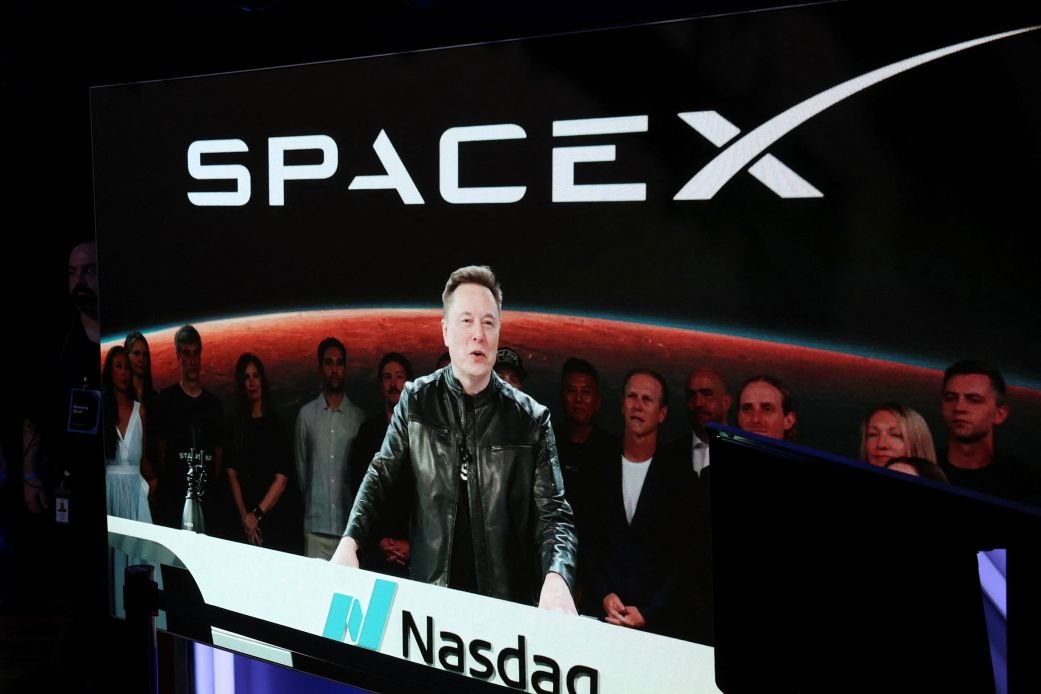
Elon Musk invested nearly half a billion dollars in the 2026 US Midterm Elections, supporting Republican candidates and focusing particularly on helping Ken Paxton defeat Democrat James Talarico in the Texas Senate race. However, Talarico won, while Democratic victories in the Texas governor and attorney general races could create wider challenges for Musk’s business interests in the state.
The election results could bring greater regulatory scrutiny to Musk’s companies, including SpaceX and Tesla. Both businesses have major operations in Texas and ambitious plans involving artificial intelligence, data centres, space exploration and autonomous vehicles. The incoming Democratic leadership has raised concerns about several of these activities.
Technology analyst Daniel Ives said the biggest concern for Musk was not necessarily the results of the Senate or House races but the change in Texas leadership, particularly the governor’s office. The potential policy changes could affect projects that Musk considers important to his companies’ future growth.
Key Highlights
- Elon Musk spent nearly half a billion dollars supporting Republican candidates in the midterm elections.
- Democratic victories in Texas could increase regulatory scrutiny of SpaceX and Tesla.
- Governor-elect Gina Hinojosa has proposed a moratorium on new data centre construction.
- Incoming Attorney General Nathan Johnson has indicated he would investigate SpaceX’s Starlink broadband grants.
- Potential restrictions on data centres, rocket launches and robotaxis could affect Musk’s expansion plans in Texas.
Texas Election Results Create New Challenges for Musk
Texas has become an important operating base for Musk’s business empire. SpaceX has major spaceflight operations in the state, while Tesla runs significant business activities there. Both companies are also investing in artificial intelligence and technologies that could require substantial infrastructure development.
The victories of Democrat Gina Hinojosa in the governor’s race and Nathan Johnson in the attorney general contest could change the regulatory environment for these businesses. During their campaigns, both candidates raised concerns about activities connected to Musk’s companies.
Hinojosa’s proposed restrictions on data centre development could affect SpaceX’s infrastructure plans, while Johnson’s comments about Starlink suggest that the company’s broadband operations may face additional scrutiny.
Starlink Could Face Questions Over Rural Broadband Grants
SpaceX’s Starlink satellite internet service is one of the company’s most profitable business units. It provides internet connectivity through a network of satellites, including in areas where conventional broadband infrastructure is limited.
However, incoming Texas Attorney General Nathan Johnson said in July that he would investigate whether Starlink received grants intended to expand rural broadband unfairly. The comments indicate that the company’s participation in government-supported connectivity programmes could become an issue under the new administration.
Any investigation would bring additional attention to how broadband funding was awarded and whether the process followed the applicable rules. The potential scrutiny is significant because Starlink plays an important role in SpaceX’s overall business operations.
Proposed Data Centre Moratorium Threatens SpaceX’s AI Plans
One of the biggest concerns for Musk’s companies is Governor-elect Gina Hinojosa’s opposition to the rapid expansion of data centres. During her campaign, she made the issue a major policy focus and pledged to introduce a moratorium on new data centre construction.
Data centres are essential to artificial intelligence development because they provide the computing capacity required to train and operate advanced AI systems. SpaceX is planning major investments in this infrastructure over the coming year, including a large project known as Colossal 3 near Brownsville, Texas.
SpaceX also operates cloud platforms and sells computing capacity to other AI companies. This business model gives the company a revenue opportunity beyond its traditional rocket launches and satellite services.
A moratorium on new construction could delay or disrupt planned projects, depending on the final policy and how it is implemented. Technology analyst Daniel Ives described the Texas data centre plans as an important part of Musk’s ambitions and said uncertainty over the state’s future approach could weigh on investor confidence.
SpaceX’s Starbase Operations Could Face Greater Scrutiny
SpaceX has also faced criticism over its spaceport operations at Starbase on the Texas Gulf Coast. Residents living near the launch facilities have raised concerns about the effects of rocket launches, particularly disruptive sonic booms.
Sonic booms can produce extremely loud sounds and vibrations. Some residents have described the disturbances as a serious local concern, and a group of residents filed a lawsuit this year over issues connected to the operations.
SpaceX did not respond to a request for comment about the lawsuit. Musk previously downplayed concerns about sonic booms, writing in a 2022 post on X that storms and hurricanes were far more serious than Starship launches.
The change in state leadership could influence how these complaints are handled. Residents may find a more receptive audience under Hinojosa than they did under outgoing Governor Greg Abbott, although Hinojosa’s campaign did not respond to questions about her position on the spaceport.
Potential restrictions on launches could also affect SpaceX’s operational flexibility. The article’s analysis points to Louisiana as a possible alternative launch location if Texas moves to limit activity at its spaceport.
Tesla Robotaxis Could Face Regulatory Challenges
Tesla’s business interests in Texas extend beyond electric vehicle manufacturing and sales. The company is developing its driverless robotaxi service, which Musk has identified as a major part of Tesla’s future business strategy.
Tesla’s robotaxis currently operate in four Texas cities and three cities in Florida. By comparison, Waymo, the autonomous driving business owned by Alphabet, operates in 15 cities across the United States.
Local governments have authority over which vehicles, including self-driving vehicles, can operate on their roads. As a result, changes in local regulatory policies could influence how quickly Tesla expands its robotaxi service.
Daniel Ives said tighter regulation of robotaxis could represent a significant setback for Tesla’s plans. The company has not disclosed separate profit or loss figures for its robotaxi service, but Musk has repeatedly emphasised the importance of autonomous ride services to Tesla’s future.
Investor expectations surrounding Tesla partly reflect the possibility that its robotaxi network could eventually expand nationwide. Restrictions in important markets such as Texas could therefore affect expectations about the company’s long-term growth.
Texas Data Centre Policies Could Affect the Wider AI Industry
The potential impact of Hinojosa’s proposed data centre moratorium extends beyond SpaceX and Tesla. Texas has become a major destination for artificial intelligence infrastructure investment, with a large number of data centre projects planned across the state.
According to research firm Cleanview, Texas has the highest number of planned data centres in the United States and ranks second only to Virginia in the number of facilities already open or under construction.
Any policy that slows new construction could influence investment decisions across the technology sector. Companies planning large computing facilities may need to reassess project timelines, infrastructure requirements and potential locations if the state’s rules change.
In a note to investors, Ives described Hinojosa’s position on data centre development as a concern for technology investors. He also warned that uncertainty surrounding the state’s AI infrastructure expansion could put pressure on SpaceX stock.
Market Reaction Reflects Investor Concerns
Shares of SpaceX and Tesla fell by more than 3% on Wednesday following the election results, even as several other technology stocks moved higher. The decline reflected investor concerns about the potential consequences of a changing regulatory environment in Texas.
Musk’s personal wealth was estimated at approximately $898 billion, meaning the financial cost of supporting Republican candidates was unlikely to be the central issue for him. The more important question is whether the incoming state leadership will introduce policies that affect the companies’ expansion plans.
For investors, the election has highlighted the connection between political decisions and the business prospects of major technology companies. Data centre approvals, broadband funding, spaceport operations and autonomous vehicle rules could all influence how Musk’s businesses operate in Texas.
Could Musk Shift His Data Centre Ambitions to Space?
Following the election results, Musk suggested on his social media platform X that data centres in space were becoming more appealing. The comment referred to his broader ambitions to move computing infrastructure beyond Earth.
However, operating large-scale data centres in outer space remains technically challenging. Experts have identified significant hurdles associated with launching, maintaining and operating such infrastructure beyond the planet.
Even if space-based data centres become technically possible, SpaceX would still need reliable launch facilities and regulatory approval for its operations. If Texas introduces restrictions on launches, the company could face additional logistical challenges, including the possibility of using a spaceport in Louisiana.
What the Texas Political Shift Means for Musk’s Companies
The election results do not automatically mean that SpaceX or Tesla will face immediate restrictions. The actual impact will depend on the policies adopted by the incoming administration, regulatory decisions and the outcome of any investigations or legal proceedings.
For SpaceX, the main areas to watch include Starlink’s rural broadband grants, data centre construction and launch operations at Starbase. For Tesla, the central concern is whether local authorities introduce additional restrictions that affect the expansion of its robotaxi service.
The wider technology industry will also be watching Texas closely because of the state’s importance to AI infrastructure investment. Any significant change in data centre policy could influence decisions made by companies beyond Musk’s business empire.
Ultimately, the election has created a new set of political and regulatory uncertainties for Musk’s Texas operations. His companies’ ability to continue expanding in the state will depend not only on their technology and investment plans but also on how the incoming leadership approaches broadband, artificial intelligence, spaceflight and autonomous transportation.
For breaking news and live news updates, like us on Facebook or follow us on Twitter and Instagram. Read more on Latest Business on thefoxdaily.com.





COMMENTS 0