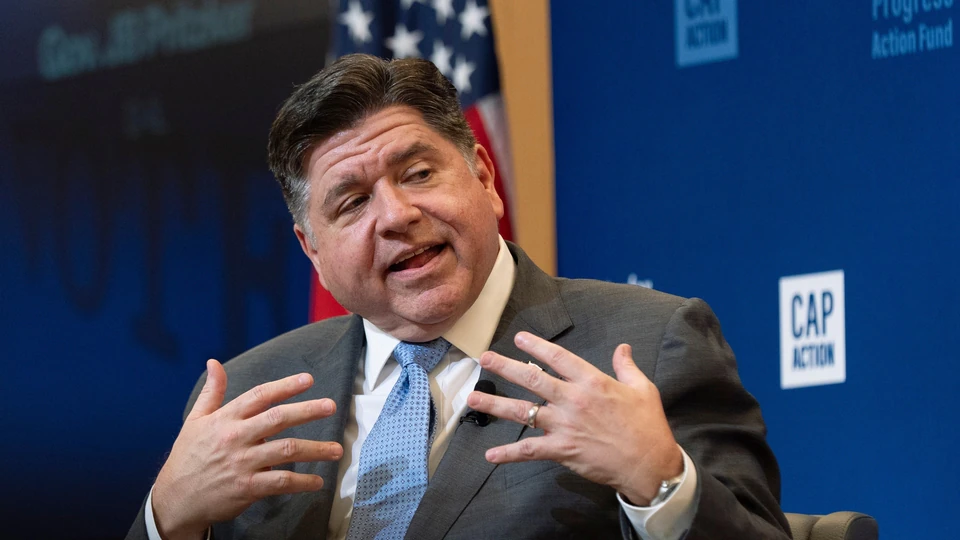
Illinois Governor JB Pritzker has renewed his criticism of President Donald Trump‘s tariff policies, arguing that they have increased financial pressure on working families and Small Businesses. He has urged the incoming US Congress to prioritise funding for Small Business Development Centers (SBDCs) and ensure that federal awards are released on time.
In a post on X, Pritzker said Trump’s tariffs had “screwed over working families and small businesses”, making an already challenging economic environment more difficult. He called on the new Congress to address the funding issue from its first day in office.
The demand forms part of a broader policy agenda unveiled by the Illinois governor in November. Titled ‘Fighting for Illinois: Day One Agenda’, the plan outlines around 200 proposals covering household costs, healthcare, wages and economic growth.
Through the agenda, Pritzker is seeking federal action on issues he believes affect Illinois residents and businesses. His latest comments place small business support alongside broader concerns about the economic impact of federal trade policies.
Pritzker Calls for Timely Funding for Small Businesses
One of the key economic proposals in Pritzker’s agenda is continued funding for Small Business Development Centers and the timely release of their awards. These centres provide support to entrepreneurs and small business owners across Illinois.
SBDCs help businesses at different stages of development. Their services include guidance and resources for people planning to establish a business, as well as assistance for existing businesses seeking to improve operations or expand.
Support from these centres can help entrepreneurs understand business planning, management and other operational requirements. For small businesses with limited resources, access to professional guidance can be particularly valuable when navigating financial and market challenges.
Pritzker argues that maintaining this support is important as businesses deal with the effects of federal trade policies. His proposal calls for Congress to ensure that funding awards are not delayed, allowing the centres to continue providing assistance to local businesses.
However, the governor has not specified the total amount of federal funding he wants allocated to the centres. His latest statement also does not provide a detailed timeline for the release of awards. Instead, it urges Congress to make the issue an immediate priority.
Why Small Business Development Centers Matter
Small businesses play an important role in local economies by supporting employment, entrepreneurship and economic activity. However, they can face challenges such as rising operating expenses, limited access to financing, supply-chain disruptions and changing customer demand.
Small Business Development Centers are designed to help entrepreneurs address some of these challenges by providing business-related assistance. Their work can include helping people develop business plans, understand financial requirements and identify opportunities for growth.
For new entrepreneurs, access to guidance can make it easier to understand the practical steps involved in launching a business. Established business owners may also use these services when considering expansion, improving operations or responding to changing market conditions.
Pritzker’s proposal seeks to maintain this support through reliable federal funding. Delayed awards could create uncertainty for the centres and affect their ability to plan and provide services. Timely funding, according to the governor’s position, would help maintain continuity in the support available to small businesses.
Governor Renews Criticism of Trump’s Tariff Policy
Pritzker has repeatedly criticised the Trump administration’s tariffs, arguing that the trade measures have increased costs for consumers and businesses in Illinois.
Tariffs are taxes imposed on imported goods. Depending on the products affected and how businesses respond, these additional costs can influence import prices, production expenses and the prices paid by consumers.
Businesses that rely on imported materials, components or finished products may face higher costs when tariffs apply to their supply chains. Some companies may absorb part of the increase, while others may pass additional expenses on to customers.
These potential effects are central to Pritzker’s criticism. He has argued that tariffs add to the financial pressure faced by households and small businesses, although the actual impact can vary depending on a company’s products, suppliers and pricing decisions.
His latest comments continue a series of public objections to the administration’s trade policy. The governor has called for relief measures and has previously joined other state leaders in asking Congress to take action on tariffs.
Pritzker Previously Proposed $1,700 Payment for Illinois Households
In August, Pritzker called on Trump to provide tariff relief to Illinois households. As part of that demand, he proposed a payment of $1,700 per household.
The proposal reflected his argument that tariffs could place additional financial pressure on families through higher costs. It also showed that his criticism of the trade policy has extended beyond businesses to include household expenses.
The August proposal and his latest call for small business funding address different aspects of the same broader concern. The earlier demand focused on financial relief for households, while the current proposal seeks continued support for entrepreneurs and business owners through federally funded development centres.
Neither proposal should be confused with an enacted federal benefit. The $1,700 payment was a proposal made by the governor, while the latest SBDC request is a call for Congress to prioritise funding and release awards on time.
Illinois Governor Joined Other Governors in Opposing Tariffs
Pritzker’s criticism also dates back to March, when he joined other governors in urging Congress to end the tariffs. The appeal described the measures as harmful to working families.
The governors’ position was outlined in an official statement from the Illinois governor’s office. Their intervention brought state-level concerns about trade policy into the broader national discussion over the economic consequences of tariffs.
State leaders can raise concerns about how federal trade decisions affect local industries, employers and consumers. However, decisions on federal tariff policy and related trade measures rest with the federal government.
By renewing his criticism, Pritzker is continuing to press Congress and the administration to consider the effects of tariffs on businesses and households in Illinois.
What Pritzker’s Day One Agenda Proposes
The ‘Fighting for Illinois: Day One Agenda’ contains around 200 proposals for the newly elected Congress. Its coverage extends beyond small business development and includes several issues related to household finances and the wider economy.
The agenda addresses areas such as healthcare, wages, household costs and economic growth. The governor’s intention is to place these issues before Congress early in its new term and seek action on matters affecting Illinois residents.
The SBDC funding request is one part of the agenda’s economic proposals. It focuses on ensuring that organisations supporting entrepreneurs have access to federal resources without unnecessary delays.
By presenting the proposals together, Pritzker is linking small business support with wider economic concerns. His position is that assistance for businesses and measures addressing household costs should receive attention as Congress begins its work.
What Happens Next With the Small Business Funding Demand?
Pritzker has called on the incoming Congress to make SBDC funding a priority from its first day in office. The next step would depend on congressional consideration of the funding request and decisions concerning federal awards.
At this stage, the governor’s latest statement does not identify a specific funding allocation or confirm that Congress has agreed to the proposal. It also does not provide a schedule for when the awards should be released.
The request therefore represents a policy demand rather than a completed funding decision. Congress would need to consider the relevant funding priorities and take the necessary steps before any additional allocation or release of awards could be confirmed.
For small business owners and entrepreneurs in Illinois, the outcome could matter because SBDCs provide practical assistance to people starting or operating businesses. The availability and continuity of those services depend in part on the resources supporting the centres.
Conclusion
Illinois Governor JB Pritzker has renewed his criticism of President Donald Trump’s tariffs, arguing that they have added financial pressure on working families and small businesses. He is asking the incoming Congress to fund Small Business Development Centers and ensure that their awards are released on time.
The request is part of Pritzker’s broader ‘Fighting for Illinois: Day One Agenda’, which contains around 200 proposals covering household costs, healthcare, wages and economic growth. It follows his earlier call for $1,700 in tariff relief per Illinois household and his participation in a March appeal by governors urging Congress to end the tariffs.
For now, the SBDC funding proposal remains a demand for congressional action. The amount of funding sought and the timing of any awards have not been specified. The issue will depend on how the incoming Congress responds to the governor’s request and considers federal support for small business development.
For breaking news and live news updates, like us on Facebook or follow us on Twitter and Instagram. Read more on Latest Business on thefoxdaily.com.




COMMENTS 0