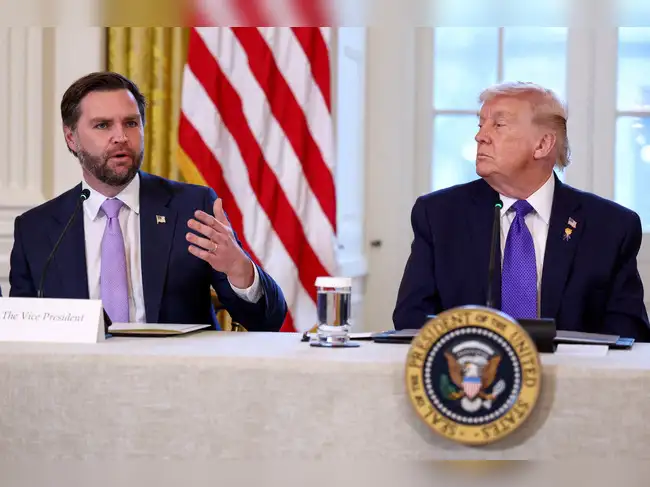
US Vice President JD Vance‘s potential 2028 presidential campaign is facing fresh uncertainty following the Republican Party’s heavy losses in the November 3 midterm elections and growing political pressure over President Donald Trump‘s war with Iran. Although Vance has not announced whether he will seek the Republican nomination, the election results have intensified questions about his political future and the challenges he could face if he enters the race.
Vance is also balancing his position within the Trump administration with the need to establish an independent political identity. His public criticism of the Iran war after the Republican defeat has drawn attention to differences between the two leaders, while his family circumstances could influence when he makes a final decision.
However, reports that Vance may abandon his presidential ambitions should be treated cautiously. According to reporting published on November 13, several people close to the vice president still believe he is more likely to run than not. He is reportedly planning to use the coming weeks, including the holiday period, to consider his options rather than make an immediate announcement. :chatgpt-content-reference{index=”0″}
JD Vance’s 2028 Presidential Bid Faces the Iran War Test
The Iran conflict has become one of the most complicated issues surrounding Vance’s possible presidential campaign. Before the war, the vice president had built a political identity around foreign policy restraint and opposition to prolonged overseas military engagements. His position became more difficult after Trump launched military action against Iran.
Vance initially maintained a relatively cautious public profile on the conflict while remaining part of the administration responsible for its policy. The war created a political dilemma: supporting Trump’s decisions risked alienating voters who opposed another prolonged US military engagement, while openly criticising the president could create tensions within the Republican Party.
The Republican losses in the November midterm elections brought that dilemma into sharper focus. On November 4, Vance publicly argued that the Iran war had contributed to the party’s defeat. He also pointed to concerns about living costs, the administration’s domestic priorities and America’s relationship with Israel.
His remarks represented an effort to explain the election results while distinguishing his political position from Trump’s defence of the conflict. The vice president’s assessment attracted attention because he remains a senior member of the administration and cannot easily separate himself from its record. :chatgpt-content-reference{index=”1″}
The duration and outcome of the war could therefore influence the political environment in which Vance makes his 2028 decision. A continuing conflict could keep foreign policy disagreements at the centre of Republican debate, while an end to hostilities could change how voters assess the administration’s record.
Donald Trump and JD Vance Clash Over Iran War
The differences between Trump and Vance over Iran have become increasingly visible following the midterm results. Trump has continued to defend the decision to launch military action, while Vance has questioned whether the political and economic costs of the conflict were justified.
Vance’s post-election criticism was particularly significant because he directly connected the war to Republican electoral losses. He argued that the party needed to acknowledge voters’ concerns rather than avoid discussing the conflict.
Trump, meanwhile, indicated that he understood Vance’s assessment while maintaining that the decision to begin the war had been correct. The president’s position left the vice president in a difficult situation: he must remain loyal to the administration while demonstrating that he recognises the concerns of voters who oppose the conflict. :chatgpt-content-reference{index=”2″}
The disagreement does not necessarily indicate a complete political break between the two men. Vance remains Trump’s vice president, and his future ambitions are closely connected to the political movement that brought the administration to power.
For a potential presidential candidate, however, the distinction between loyalty and independence is important. Vance may need to show Republican voters that he can represent the party’s future without simply defending every decision made during Trump’s presidency.
His approach could also create resistance from different sections of the Republican coalition. Some voters and commentators who support a more interventionist foreign policy may object to his criticism of the Iran campaign, while supporters of a more restrained foreign policy may expect him to take a clearer position against prolonged military involvement.
Could JD Vance Delay His 2028 Presidential Ambitions?
Vance has not formally declared a 2028 presidential campaign. He had previously indicated that he would consider the decision after the midterm elections, and the November 3 results have now given him a new set of political circumstances to evaluate.
According to The Washington Post’s November 13 reporting, people close to Vance believe he intends to spend the holiday period thinking about whether to run. Some associates expect him to reach a decision in the first quarter of 2027, while others believe he may take longer before committing himself. :chatgpt-content-reference{index=”3″}
Family considerations may also play a role. Vance and his wife, Usha Vance, welcomed their fourth child in July 2026. The demands of a national presidential campaign would involve extensive travel, fundraising, public appearances and time away from home. The vice president may therefore weigh the personal implications before deciding whether to enter the race.
That does not mean he has decided to withdraw. Rather, the available reporting suggests that he is taking time to assess the political environment and his family commitments before making a formal choice.
The election results have also encouraged other Republicans to consider entering the 2028 contest. Florida Governor Ron DeSantis, Georgia Governor Brian Kemp and Texas Senator Ted Cruz are among the figures whose potential interest has received attention. Their possible campaigns could make the Republican nomination process more competitive if Vance decides to run. :chatgpt-content-reference{index=”4″}
For now, the key question is not whether Vance has abandoned his ambitions, but whether he believes the political conditions are favourable enough to justify launching a campaign.
Democrats’ Control of Congress Puts Trump Allies Under Scrutiny
The Republican losses in the midterm elections have changed the political balance in Washington. Democrats won control of both chambers of Congress, giving them greater authority to investigate the Trump administration, scrutinise federal agencies and challenge its legislative agenda.
That shift could create additional difficulties for Vance, who would be campaigning as a member of an administration facing congressional investigations. Democratic lawmakers are expected to use their new position to examine decisions made by the executive branch and investigate controversies involving administration officials and advisers.
Vance’s close association with Trump could become a political issue if investigations produce damaging findings or keep administration controversies in the headlines. Even if he is not personally the subject of an inquiry, his role as vice president could make it difficult to distance himself from the wider administration.
At the same time, some of Vance’s allies believe Democratic control of Congress could offer him a political opportunity. Instead of spending the next two years defending unpopular administration decisions, he could focus more heavily on criticising Democratic policies and presenting himself as a leader of the Republican opposition.
This approach would allow him to maintain a connection with Trump’s political base while placing greater emphasis on issues that distinguish his own political identity. Whether it works would depend on how voters assess his responsibility for the administration’s record. :chatgpt-content-reference{index=”5″}
Republican Midterm Losses Create New Challenges for Vance
The November 2026 midterm results have intensified debate over the future direction of the Republican Party. The defeat has raised questions about the administration’s handling of the economy, the Iran conflict and other policy priorities.
For Vance, the results create a challenge because he is both a potential successor to Trump and a central figure in the current administration. He must account for the party’s performance while trying to convince voters that he can offer a different political direction in 2028.
The losses have also encouraged potential Republican rivals to prepare for a competitive nomination contest. DeSantis has increased his public appearances, while Kemp and Cruz have also been mentioned in discussions about possible presidential campaigns.
Secretary of State Marco Rubio remains another important figure in the succession debate. Rubio has indicated that he would support Vance if the vice president enters the race, although the wider Republican field could change as the next election cycle approaches.
Vance’s allies continue to view him as a serious contender. A Reuters-Ipsos survey released during the week of November 13 found that 41% of Republicans and Republican-leaning independents considered him an excellent potential 2028 candidate. Rubio received 40%, followed by DeSantis at 29% and Donald Trump Jr. at 15%. These figures measure respondents’ opinions of potential candidates, not actual primary votes or the eventual outcome of the nomination contest. :chatgpt-content-reference{index=”6″}
Will Donald Trump Endorse JD Vance for President?
Trump’s position could remain important to Vance’s political future. The president has previously indicated support for his vice president, but he has also kept the broader Republican succession question open.
Trump’s endorsement could help Vance consolidate support among Republican voters who remain closely aligned with the president. However, a presidential primary would still involve competing interests among party donors, activists, elected officials and voters.
Vance also faces the challenge of building a political identity that can appeal beyond Trump’s strongest supporters. A successful campaign would need to address issues such as the cost of living, immigration, employment, national security and the future of US foreign policy.
His handling of the Iran conflict could become an early test of that positioning. If he criticises the war too strongly, some Trump supporters may view it as disloyalty. If he continues defending the administration without acknowledging voter concerns, he could struggle to distinguish himself from the president.
What Happens Next for JD Vance’s 2028 Plans?
Vance’s next steps are likely to depend on several developments over the coming months. The situation in Iran, the political consequences of Democratic control of Congress and the emergence of potential Republican challengers could all influence his decision.
His family considerations may also affect the timing of any announcement. Waiting until early 2027 would give him additional time to assess the political environment without immediately committing to the demands of a presidential campaign.
There is also the question of whether the Republican Party will continue to rally around Trump’s political movement or seek a different direction after the midterm defeat. Vance is closely associated with the administration, but his post-election criticism suggests he is also trying to establish his own position within the party.
At this stage, there is no confirmed decision by Vance to abandon a 2028 presidential run. Reports indicate that he is considering his options, but people close to him continue to believe he is more likely than not to enter the race.
Conclusion
JD Vance’s potential 2028 presidential campaign is facing a more complicated political environment following the Republican Party’s midterm losses and the continuing Iran war. His public disagreement with Trump’s assessment of the conflict has highlighted the difficulty of balancing loyalty to the president with the need to establish an independent political identity.
Family responsibilities and the possibility of a competitive Republican primary could also influence the timing of his decision. However, suggestions that Vance is preparing to walk away from the race go beyond what has been established so far. He has not announced a withdrawal, and reports from people close to him indicate that a presidential campaign remains a serious possibility.
The coming months will offer a clearer picture of whether Vance intends to pursue the Republican nomination in 2028 or delay his political ambitions. For now, his decision remains open.
For breaking news and live news updates, like us on Facebook or follow us on Twitter and Instagram. Read more on Latest World on thefoxdaily.com.






COMMENTS 0