- Context: Why This Call Matters Now
- India–US Strategic Partnership: More Than Just Diplomacy
- West Asia Tensions and the Maritime Factor
- Diplomatic Layer: Ceasefires and Conflict Management
- Timeline: Key Developments Around the Call
- Why Personal Diplomacy Still Matters
- Global Implications: What This Means for the World
- Comparison: Then vs Now in India–US Relations
- Unique Insight: India’s Rising Role as a Global Balancer
- Prediction: Deeper Cooperation Ahead
- Conclusion: A Conversation That Signals More Than Friendship
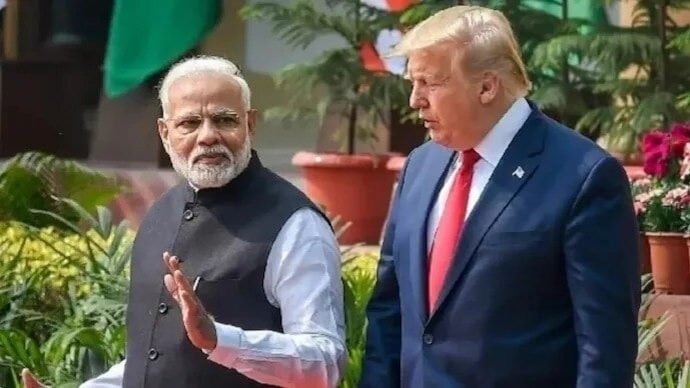
In a world increasingly defined by geopolitical uncertainty, even a single phone call between two powerful leaders can carry outsized significance. When former US President Donald Trump described Indian Prime Minister Narendra Modi as “a friend” following what he called a “very good conversation,” it wasn’t just diplomatic courtesy it was a signal.
Who: Trump and Modi. What: A high-level strategic phone call. When: Amid rising global tensions in West Asia. Where: Across Washington and New Delhi. Why: To align on security, trade routes, and regional stability. How: Through diplomatic coordination and shared strategic interests.
This conversation comes at a time when the world is watching critical developments in West Asia, particularly around energy corridors and maritime security. But beyond the headlines, this exchange reveals deeper shifts in global power dynamics and the evolving role of India in them.
Context: Why This Call Matters Now
The timing of the Trump-Modi call is not coincidental. It comes amid heightened tensions in West Asia, where conflicts, ceasefire negotiations, and maritime disruptions are reshaping geopolitical priorities.
One of the key concerns discussed was the security of the Strait of Hormuz, a narrow yet vital passage through which a significant portion of the world’s oil supply flows. Any disruption here has immediate global consequences from rising fuel prices to supply chain instability.
In this context, India and the United States share a common objective: ensuring that critical sea lanes remain open, secure, and free from conflict.
India–US Strategic Partnership: More Than Just Diplomacy
The India–US relationship has evolved far beyond traditional Diplomacy. Today, it is a Comprehensive Global strategic partnership spanning defense, technology, trade, and energy.
Key Pillars of the Partnership
- Defense Cooperation: Joint military exercises and intelligence sharing
- Maritime Security: Ensuring freedom of navigation in Indo-Pacific and beyond
- Energy Security: Stable access to oil and gas supplies
- Technology & Innovation: Collaboration in AI, space, and digital infrastructure
Trump’s public acknowledgment of Modi as a “friend” reinforces the personal diplomacy that has often underpinned this partnership. Such relationships can accelerate decision-making and reduce friction during crises.
West Asia Tensions and the Maritime Factor
At the heart of the discussion lies a critical issue: maritime security. With ongoing tensions in West Asia, the risk to global shipping routes has increased significantly.
Why does this matter?
- Nearly 25% of global oil trade passes through key chokepoints
- India relies heavily on energy imports from the Gulf region
- Any disruption can trigger global economic ripple effects
By emphasizing the importance of keeping routes like the Strait of Hormuz open, both leaders are effectively advocating for global economic stability.
Diplomatic Layer: Ceasefires and Conflict Management
The conversation also aligns with broader diplomatic efforts led by the United States, including a recently announced ceasefire between Israel and Lebanon. While fragile, such agreements are crucial in preventing wider regional escalation.
India, traditionally seen as a neutral yet influential player, is increasingly engaging in these discussions not as a bystander, but as a stakeholder in global peace.
Timeline: Key Developments Around the Call
| Event | Details |
|---|---|
| Rising West Asia Tensions | Conflicts and instability increase global concern |
| US Diplomatic Push | Efforts to secure ceasefires and stabilize the region |
| Trump-Modi Call | Discussion on security, trade routes, and cooperation |
| Public Statements | Both leaders emphasize partnership and stability |
Why Personal Diplomacy Still Matters
In an era dominated by institutions and multilateral frameworks, leader-to-leader relationships still play a crucial role.
Trump’s phrasing calling Modi a “friend” may seem simple, but it carries strategic weight:
- Signals trust and alignment
- Reduces uncertainty in bilateral relations
- Enhances cooperation during crises
History shows that strong personal rapport between leaders often leads to faster and more decisive action especially in volatile situations.
Global Implications: What This Means for the World
1. Strengthening of Democratic Alliances
The US and India, both major democracies, are reinforcing their alignment at a time when global power structures are shifting.
2. Stability in Energy Markets
Joint emphasis on maritime security helps reassure global markets and reduce volatility.
3. Strategic Signaling to Rivals
This call sends a clear message: Washington and New Delhi are coordinated on key global issues.
Comparison: Then vs Now in India–US Relations
| Aspect | Past Relationship | Current Scenario |
|---|---|---|
| Engagement Level | Transactional | Strategic and long-term |
| Defense Ties | Limited | Deep cooperation |
| Global Role of India | Regional focus | Global stakeholder |
| Leadership Dynamics | Formal | Personal and direct |
Unique Insight: India’s Rising Role as a Global Balancer
One of the most important takeaways from this development is India’s evolving role not just as a partner, but as a balancing power in global Geopolitics.
India maintains relationships across diverse blocs, from Western democracies to Middle Eastern nations. This allows it to:
- Act as a bridge between conflicting parties
- Promote stability without direct confrontation
- Protect its own economic and energy interests
This positioning makes India indispensable in discussions around Global Security and trade.
Prediction: Deeper Cooperation Ahead
Looking forward, the Trump-Modi interaction could lead to:
- Enhanced maritime surveillance and joint operations
- Greater coordination in international forums
- Expanded economic and technological collaboration
As global tensions persist, such partnerships are likely to become even more critical.
Conclusion: A Conversation That Signals More Than Friendship
At first glance, the exchange between Donald Trump and Narendra Modi may appear routine. But in the current geopolitical climate, it represents something far more significant.
It highlights alignment on critical global issues, reinforces a key strategic partnership, and signals a shared commitment to stability in uncertain times.
In an interconnected world, where conflicts in one region can ripple across continents, such conversations are not just diplomatic gestures they are essential tools of global governance.
And if one thing is clear, it’s this: the India–US partnership is no longer just about bilateral ties it’s about shaping the future of Global Order.
For breaking news and live news updates, like us on Facebook or follow us on Twitter and Instagram. Read more on Latest World on thefoxdaily.com.






COMMENTS 0