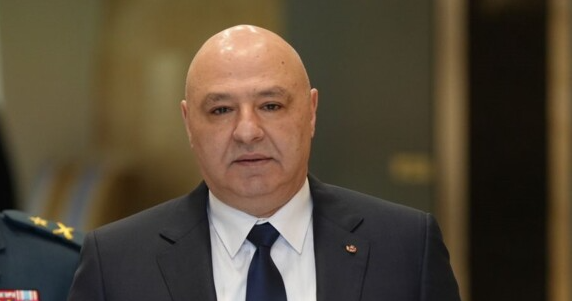
Lebanese President Joseph Aoun is scheduled to meet US President Donald Trump in Washington during a high-profile diplomatic visit that could shape the future of security and political stability in the Middle East. The talks are expected to focus on implementing a US-backed framework agreement between Lebanon and Israel, strengthening the Lebanese Armed Forces, encouraging Israeli military withdrawal from parts of southern Lebanon, and advancing efforts to reduce the influence of armed non-state groups.
The meeting comes after months of regional instability that followed cross-border fighting involving Israel and Hezbollah. While a framework for de-escalation has been announced, major challenges remain before a durable peace can be achieved. Questions surrounding troop withdrawals, Border Security, Hezbollah’s future, reconstruction funding and international guarantees continue to dominate diplomatic discussions.
For Lebanon, the stakes are exceptionally high. The country is simultaneously confronting security challenges, an ongoing economic crisis and the need to restore confidence in state institutions. For the United States, the discussions represent another effort to prevent broader regional escalation while strengthening a key state institution the Lebanese military.
Why the Aoun–Trump Meeting Matters
The meeting is significant because it goes beyond bilateral relations. It reflects wider efforts to reshape security arrangements in southern Lebanon following months of conflict and to prevent another large-scale confrontation between Israel and Hezbollah.
Washington has positioned itself as a key mediator in negotiations aimed at reducing hostilities, strengthening Lebanese state institutions and encouraging confidence-building measures between the two neighboring countries.
If successful, the discussions could accelerate implementation of the recently announced framework agreement and create conditions for improved regional stability.
Understanding the Lebanon–Israel Framework Agreement
The proposed framework outlines a phased approach intended to reduce military tensions while creating conditions for longer-term political engagement.
Key objectives include:
- Gradual Israeli military withdrawal from designated areas in southern Lebanon.
- Expanded deployment of the Lebanese Armed Forces in border regions.
- Reduction of armed activity by non-state groups.
- Enhanced security coordination supported by international partners.
- Creation of conditions for future diplomatic engagement between the two countries.
Although the framework represents an important diplomatic step, implementation depends on mutual confidence, international monitoring and political commitments from multiple stakeholders.
Why Southern Lebanon Remains Strategically Important
Southern Lebanon has long been one of the Middle East’s most sensitive security zones. The region borders northern Israel and has experienced repeated military confrontations over several decades.
The area is strategically significant because it contains key transportation routes, civilian communities and positions that influence border security for both countries. Any instability there has the potential to affect wider regional dynamics.
International peacekeeping forces have also operated in the region for years with the objective of monitoring ceasefire arrangements and reducing the risk of renewed conflict.
Lebanon Wants Greater Support for Its Armed Forces
A central objective of President Aoun’s visit is securing stronger international backing for the Lebanese Armed Forces (LAF).
Lebanese officials argue that a stronger national military is essential for maintaining security, extending state authority and reducing reliance on armed non-state actors.
Support being discussed includes:
- Military training and technical assistance.
- Equipment modernization.
- Border surveillance technology.
- Logistics and mobility support.
- Financial assistance for operational readiness.
International assistance to the Lebanese military has been viewed by several partner countries as an important element in strengthening state institutions during a period of economic and political uncertainty.
The Role of Hezbollah in Current Negotiations
One of the most complex aspects of ongoing diplomatic efforts involves the future role of Hezbollah.
Hezbollah is a powerful political and armed organization that has played a major role in Lebanon’s domestic politics and regional security landscape for decades. While it participates in Lebanon’s political system, its independent military capabilities remain a central point of disagreement between Lebanon, Israel and several international actors.
The Lebanese government has stated its objective of ensuring that the state exercises authority over all armed forces operating within the country. Achieving that objective, however, involves significant political, security and constitutional challenges.
The issue remains one of the most sensitive components of any long-term security arrangement.
US Strategy: Strengthening Institutions Rather Than Escalation
American officials have repeatedly emphasized that lasting stability depends not only on military arrangements but also on strengthening Lebanon’s public institutions.
The broader US approach combines several priorities:
- Supporting implementation of security agreements.
- Preventing renewed cross-border conflict.
- Encouraging political and economic reforms.
- Strengthening state institutions.
- Promoting international Investment and reconstruction.
Officials have also stressed that economic recovery is closely linked to long-term security, as stronger institutions reduce the conditions that often contribute to instability.
Lebanon’s Economic Crisis Adds Urgency
Security negotiations are taking place against the backdrop of one of Lebanon’s deepest economic crises in modern history.
The country continues to face:
- Currency depreciation.
- Banking sector challenges.
- High unemployment.
- Infrastructure damage.
- Fiscal constraints.
- Reduced investor confidence.
Reconstruction efforts following recent hostilities require substantial financial resources, making international investment and donor support increasingly important.
Many analysts believe sustainable economic recovery will depend on both political stability and improvements in the security environment.
Recent Military Developments on the Ground
In recent weeks, Lebanese security forces have expanded their presence in several southern areas identified for initial implementation measures under the framework agreement.
Additional patrols, checkpoints and security deployments are intended to demonstrate the state’s growing role in maintaining order while preparing for any future changes in military arrangements.
However, implementation remains gradual, and several operational details continue to be discussed through diplomatic channels.
Regional Implications Beyond Lebanon
The negotiations extend beyond bilateral relations between Lebanon and Israel.
Regional observers note that developments could influence broader Middle East diplomacy, including:
- Border stability.
- Regional security cooperation.
- Energy infrastructure protection.
- Maritime trade routes.
- Foreign investment confidence.
- Humanitarian conditions for border communities.
Progress in southern Lebanon could contribute to reducing tensions elsewhere if implementation proceeds successfully.
Comparison: Current Situation vs Framework Objectives
| Current Situation | Framework Agreement Goal |
|---|---|
| Continuing military tensions | Long-term border stability |
| Israeli troop presence in certain areas | Phased withdrawal under agreed arrangements |
| Security concerns on both sides | Enhanced monitoring and coordination |
| Economic uncertainty in Lebanon | Greater international investment support |
| Political mistrust | Confidence-building measures |
Expert Analysis: Why Strong State Institutions Matter
One important aspect often overlooked in discussions about Lebanon’s security is the connection between effective governance and lasting peace.
International experience suggests that countries emerging from prolonged conflict generally achieve more durable stability when national institutions including the military, Judiciary, public administration and financial systems operate effectively and enjoy public confidence.
Strengthening the Lebanese Armed Forces is therefore viewed not simply as a military objective but as part of a broader state-building strategy aimed at improving governance, attracting investment and enhancing long-term stability.
Challenges That Could Delay Implementation
Despite diplomatic momentum, several obstacles remain before the framework can be fully implemented.
- Differences over troop withdrawal timelines.
- Security guarantees for border communities.
- Political disagreements within Lebanon.
- Regional geopolitical tensions.
- Funding requirements for reconstruction.
- Maintaining confidence among all stakeholders.
Diplomatic progress will likely depend on sustained engagement among regional governments, international partners and domestic political institutions.
What to Watch After the Washington Meeting
Observers will closely monitor several developments following President Aoun’s discussions with President Trump:
- Announcements regarding military assistance.
- Progress on implementing the framework agreement.
- Any timetable for Israeli withdrawal.
- International commitments for Lebanon’s reconstruction.
- Further diplomatic engagement between regional stakeholders.
Concrete implementation measures are expected to determine whether recent diplomatic momentum translates into lasting improvements on the ground.
Conclusion
President Joseph Aoun’s meeting with President Donald Trump represents an important diplomatic opportunity as Lebanon seeks greater security, economic recovery and institutional strengthening following months of regional conflict. While the recently announced framework agreement offers a potential pathway toward reducing tensions along the Lebanon–Israel border, its success will depend on careful implementation, sustained international support and continued political engagement.
Beyond immediate security concerns, the discussions highlight a broader objective: building stronger Lebanese state institutions capable of maintaining stability, attracting investment and supporting long-term national recovery. Whether the Washington talks produce tangible progress will become clearer in the coming weeks, but they are likely to remain a significant milestone in ongoing efforts to reshape the security landscape in southern Lebanon.
For breaking news and live news updates, like us on Facebook or follow us on Twitter and Instagram. Read more on Latest World on thefoxdaily.com.



COMMENTS 0