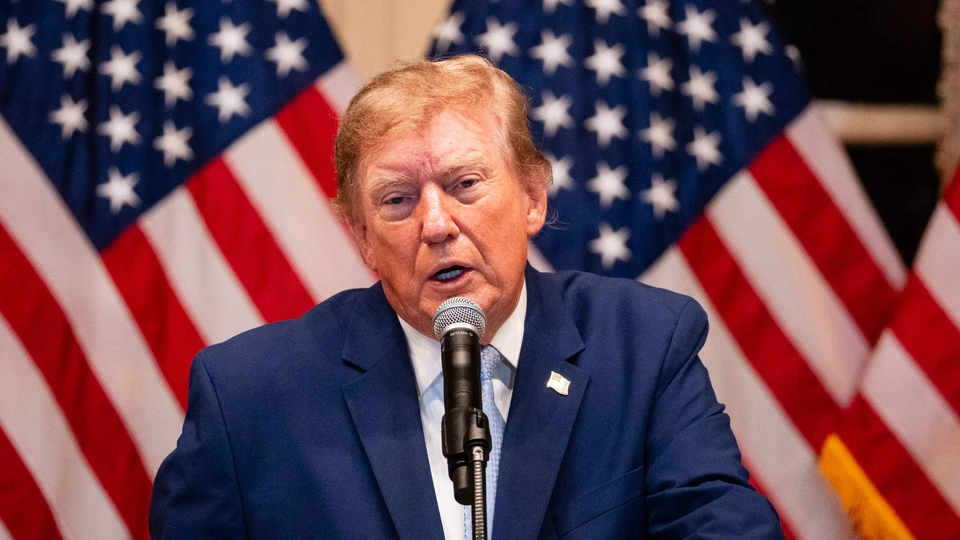
US President Donald Trump has sought to downplay concerns about intelligence cooperation between Iran and its strategic partners, Russia and China, amid reports that Tehran has received assistance in identifying and targeting US military positions in the Middle East.
Speaking to reporters at his Mar-a-Lago resort in Florida on Thursday, Trump said China was only minimally involved in the conflict and suggested that meaningful intervention would involve direct military action rather than the limited exchange of information. He also dismissed the extent of Russia’s reported intelligence assistance, saying Moscow was not providing Iran with very much.
The comments are significant because Russia and China have maintained political, economic and strategic relationships with Tehran. Their relationship with Iran has become an important consideration in the wider conflict, particularly as the United States seeks to limit threats to its military personnel and installations in the region.
Trump’s remarks also indicate that Washington is distinguishing between intelligence cooperation and direct military involvement. While the US president acknowledged that countries spy on one another, he suggested that neither Beijing nor Moscow was currently playing a major role in helping Iran fight the United States.
What Trump Said About China’s Intelligence Support to Iran
Trump made the comments while discussing his recent trilateral meeting with Chinese President Xi Jinping and Russian President Vladimir Putin. According to the US president, the Iran Conflict was among the issues discussed during his interactions with the two leaders.
Describing his meeting with Xi as successful, Trump said China was not substantially involved in supporting Iran’s military activities.
“My meeting with President Xi was an incredible meeting. I think that they’re very little involved with Iran. They could get involved, but involvement to me would mean shooting, not giving them little information,” Trump said.
His remarks suggested that he views direct military participation as a more consequential form of intervention than intelligence sharing or other forms of indirect assistance.
Trump also acknowledged that intelligence gathering is a routine activity among major powers. Responding to concerns about Chinese surveillance and intelligence operations against the United States, he said Washington conducts similar activities against other countries.
“We do the same thing, by the way. And you know, when they say that they may be spying on us, well, we spy on them too,” he added.
The statement reflects the reality of strategic competition between major powers. Intelligence collection is a central part of national security policy, particularly when countries are involved in regional conflicts or competing over military and technological influence.
However, intelligence gathering and intelligence sharing with a country engaged in active hostilities are not necessarily the same thing. Trump’s comments did not provide details about what information China may or may not have shared with Iran, nor did he present evidence to support his assessment.
Trump Dismisses Reports of Russian Intelligence Assistance
Trump was similarly dismissive when asked about Russia’s possible role in helping Iran. Although Moscow and Tehran have developed closer defence and political ties in recent years, the US president suggested that Russian intelligence assistance was limited.
“I don’t think they give very much,” Trump said when discussing Russia’s intelligence sharing with Iran.
The brief response did not establish whether Russia has provided any information to Tehran or whether American intelligence agencies have identified specific exchanges. It was Trump’s assessment of the extent of Moscow’s involvement rather than a detailed account of Russian activities.
Russia’s relationship with Iran is strategically important for both countries. Moscow has sought to strengthen its influence in the Middle East, while Tehran has pursued partnerships that can help it reduce the impact of Western pressure and improve its military capabilities.
The two countries have also expanded cooperation in areas including defence, energy and diplomatic coordination. Their relationship has become particularly relevant as both face sanctions and pressure from Western governments.
Nevertheless, a close strategic relationship does not automatically mean that one country will directly participate in another country’s military operations. Intelligence exchanges, diplomatic support, weapons cooperation and direct military intervention represent different levels of involvement.
Trump’s comments appeared intended to emphasise that Russia had not become a decisive participant in Iran’s conflict with the United States. He did not, however, rule out the possibility of indirect support or provide information about the intelligence assessments behind his remarks.
Why Intelligence Sharing With Iran Matters to the United States
Reports of intelligence assistance to Iran have raised concerns because information about US military deployments, aircraft movements, naval operations and military installations could help Tehran plan attacks more effectively.
Modern warfare depends heavily on intelligence. Satellite imagery, electronic surveillance, intercepted communications, radar information and other forms of data can help military planners identify targets and assess the movements of opposing forces.
Even without sending troops or launching weapons, a country that provides useful intelligence to a military partner can influence the battlefield. Information about the location or activity of military assets may help an adversary select targets, coordinate operations or improve the timing of an attack.
For the United States, this creates a difficult security environment. American forces operate across several locations in the Middle East, and their installations can face threats from missiles, drones and other weapons systems.
If Iran receives accurate and timely intelligence about US military activity, the risks to American personnel and infrastructure could increase. The potential consequences extend beyond individual installations because attacks can disrupt military operations, affect regional shipping and increase the possibility of further escalation.
However, intelligence assistance is difficult to assess publicly. Governments rarely disclose the full extent of their intelligence capabilities or reveal all the information they possess about foreign military cooperation. Reports about intelligence exchanges therefore need to be distinguished from independently confirmed evidence of specific operations.
Why Russia and China May Want the Iran Conflict to End
Trump also offered an explanation for what he believes are the objectives of Moscow and Beijing. According to the US president, both countries want the conflict with Iran to come to an end.
“I think they’re helping me in that regard,” Trump said.
The statement suggests that Trump believes diplomatic pressure or communication with Russia and China could contribute to ending the confrontation. It also reflects Washington’s interest in preventing the conflict from developing into a wider international crisis.
Russia and China have reasons to be concerned about a prolonged conflict in the Middle East, even if their interests do not always align with those of the United States.
China’s economic and energy interests
China has significant economic interests in the Middle East. The region is an important source of energy supplies and a major part of international trade networks connecting Asia, Europe and Africa.
A prolonged conflict could threaten oil and gas infrastructure, disrupt maritime transport and increase uncertainty in energy markets. Higher energy costs and shipping disruptions could affect Chinese industries and businesses that depend on stable international supply chains.
China also has an interest in maintaining diplomatic influence across the region. Its relationships with Iran, Gulf countries and other regional governments give Beijing an opportunity to present itself as an important diplomatic and economic actor.
A wider war could complicate those relationships and force China to balance competing interests. Supporting Iran too openly could damage its ties with other regional partners, while distancing itself from Tehran could weaken an important strategic relationship.
Russia’s strategic calculations
Russia also has reasons to avoid an uncontrolled regional escalation. Moscow has long sought to maintain influence in the Middle East and has developed relationships with several governments whose interests do not always coincide.
A prolonged conflict could create additional pressure on regional security, energy markets and diplomatic relations. It could also introduce new uncertainties for Russia’s wider foreign-policy priorities.
At the same time, Moscow’s relationship with Tehran gives it strategic leverage. Cooperation with Iran can support Russian interests, but the extent of that cooperation depends on changing military, economic and diplomatic calculations.
It is therefore possible for Russia to maintain a close relationship with Iran while preferring that the conflict does not expand into a broader confrontation involving additional major powers.
Trump’s Trilateral Meeting With Xi Jinping and Vladimir Putin
Trump’s remarks also drew attention to his recent engagement with Xi and Putin. The US president referred to the Iran conflict as an issue discussed during his interactions with the two leaders, placing the Middle East crisis within a wider conversation among the world’s major powers.
Relations among Washington, Beijing and Moscow are shaped by several overlapping issues, including trade, military competition, international security, energy and regional conflicts.
China and Russia have often coordinated their positions on international matters, particularly when opposing what they view as excessive Western influence. However, their interests are not identical, and both countries pursue independent strategic priorities.
For Trump, communication with Xi and Putin offers a potential diplomatic channel at a time when the United States is managing a conflict with Iran. If both leaders genuinely want hostilities to end, their influence over Tehran could become relevant to diplomatic efforts.
However, the existence of a conversation does not establish that either country has agreed to take specific steps. Trump’s remarks did not identify any commitments made by Xi or Putin, nor did he explain what assistance he believed they were providing to bring the conflict to an end.
Intelligence Cooperation Is Different From Direct Military Intervention
One of the central points in Trump’s comments was his distinction between providing information and becoming directly involved in a conflict.
His suggestion that Chinese involvement would mean “shooting” rather than sharing limited intelligence reflects a relatively narrow definition of military participation. In practice, international involvement can take several forms, ranging from diplomatic support and economic assistance to intelligence exchanges, weapons supplies and direct combat operations.
A country can influence a conflict without deploying its soldiers. Providing satellite imagery, technical assistance, weapons components or operational information may strengthen an ally’s capabilities while allowing the supporting government to avoid direct confrontation.
This distinction is particularly important when nuclear-armed powers are involved. Direct military intervention by Russia or China in a conflict with the United States could create risks far greater than those associated with indirect assistance.
At the same time, intelligence cooperation can still have serious consequences. Information that helps one side identify military targets may affect the safety of opposing forces, even when the country supplying that information never fires a weapon.
For that reason, the question of whether Russia or China is providing Iran with intelligence cannot be dismissed solely because neither country has entered the conflict directly.
What Trump’s Remarks Do Not Confirm
Although Trump’s statements provide an indication of his public assessment of Russia’s and China’s involvement, they leave several important questions unanswered.
- Extent of intelligence sharing: Trump did not provide details about the type or volume of information Russia or China may have shared with Iran.
- Evidence behind the assessment: He did not disclose the intelligence assessments supporting his claim that both countries were only minimally involved.
- Diplomatic commitments: No specific agreement or action by Xi Jinping or Vladimir Putin to end the conflict was identified in his remarks.
- Future involvement: Trump did not rule out the possibility that either country could become more involved if the conflict escalates.
These distinctions matter because public statements by political leaders can reflect diplomatic messaging as well as assessments of military developments. Downplaying an adversary’s support may reassure domestic audiences, discourage escalation or signal that Washington believes the conflict can be contained.
Without additional evidence, Trump’s comments should be understood as his stated view of the situation rather than definitive proof that Moscow and Beijing have provided no meaningful assistance to Tehran.
Can Russia and China Help Bring the Iran Conflict to an End?
Russia and China could potentially influence diplomatic efforts because both maintain relationships with Iran and have significant international standing. Their ability to communicate with Tehran may provide channels that are not always available to Washington.
China’s economic relationship with Iran and its wider regional interests could give Beijing reasons to encourage restraint. Russia’s political and strategic relationship with Tehran may also provide opportunities for communication.
However, diplomatic influence has limits. Iran has its own national security calculations, regional objectives and domestic political considerations. Decisions about military operations and negotiations ultimately depend on the Iranian leadership and the conditions it considers acceptable.
Similarly, Washington’s objectives will influence whether diplomatic engagement can produce a settlement. A lasting end to the conflict would require more than statements of support from outside powers. It would depend on the issues driving the confrontation, the security concerns of the parties involved and the willingness to negotiate.
Trump’s suggestion that Russia and China are helping him bring the conflict to an end therefore remains an important diplomatic signal, but the practical impact of their involvement will depend on what actions follow.
What the Statements Mean for the Wider Geopolitical Situation
The Iran conflict is not only a regional security issue. It has implications for relations among the United States, China and Russia, three countries whose decisions influence global military and economic stability.
Washington wants to prevent Iran from receiving support that could significantly threaten American forces. Beijing and Moscow, meanwhile, have an interest in protecting their relationships with Tehran without necessarily becoming direct participants in a confrontation with the United States.
This creates a complicated balance. Russia and China can maintain strategic ties with Iran while also seeking to avoid a wider war. The United States can criticise intelligence cooperation while continuing diplomatic engagement with both countries.
Trump’s comments at Mar-a-Lago suggest that he does not currently view Russian and Chinese assistance as decisive enough to change the course of the conflict. His emphasis on their preference for an end to hostilities also indicates that he sees potential diplomatic value in maintaining communication with Xi and Putin.
Whether that assessment proves accurate will depend on developments on the ground and the actions of all the countries involved. For now, the central distinction remains between indirect support, which can influence military operations, and direct intervention, which could transform a regional conflict into a much broader international crisis.
For breaking news and live news updates, like us on Facebook or follow us on Twitter and Instagram. Read more on Latest World on thefoxdaily.com.





COMMENTS 0