Singapore is seeking feedback from domestic businesses as new US restrictions on advanced semiconductor exports create uncertainty for companies that rely on artificial intelligence (AI) computing infrastructure. Deputy Prime Minister Gan Kim Yong said the government is reaching out to local firms to understand how the measures could affect their operations, orders and access to computing resources.
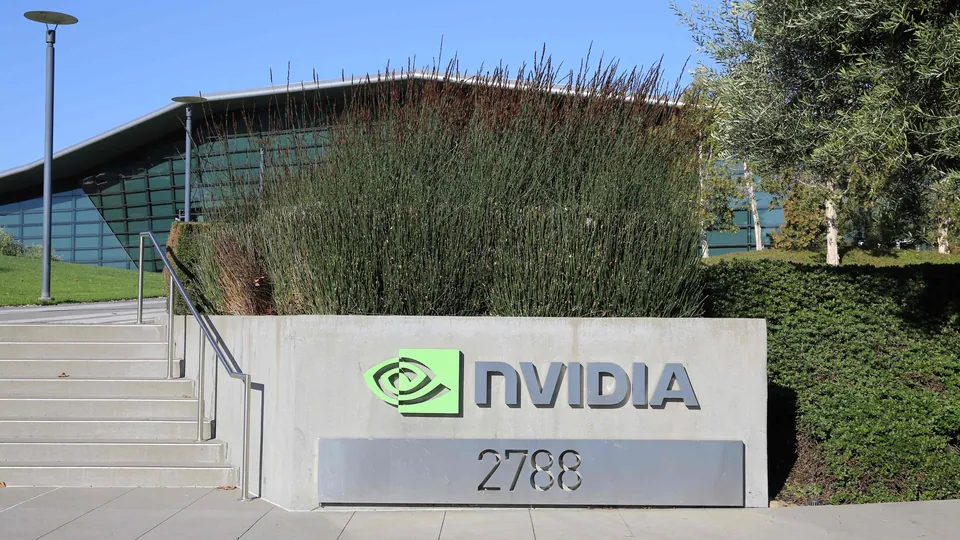
The consultations come after reports that Nvidia, one of the world’s leading suppliers of AI Chips, had instructed manufacturing partners to stop shipping certain servers containing its processors to Singapore, Malaysia, Thailand and Indonesia. The reported move has raised questions about whether businesses in these markets could face delays in obtaining advanced AI hardware.
Speaking at a local summit on Friday, Gan said Singapore had not independently confirmed the reported shipment suspension. His comments indicate that the government is still assessing the situation rather than treating the reported restrictions as an established halt on all Nvidia-related deliveries.
The issue has implications beyond the semiconductor industry. Singapore is a major regional business and technology centre, and access to advanced computing infrastructure is important for data centres, cloud service providers, AI developers and companies building digital services.
Singapore Has Not Confirmed Nvidia Server Shipment Suspension
Gan Kim Yong’s comments followed a report by the Financial Times that Nvidia had instructed manufacturing partners to stop shipping servers containing its advanced chips to Singapore, Malaysia, Thailand and Indonesia.
Manufacturers including Dell and Supermicro, which integrate Nvidia processors into server systems, reportedly informed customers in the affected markets that their orders could not be shipped. The reported suspension has created uncertainty for companies that have purchased or planned to purchase AI computing infrastructure.
When asked about the reported halt, Gan said the Singapore government had not received confirmation of the development.
“They have not confirmed,” he said.
The distinction is important. The reported shipment suspension should not be treated as an officially confirmed ban on all Nvidia servers entering Singapore. The situation appears to involve manufacturers and suppliers assessing how to comply with the new US licensing requirements.
It also remains unclear how long the reported pause could last. Companies may need to review orders, customers and intended uses before determining whether particular shipments can proceed under the revised rules.
Why Dell and Supermicro Are Involved
Nvidia designs and supplies advanced processors used in AI computing systems, but many data centre servers are assembled and sold by other manufacturers. Companies such as Dell and Supermicro integrate Nvidia chips into complete server platforms that businesses purchase for their computing infrastructure.
That means changes to Nvidia’s chip-export arrangements can affect the wider server supply chain. Even when a customer purchases a complete server from a manufacturer rather than buying individual processors, the shipment may still be subject to US export-control requirements because it contains controlled technology.
If suppliers cannot establish that an order meets the relevant licensing conditions, they may delay or suspend delivery while seeking clarification. This can affect data centre construction schedules, cloud computing capacity and investment plans.
Why Has the US Tightened Advanced AI Chip Export Controls?
The new US restrictions are intended to prevent advanced American semiconductor technology from reaching Chinese companies through indirect channels, including overseas data centres and cloud computing services.
Washington has imposed restrictions on the direct export of certain advanced chips to China over concerns that access to powerful computing hardware could support the development of advanced AI systems and applications with potential military or intelligence uses.
However, restricting direct shipments does not necessarily prevent Chinese companies from accessing computing power located outside China. A company may be able to rent processing capacity from a data centre in another country instead of purchasing the chips itself.
This has become an important issue as cloud computing providers operate large facilities equipped with advanced processors. Customers can access those systems remotely to train AI models, run applications and perform other computationally intensive tasks.
The US government is seeking to close what it considers potential gaps in the export-control system by placing additional licensing obligations on chip shipments and certain overseas computing arrangements.
Singapore, Malaysia, Thailand, Indonesia and Brazil Added to Licensing Requirements
Under an interim final rule published by the US Department of Commerce on November 19, 2026, exports, re-exports and transfers of specified advanced semiconductors to or within five countries require licences.
The countries covered by the new destination-based licensing requirements are:
- Singapore
- Malaysia
- Thailand
- Indonesia
- Brazil
The rule identifies these destinations as presenting a higher-than-normal risk of diversion of advanced computing technology to restricted entities or countries of concern.
The licensing requirement does not mean that every shipment of every semiconductor to these countries has been prohibited. Instead, exporters and other parties involved in covered transactions must obtain the required authorisation under the applicable US export-control rules.
The rules also provide an exception for specified shipments destined for companies headquartered in the United States, or whose ultimate parent company is headquartered there, provided the required reporting conditions are met.
This distinction matters for businesses operating across international supply chains. A company’s location, ownership structure, the identity of the end user and the intended use of the hardware can all affect whether a licence is required.
New Rules Also Target Remote Access to AI Computing Power
The US restrictions go beyond the physical movement of advanced chips. They also address the use of overseas data centres that provide significant computing capacity to companies headquartered in China, Macau or other destinations covered by the relevant US restrictions.
Under the new framework, certain exports, re-exports and transfers of advanced computing items intended for data centres that provide substantial computing access to restricted entities may require authorisation.
This is designed to address a situation in which a Chinese AI developer could potentially use advanced American chips without importing them directly. Instead, the company could rent computing capacity from a cloud provider operating servers in Singapore or another overseas market.
For example, a data centre in Southeast Asia could operate servers containing advanced Nvidia processors and make their computing capacity available to customers through remote cloud services. If a customer based in a restricted country obtains significant access to that capacity, the arrangement may fall within the new licensing framework.
The rules therefore place greater emphasis on understanding who ultimately uses the computing resources, not simply where the physical servers are located.
Cloud Providers Face Additional Compliance Responsibilities
Cloud service providers and data centre operators may need to examine their customer relationships more closely under the revised framework.
Businesses involved in covered transactions are expected to carry out due diligence to identify customers, ownership structures and the intended use of computing capacity. This can include examining whether a customer is directly or indirectly controlled by an entity headquartered in a restricted destination.
The requirements could affect companies that provide high-performance computing services to AI developers, research organisations and other customers using large clusters of advanced processors.
The rule also gives existing data centre operators covered by the relevant remote-access provisions a limited period to obtain the required authorisation if they wish to continue providing qualifying computing services. The published framework sets a 90-day licensing period for certain existing arrangements.
For companies operating across borders, compliance may become more complicated because a data centre’s customers, parent companies and end users can be located in different countries.
Why Singapore Is Particularly Exposed to the New Restrictions
Singapore has developed into an important regional centre for technology, finance, cloud computing and data centre operations. Its business environment and international connectivity have made it an attractive location for companies building digital infrastructure and providing computing services across Asia.
Advanced AI chips are an important component of this infrastructure. They power systems used for training large AI models, running inference workloads, processing data and supporting cloud-based applications.
Any uncertainty surrounding access to these processors could therefore affect more than hardware suppliers. Data centre operators, cloud providers, technology startups and businesses planning AI projects may also face consequences.
Singapore’s role in the regional technology supply chain makes the government’s assessment particularly important. Officials need to understand whether local companies are facing delayed deliveries, additional licensing costs, changes to customer contracts or uncertainty over future investments.
Impact on Data Centre Investments
Data centres require substantial investment in buildings, electricity infrastructure, cooling systems, networking equipment and computing hardware. Advanced processors are among the most important components for facilities designed to support large-scale AI workloads.
If server deliveries are delayed, companies may struggle to bring new computing capacity online according to their planned schedules. This could affect customer agreements, revenue expectations and the timing of investments.
Businesses may also need to reconsider where they purchase equipment or how they structure their cloud services. However, shifting supply chains is not necessarily straightforward because advanced AI processors and compatible server systems have specialised technical and regulatory requirements.
The extent of any disruption in Singapore will depend on how US authorities implement the licensing rules and how quickly exporters, manufacturers and customers can establish compliance.
Could the Restrictions Affect Singapore’s AI Ambitions?
Access to advanced computing infrastructure is increasingly important for countries seeking to develop AI capabilities. Companies need powerful processors to train and deploy models, develop new applications and provide services to customers.
Singapore has been positioning itself as a technology and innovation hub in Southeast Asia. Its AI ecosystem includes multinational technology companies, financial institutions, research organisations, startups and data centre operators.
Restrictions on advanced chip shipments could create uncertainty for some of these businesses, particularly those planning projects that depend on large quantities of high-performance computing hardware.
However, the new licensing requirements do not automatically prevent Singapore-based companies from purchasing advanced chips. The framework creates additional authorisation requirements, and individual transactions may be assessed under the applicable licensing rules.
That means the impact will depend on which products are covered, who the intended customers are, how the computing capacity will be used and whether the necessary permissions are granted.
Companies with legitimate commercial requirements may still be able to pursue shipments through the licensing process. The immediate challenge is understanding the requirements and obtaining clarity on how they apply to different business arrangements.
Singapore Government Seeks Feedback From Local Businesses
Gan Kim Yong’s announcement that officials are engaging local firms suggests that Singapore wants to assess the practical consequences before determining the wider impact of the restrictions.
Consultations with businesses can help the government identify which sectors are most exposed and whether companies are experiencing problems with orders, licensing procedures or access to computing infrastructure.
They can also help officials understand how the rules affect different parts of the technology ecosystem. A semiconductor importer, a server manufacturer, a data centre operator and a cloud computing company may face different compliance obligations even when they are involved in the same supply chain.
Singapore’s assessment could therefore cover several areas:
- Existing orders: Whether companies have experienced shipment delays or cancellations involving advanced AI servers.
- Licensing requirements: How exporters and importers are interpreting the new US authorisation rules.
- Data centre operations: Whether operators need to review customer arrangements or access to computing resources.
- Investment plans: Whether uncertainty over hardware availability could affect planned technology projects.
- Business compliance: Whether local firms need additional resources to verify customers, ownership structures and end users.
The government has not announced a final assessment or a specific support package for affected companies. Gan’s remarks indicate that the engagement process is intended to establish the scale and nature of the potential impact.
What the Nvidia Shipment Reports Mean for Southeast Asia
The reported suspension of Nvidia server shipments is not limited to Singapore. Malaysia, Thailand and Indonesia were also named in the reports, making the issue relevant to a wider Southeast Asian technology market.
These countries have attracted investments in data centres, cloud infrastructure and digital services. As demand for AI computing grows, businesses across the region are seeking access to advanced processors that can support increasingly complex workloads.
The new US licensing requirements could affect how quickly such infrastructure is expanded. Companies may need to provide additional information about customers and intended uses before shipments can proceed.
For manufacturers such as Dell and Supermicro, the challenge involves determining which orders can be fulfilled under the revised rules. For buyers, the uncertainty may affect delivery schedules and the availability of equipment needed for planned projects.
However, it would be premature to conclude that all AI infrastructure development in Southeast Asia will stop. The restrictions apply to specified advanced computing items and transactions, while licensing and compliance conditions determine how individual shipments are handled.
What Happens Next for Singapore’s Chip and AI Industries?
The next phase will depend on the outcome of Singapore’s consultations with businesses and how US authorities clarify and administer the new export-control requirements.
Companies will need to establish whether their existing orders fall within the licensing framework, identify any additional documentation requirements and review the end users of their computing systems.
Manufacturers and exporters will also need to determine whether the reported shipment pause can be lifted once compliance procedures are established. The duration of the reported suspension remains uncertain, and neither the Singapore government nor the companies involved have confirmed a blanket halt on deliveries.
For Singapore, the immediate priority is understanding the exposure of local businesses and identifying where the new rules could disrupt legitimate commercial activity. The government will also need to balance its position as a regional technology hub with the requirements of international export-control regimes.
Singapore’s AI Supply Chain Faces a Period of Uncertainty
The new US restrictions mark an important change in how advanced AI chips and overseas computing capacity are regulated. By requiring licences for specified semiconductor shipments to Singapore and four other countries, Washington is seeking to prevent restricted Chinese entities from accessing advanced computing resources through third-country supply chains.
The reported Nvidia server shipment suspension has brought the potential business consequences into sharper focus. However, Singapore’s Deputy Prime Minister Gan Kim Yong has made clear that the government has not confirmed the reported halt and is still engaging local companies to understand the situation.
The outcome will matter to businesses involved in semiconductor distribution, server manufacturing, data centre operations and cloud computing. It could also influence the pace of AI infrastructure investment across Southeast Asia.
For now, the central issue is not whether Singapore’s technology sector has been completely cut off from advanced AI chips, but how the new licensing requirements will affect individual shipments, customers and computing services. The government’s consultations and the implementation of the US rules will help determine how much disruption local businesses ultimately face.
For breaking news and live news updates, like us on Facebook or follow us on Twitter and Instagram. Read more on Latest World on thefoxdaily.com.






COMMENTS 0