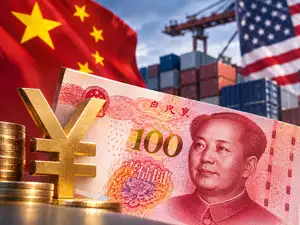
The Trump administration is preparing a new round of tariffs designed not only to restrict Chinese exports to the United States but also to reduce China’s influence over global trade and investment. The strategy marks a broader effort by Washington to reshape international supply chains by pressuring other major economies to limit their economic dependence on Beijing.
The proposed measures come at a sensitive moment in relations between the world’s two largest economies. Although Washington and Beijing have maintained a fragile trade truce, the latest tariff push threatens to introduce fresh uncertainty into their economic relationship. It also raises questions about how countries such as Japan, the European Union and Vietnam will respond to growing pressure from the United States.
According to reports, the latest US approach includes raising tariffs on Chinese goods while encouraging other trading partners to reconsider their commercial links with China. The measures are connected to a US investigation into excess industrial capacity and manufacturing practices that Washington says disadvantage American businesses.
The strategy reflects a shift in the trade dispute. Rather than focusing exclusively on the direct flow of Chinese goods into the American market, the administration is attempting to influence the wider network of countries, companies and investors that participate in global supply chains connected to China.
Why Trump Is Targeting China’s Global Trade Influence
China has become a central manufacturing and exporting hub for the Global Economy. Its industrial capacity spans sectors including electronics, machinery, automobiles, steel, solar equipment and other manufactured products. Chinese companies also maintain extensive commercial relationships with suppliers, manufacturers and buyers across Asia, Europe and other regions.
The Trump administration argues that China’s manufacturing strength and export-oriented economic model create an uneven competitive environment for businesses in the United States. US officials have raised concerns about excess production capacity, government support for industries and the effect of lower-priced imports on domestic manufacturers.
Washington’s concern extends beyond products shipped directly from China. Chinese investment and manufacturing relationships in third countries can also influence where goods are produced and how they enter international markets. This makes the issue more complicated than simply increasing duties on Chinese imports.
By placing pressure on other economies to reconsider their trade and investment relationships with Beijing, the United States is attempting to influence the structure of global supply chains. The approach could encourage companies to diversify production, reduce exposure to Chinese suppliers or move certain manufacturing operations to alternative locations.
However, reducing dependence on China is not straightforward. Many industries rely on Chinese components, raw materials, manufacturing facilities and logistics networks. Replacing these connections can require significant investment, new suppliers and years of adjustment.
What the Latest US Tariff Measures Involve
The latest tariff initiative follows a US investigation into excess industrial capacity among major trading partners. The administration has used the findings to justify additional trade measures against economies it believes are contributing to manufacturing imbalances and unfair competition.
China is a central target of the proposed action. The latest plan reported by Reuters includes a 20-percentage-point increase in tariffs on Chinese goods, on top of existing levies. The administration is also seeking to place pressure on other economies, including the European Union, Japan and Vietnam, to curb trade and investment connections with China.
The measures are intended to make it more difficult for Chinese industrial production to reach the US market through direct exports or broader international supply-chain arrangements. They also signal that Washington wants its trading partners to take a more active role in addressing what it describes as distortions in global manufacturing.
Nevertheless, the latest steps remain within the framework of the existing US-China trade truce. This distinction is important because the administration has not simply abandoned the current arrangement. Instead, it is seeking additional leverage while keeping the possibility of further negotiations open.
How the Existing US-China Trade Truce Fits Into the Dispute
The United States and China have spent much of the past year trying to prevent their trade dispute from escalating into another round of broad retaliatory measures. Their negotiations have included tariff adjustments, export restrictions and discussions about purchases of American goods.
The two governments extended their trade truce into January 2027, providing additional time to work towards a broader economic understanding. The arrangement has helped prevent an immediate return to the most severe phase of the tariff conflict, although major disagreements remain unresolved.
Recent developments have shown that both sides have reasons to preserve the arrangement. The suspension of certain rare-earth export restrictions and progress on commercial agreements have offered signs of continued engagement. At the same time, neither government has abandoned its wider economic and strategic concerns.
The latest US tariff initiative therefore creates a delicate situation. Washington is increasing pressure on China and its trading partners without formally discarding the existing truce. This gives the administration room to pursue its trade objectives while retaining a framework for negotiations.
However, the distinction between pressure and escalation may become difficult to maintain if Beijing considers the new measures a violation of the broader understanding between the two countries.
Will US-China Ties Blow Up Again?
The possibility of renewed tensions remains a major concern for global businesses and financial markets. Tariffs can quickly affect trade flows, manufacturing costs and investment decisions, particularly when they involve two economies with extensive commercial connections.
China could respond if it believes the latest US measures threaten its economic interests or undermine the trade truce. Potential responses could involve diplomatic objections, trade-related countermeasures or adjustments to export policies. However, the nature and timing of any response remain uncertain.
Beijing has rejected US accusations concerning unfair industrial practices, but the latest developments do not automatically mean that another full-scale trade war is imminent. Both governments have economic reasons to avoid a prolonged confrontation that could disrupt supply chains and weaken business confidence.
For the United States, higher tariffs also carry domestic economic risks. Import duties can raise costs for American companies that depend on overseas components and materials. Businesses may pass some of those additional expenses on to consumers, potentially adding to inflationary pressure and household living costs.
These considerations could influence how aggressively Washington implements its proposals. The administration may seek to use tariffs as negotiating leverage while avoiding measures that cause substantial disruption to the US economy.
The next phase of negotiations will be important in determining whether the two countries can maintain the current trade arrangement. The planned Trump-Xi engagement in December will provide another opportunity for both leaders to address outstanding disagreements and clarify the direction of their economic relationship.
Why Other Trade Partners Are Also Under Pressure
The latest US approach is significant because it extends beyond China. Washington is seeking to influence how other economies conduct trade and investment with Beijing, creating a wider diplomatic and commercial challenge for countries that maintain close relationships with both sides.
The European Union, Japan and Vietnam are among the economies facing pressure to reconsider their economic connections with China. Each has different trade priorities, industrial structures and levels of dependence on Chinese manufacturing, making a uniform response unlikely.
For these economies, China is an important source of manufactured products, industrial inputs and investment. At the same time, the United States remains a major export market and an important economic partner. Governments will therefore have to weigh the potential costs of complying with Washington’s demands against the commercial consequences of restricting ties with Beijing.
Countries could respond by reviewing investment rules, strengthening domestic manufacturing or encouraging businesses to diversify their suppliers. Some may attempt to negotiate exemptions or seek clarity on how the proposed measures would affect their existing trade agreements.
However, pressure to reduce economic dependence on China could create friction between Washington and its own trading partners. Governments may resist measures they consider harmful to their industries or inconsistent with their independent trade policies.
Could the Tariffs Trigger More Protectionist Measures?
The latest developments could encourage a broader shift towards protectionist trade policies. If major economies increasingly use tariffs and investment restrictions to influence supply-chain decisions, businesses may face a more fragmented international trading environment.
Countries concerned about competition from Chinese manufacturing could introduce their own protective measures. These might include additional import duties, domestic manufacturing incentives, stricter investment screening or trade investigations targeting selected industrial sectors.
Such measures could spread beyond the United States-China relationship. Governments may increasingly assess imports and foreign investments according to their effects on domestic industries, employment and strategic supply chains.
There is also a risk that trade restrictions could redirect rather than eliminate existing trade imbalances. If Chinese products face higher barriers in one market, exporters may seek alternative destinations. This could increase competition for manufacturers in other economies and prompt additional demands for protection.
At the same time, some countries could benefit from supply-chain diversification. Economies with competitive manufacturing bases, reliable infrastructure and access to international markets may attract investment from businesses seeking alternatives to China.
However, capturing that investment will depend on more than tariff changes. Companies also consider production costs, workforce skills, logistics, regulatory conditions and access to suppliers before relocating manufacturing operations.
What the New Tariff Strategy Means for Global Businesses
For multinational companies, the uncertainty surrounding US trade policy could complicate long-term investment and sourcing decisions. Businesses that depend heavily on Chinese factories or components may need to assess how additional tariffs could affect their costs and access to the American market.
Some companies may accelerate efforts to diversify production across multiple countries. Others could increase inventories, renegotiate supplier contracts or review where they manufacture goods intended for different markets.
These adjustments are not necessarily quick or inexpensive. Manufacturing networks often involve multiple stages, with components sourced from one country, assembled in another and sold in several international markets. Changing one part of that system can affect the entire production process.
Smaller suppliers could face particular difficulties if larger companies demand rapid changes to sourcing arrangements. They may lack the financial resources or international reach needed to establish alternative production networks.
For consumers, the eventual impact will depend on how businesses respond. Higher tariffs could increase prices for certain imported products, although the extent of any increase would vary by industry, supplier and the availability of alternatives.
Could India Benefit From Supply-Chain Diversification?
The pressure on companies to reconsider their dependence on China could create opportunities for other manufacturing economies, including India. Businesses looking to diversify production may consider countries that offer access to large consumer markets, industrial capacity and established export networks.
India’s manufacturing ambitions could benefit if international companies expand sourcing and production outside China. Potential opportunities may arise in electronics, engineering goods, industrial components and other manufacturing segments where companies are seeking alternative suppliers.
However, the US tariff strategy does not automatically guarantee additional investment for India. Companies will compare production costs, infrastructure, logistics efficiency, regulatory requirements and the availability of skilled workers before making decisions.
India would also need to balance its own commercial relationships with the United States and China. Any wider disruption in global trade could affect Indian exporters, import costs and access to industrial inputs, depending on how individual sectors are exposed.
The broader opportunity lies in becoming a competitive manufacturing and sourcing destination rather than relying solely on trade tensions between Washington and Beijing.
What to Watch in the Coming Weeks
The immediate focus will be on the implementation and final details of the proposed US tariff measures. The scope of the duties, the economies covered and the conditions attached to them will help determine how much pressure trading partners face.
Developments in US-China negotiations will also matter. The existing truce provides a framework for continued engagement, but its durability will depend on whether both governments can manage disagreements over tariffs, manufacturing capacity, investment and exports.
Another important factor will be the response from the European Union, Japan, Vietnam and other affected economies. Their decisions could reveal whether Washington’s pressure leads to meaningful changes in trade relationships or creates resistance among traditional US partners.
For global companies, the key question is whether the latest measures remain a negotiating tool or develop into a wider restructuring of International Trade. The answer will influence investment plans, sourcing strategies and the location of future manufacturing facilities.
Conclusion
President Donald Trump‘s latest tariff strategy represents an effort to challenge China’s influence over global manufacturing and trade networks, not merely to reduce direct imports from China. By combining higher duties on Chinese goods with pressure on other trading partners, Washington is seeking to reshape the commercial relationships that support China’s export-driven economy.
The approach could encourage supply-chain diversification and create opportunities for alternative manufacturing destinations. However, it also carries risks, including higher costs for businesses, tensions with US allies and the possibility of retaliatory measures from Beijing.
The existing trade truce remains an important safeguard against immediate escalation, but it does not remove the underlying disagreements. The direction of US-China relations will depend on how both governments manage the new tariff proposals and whether future negotiations can prevent the dispute from spreading across the wider global trading system.
For breaking news and live news updates, like us on Facebook or follow us on Twitter and Instagram. Read more on Latest Business on thefoxdaily.com.





COMMENTS 0