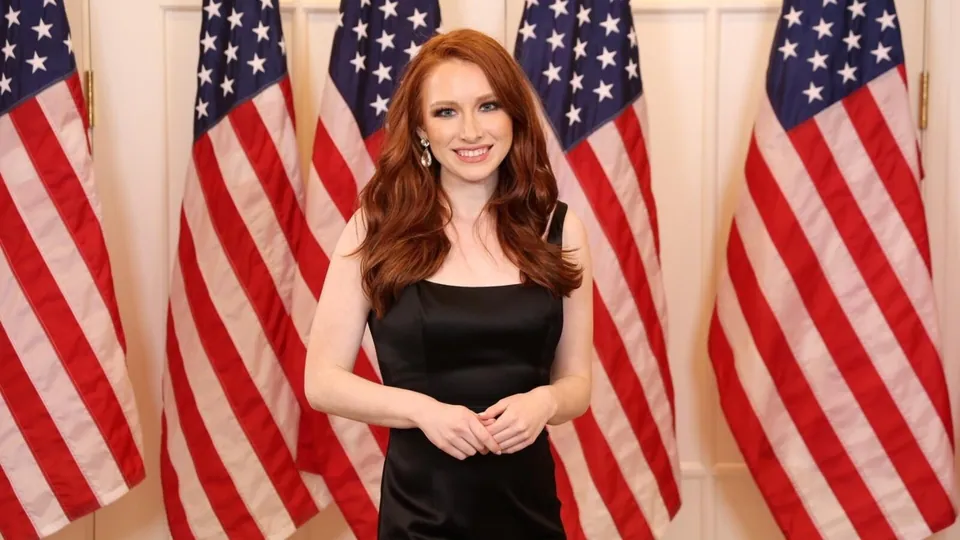
US President Donald Trump has indicated that the White House will not rush to appoint a new press secretary, even as the administration continues without a permanent replacement for Katie Zacharia. Instead, Trump has praised Principal Deputy Press Secretary Anna Kelly, saying she is doing a “good job” while suggesting that he is comfortable taking on a larger role in communicating directly with journalists.
In an interview with the New York Post, Trump said he already gives extensive access to the media and frequently answers reporters’ questions during public appearances, including when journalists gather around his aircraft. He argued that the absence of a permanent press secretary has not significantly affected his ability to communicate the administration’s position.
The vacancy has attracted attention because the White House has experienced multiple changes in its press operation. Karoline Leavitt, who previously served as press secretary, stepped down from the position. Her proposed replacement, Katie Zacharia, left shortly after taking the role amid questions about her professional credentials and claims that she had not taken the US bar examination.
For now, Kelly remains one of the administration’s prominent public-facing communications officials. Trump’s comments suggest that she will continue to play an important role while the president considers possible candidates for the permanent position.
Trump Says He Is in No Rush to Appoint a New Press Secretary
Trump’s comments indicate that filling the White House press secretary position is not currently among his most immediate priorities. Rather than announcing a search timeline or identifying a preferred candidate, the president said the administration had not needed a permanent replacement so far.
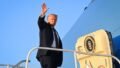
Speaking to the New York Post, Trump described himself as an accessible president who regularly interacts with journalists. He pointed to his habit of stopping to answer questions when reporters are gathered near the White House or around his aircraft.
“I give such access to the press. I see so much press, more than any president ever. I’ll stop at the wing of an aircraft where you have 100 people out there. Sometimes you know you have a big group out there. So I do a lot of press,” Trump said.
His comments reflect his preference for direct communication with reporters rather than relying entirely on a designated spokesperson to explain administration decisions. Trump frequently speaks to journalists during public events, travel and informal exchanges, making media interaction a visible part of his presidential communication style.
He also joked that operating without a permanent press secretary gives him fewer people to blame when a public statement does not go as intended.
“Instead of saying, ‘Oh, I wish you said it this way, that way,’ this way I can blame myself,” he said.
The remark suggested that Trump views the arrangement as an opportunity to retain greater control over his own messaging. However, the White House press secretary traditionally performs responsibilities that extend beyond answering questions at public appearances.
Why Trump Has Not Announced a Replacement for Katie Zacharia
The White House press secretary vacancy follows a series of personnel changes that have complicated the administration’s communications structure. Trump acknowledged that finding someone to replace Karoline Leavitt would not be straightforward, describing her performance as difficult to match.
“It’s tough to beat Karoline,” Trump said, according to the New York Post, while praising the former press secretary’s work.
Leavitt had become one of the most recognisable public representatives of Trump’s administration. Her role involved defending the president’s policies, responding to questions about controversial decisions and communicating the White House’s position during regular press briefings.
Her departure created an opening that the administration initially sought to fill with Katie Zacharia. However, Zacharia’s appointment quickly became controversial after questions emerged about her professional background.
What Happened to Katie Zacharia?
Katie Zacharia’s proposed appointment attracted scrutiny after reports raised questions about her description of herself as a lawyer and whether she had completed the requirements associated with legal qualification in the United States.
According to the reports surrounding her departure, Zacharia had not taken the US bar examination despite referring to herself as a lawyer. The issue prompted questions about how her professional credentials had been presented and whether they accurately reflected her qualifications.
The controversy became a distraction for the administration before she could establish herself in the role. She subsequently stepped down, leaving the White House without a permanent press secretary.
It is important to distinguish between completing legal education, taking a bar examination and receiving a licence to practise law. In the United States, the requirements for becoming a licensed attorney vary by jurisdiction, but passing the relevant bar examination is generally a central part of the process. A person who has studied law or graduated from a law school is not automatically authorised to practise as an attorney.
Zacharia’s brief tenure also highlighted the importance of verifying professional credentials before individuals are appointed to prominent government communications positions. A press secretary regularly represents the president and the administration in front of national and international media, making credibility an important part of the job.
Trump has not publicly indicated that the administration intends to make an immediate replacement appointment following her departure.
Trump Says Several Candidates Are Interested in the Job
Although Trump has not selected a permanent press secretary, he indicated that there are multiple people interested in taking the position.
“A lot of people want the job,” Trump said, adding that he had identified a few candidates he considered suitable. He also suggested that the administration had not faced an urgent need to fill the vacancy.
The president’s comments leave open the possibility that the White House could appoint a new spokesperson later, depending on its communications requirements and the availability of a preferred candidate.
Trump has also made jokes about possible choices for the position. At one point, he suggested UFC president and CEO Dana White for the job, an apparent reference to White’s public profile and close association with the president.
However, there has been no confirmed announcement that White is being seriously considered for the position. The suggestion should be understood as a joke rather than an official appointment plan.
The absence of a confirmed successor means that the administration’s public communications will continue to depend on Trump, Kelly and other members of the White House communications team.
Trump Praises Anna Kelly: Who Is the Deputy Press Secretary?
While Trump has not named a permanent replacement for Zacharia, he has publicly praised Anna Kelly, the administration’s Principal Deputy Press Secretary.
Asked about Kelly’s performance, Trump said, “She’s doing a good job.” The endorsement places Kelly in a prominent position as the White House continues to manage its media operation without a permanent press secretary.
Kelly has a background in Republican Party communications and political media strategy. Before joining the Trump administration, she held several communications positions within the Republican Party and worked in the US House of Representatives.
She studied at The George Washington University and Auburn University. Her professional experience includes roles at both state and national levels of Republican political organisations.
Her Work With the Republican National Committee
Kelly previously served as Wisconsin Communications Director for the Republican National Committee (RNC). She also worked as Communications Director for the Republican Party of Wisconsin, gaining experience in political messaging and media relations.
Her responsibilities in these positions involved communicating party positions, coordinating media engagement and supporting political campaigns and organisational activities.
Her experience at the state level was followed by a role in the US House of Representatives, where she worked as Communications Director for the office of Representative Derrick Van Orden.
From Congressional Communications to the White House
Kelly later became National Press Secretary of the Republican National Committee. The position placed her in a national communications role, where she was involved in presenting the party’s messages to journalists and responding to media coverage.
She subsequently joined the Trump administration as Principal Deputy Press Secretary. The role involves supporting the White House press operation and helping communicate administration policies and decisions.
Her experience across state Republican organisations, congressional communications and the RNC gives her familiarity with the political messaging structures that operate around the president and the Republican Party.
Trump’s public praise suggests that he is satisfied with her current performance. However, the president has not announced that Kelly will automatically become the permanent press secretary.
White House Communications Director Steven Cheung Defends the Current Arrangement
White House Communications Director Steven Cheung also supported Trump’s assessment that the administration has not faced major complaints about the absence of a permanent press secretary.
According to the New York Post, Cheung agreed with the president’s remarks, saying, “Nobody complains. You’re the most accessible president, most transparent.”
His response reinforced the administration’s argument that Trump’s direct engagement with journalists has helped maintain communication despite the vacancy.
However, accessibility and the formal responsibilities of a press secretary are not identical. A president can answer questions directly, but the press secretary also manages the daily relationship between the White House and the media.
The position typically involves organising press briefings, coordinating responses across government departments, preparing statements, addressing questions about policy decisions and communicating information during major domestic or international developments.
The press secretary also acts as an important link between the president’s office and journalists covering the administration. This function becomes especially important during emergencies, diplomatic developments and political controversies when reporters seek consistent and detailed answers.
Consequently, the current arrangement may allow Trump to maintain a high level of direct media engagement, but it does not necessarily eliminate the need for a permanent spokesperson.
What Does the White House Press Secretary Actually Do?
The White House press secretary is one of the most visible communications positions in the US federal government. The role is not simply to read prepared statements or defend the president during difficult interviews. It involves coordinating information and managing the administration’s public relationship with the media.
Some of the position’s key responsibilities include:
- Conducting press briefings: The press secretary regularly answers questions from journalists about presidential decisions, government policies and current developments.
- Explaining administration policy: The spokesperson communicates the White House’s official position on domestic and international issues.
- Coordinating government messaging: The press office works with other departments and agencies to ensure that information released by the administration is consistent.
- Responding to breaking news: During major events, the press secretary helps provide timely information and clarify the administration’s position.
- Managing media relations: The office handles requests from journalists, organises interviews and facilitates access to relevant officials.
- Addressing controversies: The press secretary responds to criticism, questions about government decisions and allegations involving the administration.
These responsibilities explain why the position can become particularly demanding during a politically turbulent period. The spokesperson must defend the president’s decisions while providing information that journalists and the public can scrutinise.
For the Trump administration, the job also involves navigating the president’s preference for direct communication and his frequent interactions with the media. A new press secretary would need to work within that approach while maintaining an organised and consistent communications operation.
Why Karoline Leavitt’s Departure Matters
Trump’s reference to Karoline Leavitt suggests that her departure has influenced the administration’s decision-making over the replacement. By describing her as difficult to beat, the president acknowledged the challenge of finding another spokesperson who could perform the role to his satisfaction.
Leavitt had become a prominent figure in the administration’s daily media engagement. Her press briefings often attracted attention because of her direct exchanges with journalists and her defence of Trump’s policies.
Her departure also created a transition problem for the communications team. A permanent press secretary needs to understand the president’s priorities, the administration’s policy positions and the political context behind major announcements.
Appointing someone quickly may fill the vacancy, but the White House must also consider whether the candidate can handle the demands of the position. Zacharia’s brief and controversial tenure may have reinforced the importance of making a carefully considered appointment.
Will Anna Kelly Become the Next White House Press Secretary?
Kelly’s public endorsement has naturally raised questions about whether she could eventually take over the position permanently. She already holds a senior role within the White House press operation and has experience in Republican Party communications.
However, Trump’s comments do not amount to a formal nomination or confirmation that Kelly will replace Zacharia. He praised her work but also said that he had several people in mind for the job.
There are practical reasons why the administration might continue relying on Kelly in the meantime. As Principal Deputy Press Secretary, she is already familiar with the White House communications structure and can support the president’s media operation without requiring an immediate organisational change.
Whether she becomes the permanent spokesperson will depend on the president’s decision. For now, the White House has not announced a confirmed appointment or a timetable for filling the vacancy.
What Trump’s Decision Means for the White House Media Strategy
Trump’s willingness to operate without a permanent press secretary reflects his established preference for direct engagement with journalists. His comments suggest that he believes frequent media interactions can serve as an effective way to communicate his views and defend administration decisions.
That approach also gives the president greater control over the timing and presentation of his public statements. Instead of relying exclusively on a spokesperson, he can respond to questions himself and address issues in his own words.
However, presidential media communication requires more than public appearances. A press secretary provides continuity, prepares responses, coordinates information and handles the daily demands of the White House press corps.
The administration will therefore need to balance Trump’s preference for direct access with the practical responsibilities of maintaining a fully functioning communications office.
For the moment, Trump appears comfortable delaying the appointment. His praise for Anna Kelly indicates confidence in the deputy press secretary’s work, while his comments about Karoline Leavitt and the failed transition involving Katie Zacharia help explain why he is not rushing to make another choice.
The next appointment, whenever it comes, will be closely watched because the White House press secretary is not only the administration’s principal spokesperson but also one of the most visible representatives of the president’s relationship with the American public and the media.
For breaking news and live news updates, like us on Facebook or follow us on Twitter and Instagram. Read more on Latest World on thefoxdaily.com.

COMMENTS 0