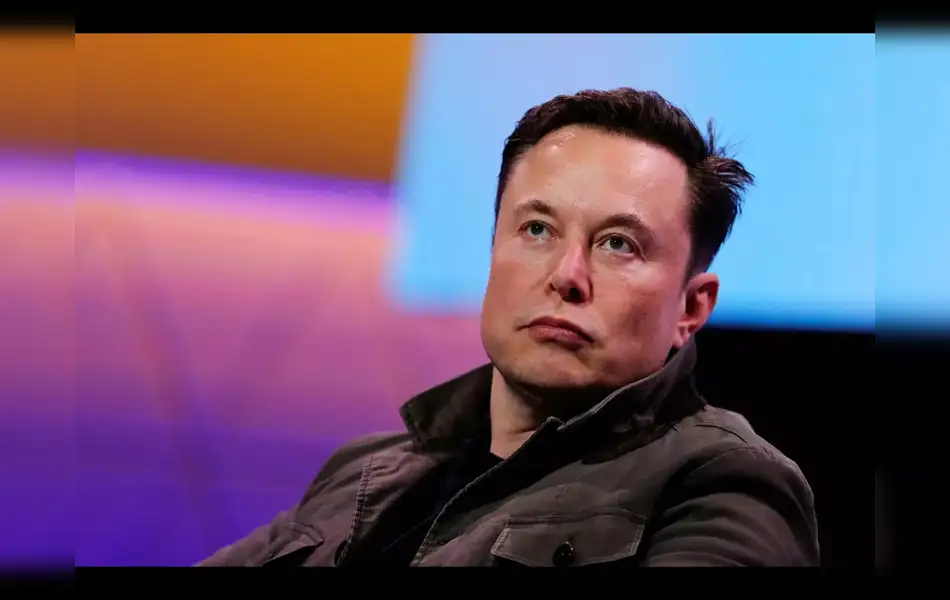
Elon Musk has voiced concerns about the possible political consequences of a Democratic victory in the 2028 United States presidential and congressional elections, warning that a sweeping win could fundamentally alter the country’s political balance.
The billionaire entrepreneur argued that Republicans must retain at least 51 seats in the US Senate to prevent Democrats from securing a prolonged advantage in national politics. His warning centred on three potential scenarios involving the expansion of statehood, immigration and the balance of power in the Senate.
Musk described the possible outcome in stark terms, suggesting that a Democratic sweep could threaten America’s democratic framework. His remarks reflect concerns about how changes to the country’s political representation could affect the balance between the two major parties.
Why Elon Musk is concerned about the 2028 elections
The 2028 elections are expected to determine control of the White House and influence the balance of power in Congress. Musk’s concerns focus on the possibility that Democrats could secure victories across multiple levels of government and use their political position to pursue changes that could strengthen their long-term electoral prospects.
At the centre of his argument is the US Senate, where each state currently elects two senators regardless of population. Musk believes that changes to the status of Washington, DC, and Puerto Rico could significantly affect the chamber’s political composition if both were admitted as states.
He also raised concerns about immigration and its potential influence on future electoral outcomes, arguing that demographic and political changes could contribute to a lasting Democratic advantage.
Three scenarios behind Musk’s warning
Musk’s concerns can be understood through three scenarios highlighted in his remarks. They involve potential changes to Senate representation, the political implications of immigration and the possibility of sustained Democratic control.
1. Statehood for Washington, DC
One of the scenarios involves Washington, DC, becoming a US state. The federal district currently does not have the same representation in Congress as the 50 states.
If Washington, DC, were admitted as a state, it would generally be entitled to two US senators under the constitutional framework governing Senate representation. Musk’s concern is that the new seats could strengthen the Democratic Party‘s position in the Senate.
Washington, DC, has a strong Democratic voting record, which is central to arguments that its admission could have significant consequences for the balance of power in Congress.
Supporters of statehood have argued that residents of the district should receive full congressional representation. Opponents have raised constitutional, political and institutional objections to changing its status.
2. Statehood for Puerto Rico
The second scenario concerns Puerto Rico, a US territory whose residents are US citizens but whose political representation differs from that of the states.
Puerto Rico does not currently have voting representation in the US Senate. If it became a state, it would gain two Senate seats, potentially changing the balance of power in Washington.
Musk’s concern is linked to the possibility that Puerto Rico’s admission could benefit Democrats. However, the island’s political landscape is more complex than a straightforward assumption that its future senators would automatically belong to one party.
The question of Puerto Rico’s political status has been debated for decades, with statehood, independence and alternative territorial arrangements among the options discussed.
3. Immigration and the possibility of prolonged Democratic dominance
The third scenario involves immigration and its potential effect on the future political balance of the United States.
Musk suggested that illegal immigration could influence the establishment of a stronger Democratic electoral position. His concern is connected to broader Republican arguments about immigration policy, population changes and the long-term political consequences of demographic shifts.
However, immigration does not automatically translate into votes for either political party. Non-citizens, including undocumented immigrants, cannot vote in federal elections. Naturalised citizens can vote if they meet the applicable registration and eligibility requirements.
Consequently, the relationship between immigration, demographic change and future election results is more complicated than a direct link between population growth and party control.
Why Musk says Republicans must retain 51 Senate seats
Musk’s warning places particular emphasis on the Republican Party retaining at least 51 seats in the Senate.
The Senate plays a central role in confirming presidential appointments, approving legislation and providing a check on the executive branch. Control of the chamber can therefore shape how much of a president’s political agenda can advance through Congress.
Musk’s argument is that Republicans need to preserve sufficient Senate representation to prevent Democrats from gaining the ability to make major structural changes that could strengthen their position in future elections.
The concern also reflects the importance of the Senate’s composition. Because every state receives two senators regardless of population, admitting additional states would increase the chamber’s total membership and could alter the balance between Republicans and Democrats.
What statehood could mean for the US Senate
The admission of Washington, DC, and Puerto Rico as states would have consequences beyond their residents gaining full representation in Congress.
Each new state would receive two Senate seats, increasing the chamber’s membership from its current 100 senators. The political affiliation of those new senators would then become relevant to the balance of power.
However, the outcome of future elections cannot be determined solely by the current political preferences of either territory. Party support can change, candidates can differ, and political conditions may evolve before any statehood proposal becomes law.
Statehood would also require a formal legislative process. Neither Washington, DC, nor Puerto Rico can become a state simply through a political announcement or an election result.
Is a Democratic landslide in 2028 inevitable?
Musk’s remarks describe a possible political scenario rather than an established outcome. The 2028 election results will depend on factors including candidates, voter turnout, economic conditions, public policy debates and developments between now and election day.
Similarly, the admission of Washington, DC, or Puerto Rico as states would require separate political and legislative decisions. Their future status remains a subject of debate, and neither proposal should be treated as an automatic consequence of a Democratic victory.
The relationship between immigration and party support is also subject to political, legal and demographic factors. Immigration status alone does not determine voting eligibility or political preference.
What Musk’s warning means for the 2028 political debate
Musk’s comments highlight several issues likely to remain part of the broader US political debate: the future status of Washington, DC, and Puerto Rico, immigration policy, Senate representation and the balance of power between the two major parties.
His argument is that a combination of these developments could give Democrats a lasting political advantage and make it harder for Republicans to regain influence in Congress.
For now, the scenarios remain political possibilities rather than confirmed developments. The 2028 election outcome, the future of statehood proposals and the composition of the Senate will depend on decisions and events that have yet to unfold.
For breaking news and live news updates, like us on Facebook or follow us on Twitter and Instagram. Read more on Latest World on thefoxdaily.com.






COMMENTS 0