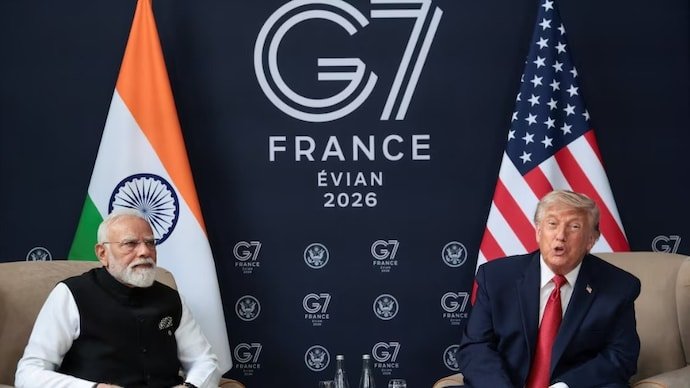
The United States Senate has begun considering a landmark bipartisan sanctions bill designed to tighten economic pressure on Russia over its ongoing war in Ukraine. Among its most closely watched provisions is a proposal that would allow the US President to impose tariffs of up to 100% on countries that continue purchasing substantial volumes of Russian oil and natural gas.
India and China two of the world’s largest importers of Russian crude since the Ukraine conflict reshaped Global energy markets are among the countries that could potentially be affected if the legislation is enacted and the tariff authority is exercised.
However, the proposed tariffs are not automatic. The Senate vote is only one step in the US legislative process, and the bill must still pass additional stages before becoming law. Even then, the legislation would give the US President discretion over whether, when, and how to impose the tariffs.
What Is the Proposed Russia Sanctions Bill?
The legislation, titled the “Lindsey O. Graham Sanctioning Russia and Iran Act of 2026,” aims to reduce Russia’s ability to finance its military operations by discouraging global purchases of Russian energy exports.
The bill also expands sanctions targeting Iran, reflecting Washington’s broader strategy of increasing economic pressure on governments it views as posing national security challenges.
If enacted, the legislation would authorize the US administration to impose significant trade penalties on countries that continue purchasing Russian oil and gas in large quantities.
Key Features of the Proposed Bill
| Provision | Details |
|---|---|
| Main Objective | Reduce Russia’s oil and gas revenue |
| Maximum Proposed Tariff | Up to 100% |
| Countries Potentially Affected | Major buyers of Russian energy, including India and China |
| Additional Measures | Expanded sanctions targeting Iran |
| Implementation | Subject to presidential discretion if the bill becomes law |
| Current Status | Under consideration in the US Senate |
Why Is India Mentioned?
India has become one of the largest purchasers of Russian crude oil since 2022. Following disruptions in global energy markets, Indian refiners significantly increased imports of discounted Russian oil to ensure affordable fuel supplies and strengthen national energy security.
Because of these purchases, India is frequently identified in discussions surrounding proposed US sanctions targeting Russian energy exports.
The legislation reportedly includes countries that remain major consumers of Russian oil and gas, placing India among those that could face potential trade consequences if the bill is enacted.
Why India Continues Buying Russian Oil
India imports the majority of its crude oil requirements, making energy affordability and supply diversification critical priorities.
Several factors have contributed to increased imports from Russia:
- Competitive pricing compared with other suppliers.
- Stable availability of crude oil.
- Support for domestic fuel demand.
- Improved refining economics.
- Diversification of energy sources.
Indian officials have consistently stated that the country’s energy purchasing decisions are based on national economic interests and energy security considerations.
How Could the Proposed Tariffs Work?
The legislation would not immediately impose tariffs on countries purchasing Russian oil.
Instead, it would grant the US President authority to impose tariffs of up to 100% if specific conditions are met.
Several important points remain:
- The bill has not yet become law.
- congress must complete the legislative process.
- The President would retain discretion over implementation.
- Tariffs could potentially be modified, delayed, or waived depending on policy decisions.
This means that no immediate tariff changes would occur simply because the Senate advances the legislation.
How the Bill Moves Through Congress
| Legislative Stage | Status |
|---|---|
| Senate Consideration | Currently underway |
| Senate Approval | Required before moving forward |
| House of Representatives | Must also approve the bill |
| Presidential Action | Required before the bill becomes law |
| Implementation | Subject to executive discretion |
What Does the Bill Aim to Achieve?
The proposal seeks to reduce Russia’s revenue from oil and gas exports, which remain a major source of government income.
Supporters argue that limiting international purchases of Russian energy could:
- Reduce funding available for Russia’s military operations.
- Increase economic pressure on Moscow.
- Encourage countries to diversify energy imports.
- Strengthen sanctions already imposed by Western nations.
The legislation also proposes additional sanctions intended to limit Iran’s financial capacity to support activities opposed by the United States.
Why the Bill Matters Beyond Russia
The proposed legislation highlights the growing connection between international trade, energy security, and geopolitics.
For countries like India, the proposal is significant because it could influence:
- Future energy sourcing strategies.
- Trade negotiations with the United States.
- Global oil market dynamics.
- Diplomatic relations involving major energy suppliers.
Even if tariffs are never imposed, the legislation signals continued US efforts to reshape global energy trade.
Challenges Facing the Legislation
Although the bill has bipartisan support, it has also generated debate among lawmakers.
Some legislators have expressed concerns that granting broad tariff authority to the President could:
- Affect strategic US allies.
- Increase costs for American businesses.
- Lead to higher consumer prices.
- Create uncertainty in international trade.
These concerns may influence the bill’s progress as it moves through Congress.
Comparison: Earlier Proposal vs Current Version
| Feature | Earlier Proposal | Current Proposal |
|---|---|---|
| Maximum Tariff | Up to 500% | Up to 100% |
| Focus | Russian energy buyers | Russian energy buyers plus expanded Iran sanctions |
| Presidential Authority | More limited | Greater implementation flexibility |
| Status | Earlier draft | Under Senate consideration |
Could India Avoid the Tariffs?
At this stage, no country has been formally designated for tariffs under the proposed legislation because it has not yet become law.
Even if enacted, implementation would depend on presidential decisions and future diplomatic developments.
Given the strong strategic partnership between India and the United States including cooperation in defense, technology, trade, and the Indo-Pacific future policy decisions would likely take broader bilateral relations into account.
Any exemptions, waivers, or phased implementation would depend on the final language of the legislation and subsequent executive actions.
Potential Impact on Global Oil Markets
Russia remains one of the world’s largest exporters of crude oil and natural gas. Any measures that discourage purchases of Russian energy could influence:
- International crude oil prices.
- Shipping routes and logistics.
- Refining margins.
- Energy investment decisions.
- Global supply chains.
Market reactions would also depend on production levels from other oil-exporting countries and overall global energy demand.
Expert Insight: Energy Trade Is Becoming a Strategic Foreign Policy Tool
Energy has evolved beyond a purely commercial commodity into a central element of international diplomacy and national security. Governments increasingly use trade restrictions, sanctions, and tariffs to influence geopolitical outcomes.
For energy-importing economies like India, maintaining affordable and diversified energy supplies remains essential for economic growth. At the same time, growing geopolitical tensions require careful balancing of strategic partnerships with major global powers.
The proposed legislation reflects a broader trend in which energy policy, trade policy, and foreign policy are becoming increasingly interconnected.
What Happens Next?
The Senate’s consideration of the bill does not immediately change US trade policy. Before any new tariffs or sanctions could take effect, the legislation must complete the remaining legislative process and receive presidential approval.
If enacted, the administration would then determine how and when to exercise the powers granted under the law.
Governments, businesses, and global energy markets will continue monitoring developments closely, particularly regarding implementation guidelines and any exemptions for strategic partners.
Future Outlook
The proposed Russia sanctions bill represents one of the most significant recent attempts by the United States to reshape global energy trade through economic measures. Whether it ultimately becomes law will depend on congressional approval and political negotiations in Washington.
For India, the proposal reinforces the importance of maintaining a diversified energy strategy while continuing diplomatic engagement with key international partners. Although the immediate impact remains uncertain, the legislation underscores how closely energy security and geopolitics are now linked in today’s global economy.
Conclusion
The US Senate‘s consideration of a sanctions bill authorizing tariffs of up to 100% on major buyers of Russian energy marks a significant development in Washington’s approach to economic pressure on Moscow. India and China are among the countries that could potentially be affected, but the legislation remains far from becoming law, and any tariffs would depend on future congressional approval and presidential decisions.
As global energy markets continue adapting to geopolitical tensions, the proposed legislation highlights the growing role of trade policy in international diplomacy. While uncertainty remains over the bill’s final outcome, its progress will be closely watched by governments, businesses, and energy markets worldwide.
For breaking news and live news updates, like us on Facebook or follow us on Twitter and Instagram. Read more on Latest World on thefoxdaily.com.




COMMENTS 0