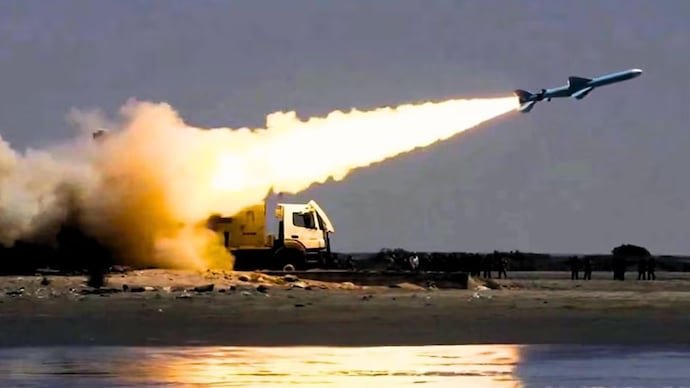
The Middle East has entered one of its most dangerous periods in recent years as fresh military exchanges between the United States and Iran expand beyond direct confrontation and begin drawing neighboring Gulf nations into the Conflict. The latest developments involving Kuwait, Bahrain, the Strait of Hormuz, and key Iranian military positions have heightened fears that the region could be moving toward a wider and more unpredictable war.
What began as a military standoff between Washington and Tehran has increasingly evolved into a geopolitical crisis with global implications. At stake are not only regional Security and diplomatic relations but also energy supplies, international trade routes, shipping networks, and economic stability across the world.
The latest escalation comes at a particularly sensitive moment, as indirect negotiations remain stalled, oil markets remain volatile, and businesses worldwide continue to deal with the aftereffects of supply chain disruptions caused by earlier geopolitical crises.
The question facing policymakers today is no longer whether the conflict will affect the global economy. The real concern is how severe those consequences could become if the confrontation continues to expand.
Why the Strait of Hormuz Is One of the World’s Most Strategic Waterways
To understand the significance of the latest developments, it is important to understand the strategic importance of the Strait of Hormuz.
The narrow waterway connects the Persian Gulf to international shipping routes and has long been considered one of the most critical energy chokepoints on Earth. For decades, Gulf nations have relied on the strait to transport crude oil, liquefied natural gas, and petroleum products to global markets.
Any disruption in the area immediately attracts international attention because a significant portion of global energy trade traditionally passes through this route.
When tensions rise around Hormuz, markets typically respond with concerns about energy supplies, transportation costs, insurance premiums for shipping companies, and broader economic uncertainty.
Even temporary interruptions can create ripple effects that reach consumers thousands of miles away through higher fuel costs and inflationary pressures.
What Triggered the Latest Escalation?
The recent crisis intensified after US military forces reportedly intercepted Iranian drones near maritime routes and subsequently carried out strikes against Iranian coastal surveillance and radar facilities.
American officials argued that the drones posed a threat to commercial shipping and regional maritime security. According to military statements, the strikes targeted infrastructure used to monitor activity in and around the Strait of Hormuz.
Iran viewed the operation as a direct attack on its sovereign military assets and responded with retaliatory actions targeting locations associated with the US military presence in the Gulf.
The result was a rapid escalation cycle in which both sides sought to demonstrate strength while avoiding the appearance of backing down.
Why Kuwait and Bahrain Suddenly Found Themselves on the Frontline
One of the most alarming aspects of the latest developments is the involvement of Kuwait and Bahrain.
Both countries host important US military facilities and have long played significant roles in regional security arrangements. As tensions between Washington and Tehran intensified, these Gulf nations found themselves increasingly vulnerable to becoming targets in a broader confrontation.
Reports of missile and drone attacks, air defense interceptions, and emergency alerts have heightened concerns about regional stability.
For Gulf governments, the situation highlights a difficult reality. While many maintain strategic partnerships with the United States, they also have strong economic and geographic reasons to avoid becoming direct participants in a large-scale regional conflict.
Their primary objective remains preventing the conflict from spreading across the Gulf and disrupting regional economic activity.
The Bigger Picture: Iran’s Strategy in the Gulf
Iran’s actions cannot be viewed solely through the lens of immediate military retaliation.
For years, Tehran has regarded control and influence over the Strait of Hormuz as a critical strategic asset. The waterway provides Iran with significant leverage because any instability there has the potential to impact global energy markets.
Iranian leaders have frequently argued that economic Sanctions, restrictions on oil exports, and pressure campaigns leave the country with limited options for responding to international pressure.
By demonstrating its ability to affect maritime traffic and regional security, Tehran seeks to strengthen its negotiating position while signaling that continued pressure carries costs for the international community.
This strategy has made Hormuz one of the most sensitive geopolitical flashpoints in the world.
How the Conflict Is Affecting Global Energy Markets
Energy markets react quickly to uncertainty, and the latest developments have reinforced concerns about future supply disruptions.
Oil prices are influenced not only by actual shortages but also by expectations of future risks. When traders fear disruptions in production or transportation, prices often rise even before supplies are affected.
The current crisis has revived concerns about:
- Shipping disruptions in the Gulf.
- Higher insurance costs for tankers.
- Potential damage to energy infrastructure.
- Reduced oil exports.
- Longer transportation routes.
- Global inflationary pressures.
For energy-importing nations, prolonged instability in the Gulf could increase economic pressures at a time when many economies are still recovering from previous global disruptions.
The Economic Impact Extends Beyond Oil
Although energy receives most of the attention, the economic consequences of a prolonged conflict would extend much further.
Modern global supply chains depend on reliable maritime transportation. Any disruption to major shipping routes can affect manufacturing, retail, food supplies, and industrial production.
Higher transportation costs eventually translate into higher consumer prices.
Businesses that rely on international trade may face increased uncertainty, delayed deliveries, and additional operational costs.
This is why governments and international organizations closely monitor developments around strategic waterways such as the Strait of Hormuz.
Diplomatic Talks Remain Stalled
Despite ongoing efforts to negotiate a temporary arrangement, diplomatic progress has remained limited.
Both Washington and Tehran continue to maintain positions that reflect fundamentally different strategic priorities.
Iran seeks relief from economic pressure, greater access to oil revenues, and recognition of its regional interests. The United States, meanwhile, remains focused on security concerns, regional stability, and limiting activities it views as destabilizing.
The absence of a breakthrough has allowed military developments to increasingly shape the direction of events.
History shows that prolonged diplomatic deadlock often increases the risk of miscalculation, particularly when military forces operate in close proximity.
The Role of Regional Powers
The conflict is no longer a purely bilateral dispute.
Countries across the Middle East are carefully monitoring developments because the consequences of escalation would be felt throughout the region.
Gulf states face the challenge of maintaining strategic partnerships while avoiding direct involvement in military confrontations. Meanwhile, regional actors continue to pursue diplomatic initiatives aimed at reducing tensions.
Efforts by third-party mediators underscore the widespread recognition that a broader war would carry enormous political, economic, and humanitarian costs.
However, successful mediation becomes increasingly difficult as military exchanges intensify.
Why Global Food Security Could Be Affected
One of the less discussed consequences of rising energy prices is their impact on food security.
Modern agriculture depends heavily on fuel for transportation, irrigation, fertilizers, processing, and distribution.
When energy costs increase significantly, food production and transportation become more expensive.
Developing countries are often the most vulnerable because they spend a larger share of household income on food and energy.
As a result, a conflict centered thousands of kilometers away can ultimately affect food affordability and economic stability in regions far removed from the battlefield.
Lebanon and the Risk of Multiple Fronts
Another factor increasing concerns is the possibility of the conflict spreading through allied groups and regional networks.
Renewed fighting involving Hezbollah and Israel demonstrates how tensions in one theater can quickly influence other areas of the Middle East.
The existence of multiple active flashpoints increases the complexity of diplomatic efforts and raises the risk of unintended escalation.
If several fronts become active simultaneously, managing the crisis becomes significantly more difficult for all parties involved.
This is one reason international observers are increasingly warning about the dangers of a regionalized conflict.
A Comparison With Previous Gulf Crises
| Factor | Previous Gulf Crises | Current Situation |
|---|---|---|
| Energy Dependence | High | Still Significant |
| Global Supply Chains | Less Integrated | Highly Interconnected |
| Drone Technology | Limited Role | Major Factor |
| Information Warfare | Traditional Media | Real-Time Social Media |
| Economic Impact | Regional Focus | Immediate Global Effects |
Unlike earlier confrontations, today’s interconnected global economy means that even limited military actions can generate worldwide economic consequences within days.
What Happens Next?
Several scenarios remain possible.
The most optimistic outcome would involve successful diplomatic intervention leading to a reduction in military activity and a gradual return to negotiations.
A second possibility is a prolonged period of limited confrontation involving intermittent strikes, maritime disruptions, and ongoing economic pressure.
The most dangerous scenario would involve further regional expansion, drawing additional countries and armed groups into the conflict.
At present, governments across the world are working to prevent events from moving toward the third scenario.
Conclusion
The latest military exchanges involving the United States, Iran, Kuwait, Bahrain, and the Strait of Hormuz mark a significant escalation in an already volatile conflict. What began as a dispute involving security concerns and strategic interests has evolved into a crisis with implications for global energy markets, international trade, food security, and regional stability.
The Strait of Hormuz remains at the center of the confrontation because of its unparalleled importance to global commerce. As long as tensions persist, markets, governments, and businesses will continue to monitor every development closely.
While Diplomacy remains the most viable path toward de-escalation, the current trajectory highlights how fragile regional stability has become. The coming weeks may determine whether the Gulf moves back toward negotiation or further into a confrontation that could reshape the geopolitical landscape of the Middle East for years to come.
For breaking news and live news updates, like us on Facebook or follow us on Twitter and Instagram. Read more on Latest World on thefoxdaily.com.






COMMENTS 0