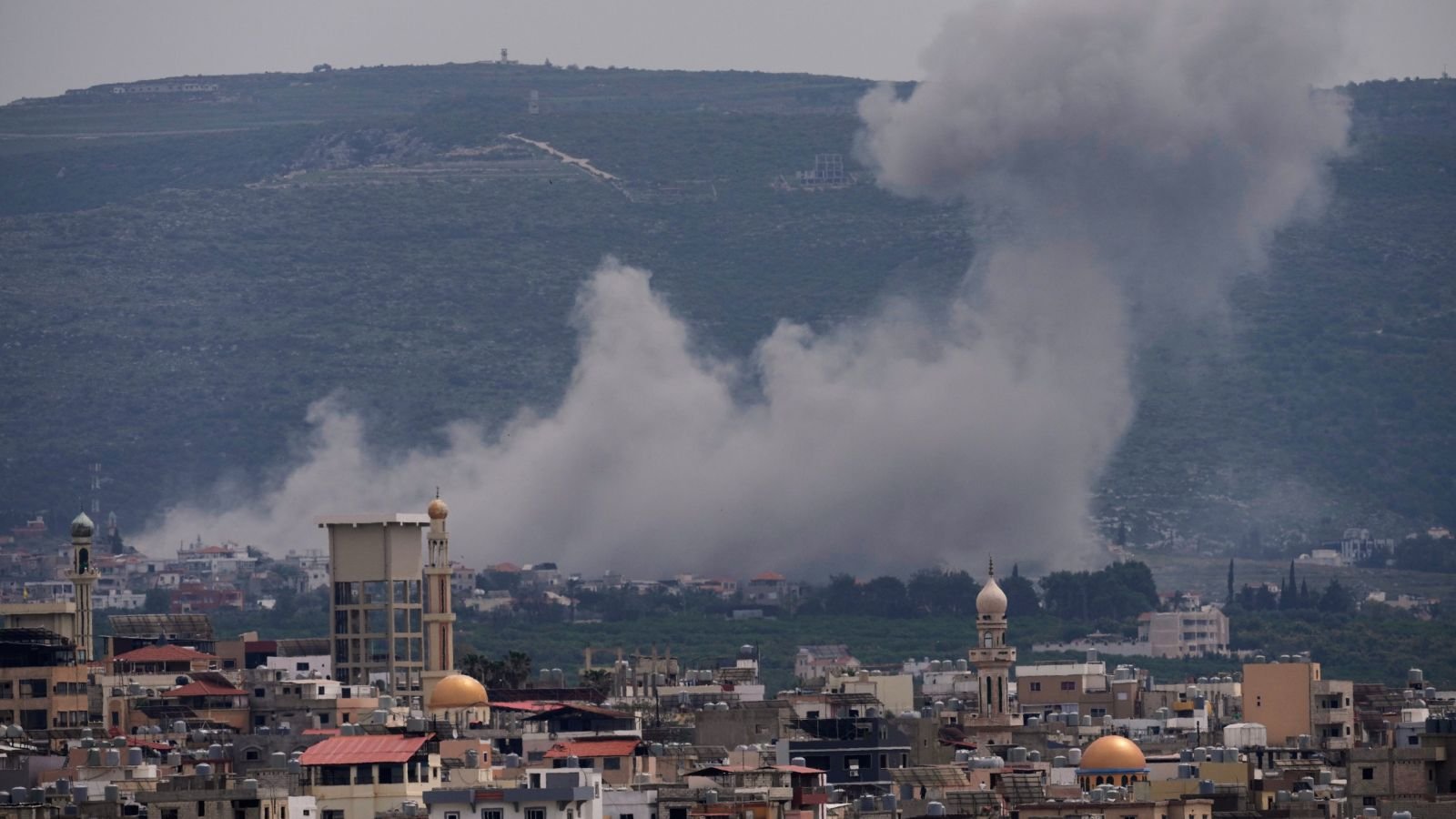
The Middle East has entered another dangerous phase after Iran launched a drone attack targeting Bahrain and a commercial tanker was struck in the Strait of Hormuz just hours after the United States carried out airstrikes on Iranian military facilities. The rapid sequence of military actions has raised concerns that the fragile ceasefire agreed only days earlier may be unraveling, bringing renewed uncertainty to one of the world’s most strategically important regions.
The developments are being closely watched by governments, energy companies and financial markets because the Strait of Hormuz is the world’s most critical maritime oil corridor. Nearly one-fifth of globally traded crude oil moves through the narrow waterway, meaning even temporary disruptions can influence fuel prices, shipping insurance costs and global inflation. For major energy importers such as India, China, Japan and South Korea, prolonged instability could have direct economic consequences.
What Happened? A Timeline of the Latest Escalation
The current crisis unfolded within hours, highlighting how quickly tensions can escalate in the Gulf region.
| Timeline | Development |
|---|---|
| Late Friday | The United States launched airstrikes on Iranian missile sites, drone facilities and coastal radar installations. |
| Saturday Morning | Iran announced retaliatory military action against US-linked targets. |
| Same Day | Bahrain reported that Iranian drones targeted the kingdom. |
| Hours Later | A commercial tanker was attacked in the Strait of Hormuz, increasing fears over maritime security. |
| Ongoing | Diplomatic efforts continue despite growing concerns that the ceasefire could collapse completely. |
The speed of these events illustrates how quickly regional disputes can spill over into international trade and security.
Why Bahrain Became a Target
Bahrain occupies a unique strategic position in the Gulf. The island nation hosts the headquarters of the United States Navy’s Fifth Fleet, making it one of Washington’s most important military bases in the Middle East.
The Fifth Fleet oversees naval operations across the Persian Gulf, the Arabian Sea, the Gulf of Oman and parts of the Indian Ocean. It plays a central role in protecting commercial shipping, conducting maritime patrols and responding to regional security threats.
Because of this military presence, Bahrain has long been viewed by Iran as one of America’s key regional partners. Any attack directed toward Bahrain therefore carries significance beyond the country itself, sending a broader geopolitical message regarding US military influence in the Gulf.
Understanding the Strategic Importance of the Strait of Hormuz
The Strait of Hormuz is frequently described as the world’s most important energy chokepoint. At its narrowest point, the waterway is only a few dozen kilometers wide, yet it serves as the primary export route for oil producers including Saudi Arabia, Iraq, Kuwait, the United Arab Emirates, Qatar and Iran.
Millions of barrels of crude oil and liquefied natural gas pass through the strait every day.
| Why the Strait of Hormuz Matters | Global Impact |
|---|---|
| Major oil export route | Supports global energy markets |
| Critical LNG shipments | Supplies Asian and European markets |
| International shipping lane | Supports global trade beyond energy |
| Strategic military corridor | Patrolled by several international naval forces |
Even isolated attacks on commercial vessels increase shipping risks, causing insurers to raise premiums and shipping companies to alter routes or delay sailings.
Why the Ceasefire Is Now in Doubt
The latest military exchanges have placed enormous pressure on the recently negotiated ceasefire between Iran and the United States.
Washington argues that Iran violated the agreement through attacks on commercial shipping and regional targets. Tehran, meanwhile, accuses the United States of breaching international commitments by launching fresh military strikes against Iranian military infrastructure.
When both sides believe the other has violated an agreement, diplomatic progress becomes significantly more difficult. Such situations often lead to cycles of retaliation in which each action is justified as a response rather than an escalation.
Iran’s Strategy: Calibrated Pressure Rather Than Full-Scale War?
Military analysts have frequently observed that Iran often employs what is known as “calibrated escalation.” Instead of launching conventional large-scale warfare, Tehran has historically relied on drones, missile capabilities, proxy groups and maritime pressure to influence regional dynamics.
This strategy allows Iran to demonstrate military capability while attempting to avoid an immediate all-out conflict with the United States or its allies.
Whether the latest attacks represent another example of calibrated pressure or the beginning of a broader confrontation will largely depend on how Washington and regional governments respond in the coming days.
The US Response and Strategic Objectives
The United States maintains that its recent airstrikes were intended to protect commercial shipping and deter future attacks on maritime traffic.
American military planners have repeatedly emphasized the importance of ensuring freedom of navigation through international waterways. Maintaining secure shipping routes is considered vital not only for the US economy but also for global energy security and international trade.
US officials have simultaneously continued urging Iran to return to diplomatic negotiations while warning that further attacks will invite additional military responses.
How Commercial Shipping Is Being Affected
Shipping companies closely monitor every security incident in the Gulf because even limited attacks increase operational costs.
Among the immediate consequences are:
- Higher marine insurance premiums.
- Increased freight charges.
- Longer voyage planning.
- Additional naval escorts in high-risk areas.
- Potential delays for global energy deliveries.
Although commercial shipping continues through the Strait of Hormuz, confidence has weakened considerably following repeated attacks on merchant vessels.
Why India Is Watching the Crisis Closely
India is among the world’s largest crude oil importers, making developments in the Gulf particularly important.
A significant portion of India’s imported crude originates from Gulf producers whose exports travel through the Strait of Hormuz.
If instability continues, India could face several challenges:
- Higher crude oil import costs.
- Increased transportation expenses.
- Pressure on domestic fuel prices.
- Rising inflation across multiple sectors.
- Greater uncertainty for manufacturing and logistics industries.
India has diversified its energy suppliers in recent years, including increasing imports from countries outside the Gulf. However, the Strait of Hormuz remains one of the most critical maritime routes supporting India’s energy security.
The Economic Ripple Effect Extends Beyond Oil
While energy markets receive the greatest attention, disruptions in the Gulf affect many other sectors.
Global supply chains depend on predictable shipping schedules. Increased Maritime Security risks can delay deliveries of industrial goods, chemicals, fertilizers and manufactured products. These disruptions eventually affect businesses and consumers worldwide.
Financial markets also react quickly to geopolitical uncertainty. Oil price volatility often influences stock markets, currencies and investor confidence, particularly in emerging economies that rely heavily on imported energy.
Could Nuclear Negotiations Collapse?
One of the biggest concerns surrounding the latest escalation is its potential impact on ongoing diplomatic negotiations over Iran’s nuclear programme.
Negotiators have been working toward a broader agreement involving sanctions relief, nuclear monitoring and regional security arrangements. Military confrontations complicate these discussions because political leaders face increasing domestic pressure to adopt tougher negotiating positions.
If Diplomacy stalls completely, the region could enter a prolonged period of heightened military tension with few opportunities for compromise.
Regional Powers Face Difficult Choices
Countries across the Gulf now face the challenge of balancing security concerns with economic stability.
Many regional governments seek to prevent military escalation while protecting vital energy infrastructure and maintaining commercial confidence.
Several Gulf states have invested heavily in becoming global logistics and financial hubs. Sustained regional conflict could undermine these ambitions by discouraging investment and increasing security risks.
Comparison: Why This Crisis Differs From Previous Hormuz Tensions
| Earlier Incidents | Current Situation |
|---|---|
| Isolated tanker attacks | Military exchanges involving both Iran and the United States |
| Limited regional escalation | Direct impact on a recent ceasefire agreement |
| Shipping disruptions | Shipping disruptions combined with diplomatic uncertainty |
| Short-term oil volatility | Potential long-term geopolitical and economic consequences |
The combination of military operations, diplomatic setbacks and attacks on commercial shipping makes this episode particularly significant compared with earlier maritime incidents.
The Overlooked Issue: Insurance and Global Trade Costs
One consequence often overlooked in headline coverage is the insurance industry.
Every attack on commercial shipping increases risk assessments for vessels operating in the Gulf. Higher insurance costs are eventually passed through the global supply chain, contributing to increased prices for transported goods.
This means geopolitical instability can affect consumers thousands of kilometers away, even if they have no direct connection to the Middle East.
Possible Scenarios in the Coming Weeks
Several outcomes remain possible.
- Diplomatic negotiations resume successfully, preventing wider conflict.
- Limited military exchanges continue without escalating into full-scale war.
- Shipping security improves through expanded international naval patrols.
- Oil prices remain volatile while markets await political clarity.
- A broader regional confrontation emerges if retaliatory attacks continue.
The direction of the crisis will depend largely on political decisions rather than purely military capabilities.
Conclusion
Iran’s reported drone attack on Bahrain and the attack on a commercial tanker in the Strait of Hormuz represent far more than isolated military incidents. They signal the growing fragility of the recently established US-Iran ceasefire and highlight the strategic importance of one of the world’s busiest maritime corridors.
Beyond the immediate security concerns, the crisis has implications for global energy markets, international shipping, inflation, diplomatic negotiations and regional stability. For countries like India, whose economy relies heavily on secure energy supplies, developments in the Gulf will remain closely monitored.
The coming weeks are likely to determine whether the current confrontation evolves into another prolonged regional crisis or whether renewed diplomacy can restore confidence in one of the world’s most strategically vital regions. Regardless of the outcome, the Strait of Hormuz will continue to remain at the center of global geopolitical calculations, influencing energy security, international commerce and foreign policy decisions far beyond the Middle East.
For breaking news and live news updates, like us on Facebook or follow us on Twitter and Instagram. Read more on Latest World on thefoxdaily.com.






COMMENTS 0