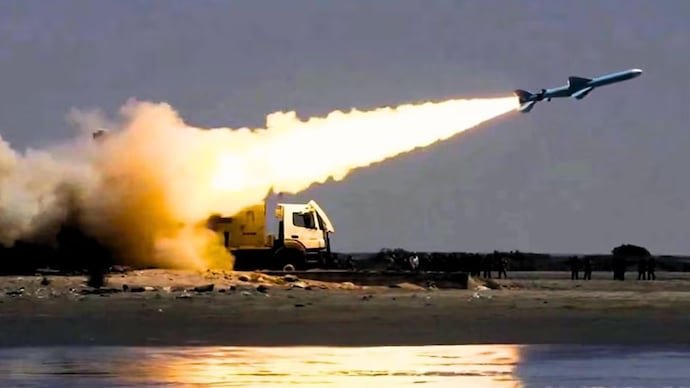
The conflict between the United States and Iran entered another dangerous phase after Washington launched a fresh round of airstrikes against Iranian military infrastructure, while Tehran responded by targeting Bahrain and Kuwait with missile attacks. The latest exchange marks one of the most significant escalations in the crisis so far, expanding military activity beyond the two principal adversaries and increasing fears that the conflict could evolve into a broader regional war.
Beyond the battlefield, the confrontation is already affecting global markets, maritime trade, and Energy Security. oil prices climbed sharply as uncertainty surrounding the Strait of Hormuz continued to disrupt one of the world’s most important shipping routes, while governments across the Middle East strengthened air defence measures amid growing concerns over further missile attacks.
What Happened in the Latest Escalation?
The United States carried out another series of overnight airstrikes targeting Iranian military facilities following the reported death of an American service member in Iraq. According to US military officials, the operation focused on command centres, air defence installations, missile and drone launch sites, coastal surveillance systems, communications networks, and maritime capabilities linked to Iran’s military operations.
Iran responded by launching missile attacks toward Bahrain and Kuwait, prompting both countries to activate their air defence systems. Bahraini authorities issued missile warning alerts, while Kuwait confirmed that defensive systems intercepted incoming aerial threats.
The exchange represents another expansion of the conflict, with Gulf nations increasingly exposed to direct military risks.
Why Bahrain and Kuwait Are Strategically Important
Bahrain and Kuwait play significant roles in regional security and host key military facilities supporting allied operations in the Middle East.
Their strategic importance stems from several factors:
- Presence of important military bases.
- Location near major shipping routes.
- Close cooperation with regional and international security partners.
- Critical role in Gulf security architecture.
- Proximity to the Strait of Hormuz.
Missile attacks directed toward these countries increase the likelihood of broader regional involvement and heighten concerns about the security of neighbouring states.
US Military Campaign Expands
According to official statements, the latest operation marked another consecutive night of US military strikes aimed at reducing Iran’s operational capabilities.
The targeted facilities reportedly included:
- Military command centres.
- Integrated air defence systems.
- Coastal surveillance installations.
- Missile launch facilities.
- Drone infrastructure.
- Military communications networks.
Military analysts note that these objectives are intended to reduce Iran’s ability to coordinate missile attacks, monitor maritime activity, and support long-range military operations.
Iran’s Strategy Appears Focused on Regional Pressure
Rather than responding solely against US military assets, Iran has increasingly demonstrated a broader regional strategy by targeting allied countries and threatening key maritime corridors.
This approach allows Tehran to increase military pressure across multiple fronts while forcing neighbouring governments to strengthen defensive measures.
Regional defence systems have consequently remained on heightened alert as authorities prepare for the possibility of additional missile and drone attacks.
The Strait of Hormuz Remains the Conflict’s Most Critical Flashpoint
The Strait of Hormuz continues to dominate international attention because of its importance to global energy markets.
Before the conflict intensified, approximately one-fifth of the world’s traded crude oil passed through the narrow waterway connecting the Persian Gulf to international shipping routes.
Any disruption affects:
- Global oil exports.
- Liquefied natural gas shipments.
- Commercial shipping.
- Marine insurance costs.
- International supply chains.
Reports of a vessel catching fire near the Strait of Hormuz further highlighted the increasing security risks facing commercial shipping operating in the region.
| Why the Strait of Hormuz Matters | Global Significance |
|---|---|
| Major oil transportation route | Supports global energy markets |
| Strategic maritime corridor | Essential for international trade |
| Critical shipping lane | Connects Gulf producers to global buyers |
| Regional security hotspot | Influences military deployments |
| Economic importance | Affects fuel prices worldwide |
Oil Prices Rise as Energy Markets React
Financial markets responded quickly to the latest escalation, with Brent crude oil trading above USD 90 per barrel as investors assessed the potential impact on future supplies.
Higher oil prices often have widespread consequences beyond energy markets, including:
- Rising transportation costs.
- More expensive fuel for consumers.
- Higher manufacturing expenses.
- Increased logistics costs.
- Additional inflationary pressure on national economies.
Countries that depend heavily on imported energy may face greater economic challenges if disruptions continue.
Diplomatic Efforts Face Increasing Challenges
Although military operations have intensified, diplomatic efforts have not completely ended. US officials have reiterated that negotiations remain possible if meaningful discussions resume.
The interim agreement intended to create conditions for a broader settlement has now passed its midpoint, but recent military exchanges have reduced optimism about near-term progress.
History has shown that sustained military escalation often makes diplomatic breakthroughs more difficult, as both sides become increasingly reluctant to make political concessions.
Humanitarian Concerns Continue to Grow
The conflict is affecting not only military personnel but also civilian populations across the region.
Damage to infrastructure, transportation networks, and public services can significantly affect daily life, healthcare, water supplies, electricity distribution, and economic activity.
International humanitarian law seeks to protect civilian infrastructure unless it is being used for military purposes. Even in such circumstances, military operations are expected to minimize civilian harm wherever possible.
Modern Warfare Extends Beyond Traditional Battlefields
The current conflict demonstrates how modern military campaigns increasingly combine conventional airstrikes with drones, missile attacks, cyber capabilities, and maritime operations.
Today’s conflicts often focus on disrupting strategic infrastructure rather than capturing territory alone. Command centres, communication networks, logistics hubs, and energy facilities have become essential targets because of their importance to long-term military operations.
This evolution is influencing defence planning around the world as governments invest in integrated air defence systems, electronic warfare capabilities, and infrastructure protection.
Comparison: Strategic Priorities of Both Sides
| United States | Iran |
|---|---|
| Protect military personnel and allies | Maintain regional deterrence |
| Reduce missile and drone capabilities | Project influence across the region |
| Secure maritime trade routes | Challenge external military presence |
| Support Gulf security | Preserve strategic leverage |
| Maintain diplomatic options | Respond without appearing weakened |
Global Economic Implications
The consequences of the conflict extend well beyond the Middle East. Higher shipping costs, increased insurance premiums, and volatile energy prices can affect businesses and consumers worldwide.
Manufacturers, airlines, shipping companies, and import-dependent economies may experience higher operating costs if instability around the Strait of Hormuz persists.
Financial markets are also likely to remain sensitive to any further developments involving energy infrastructure or commercial shipping routes.
What Could Happen Next?
Military analysts expect both sides to continue balancing military operations with diplomatic messaging. Additional strikes, increased naval deployments, and enhanced regional air defence measures remain possible if tensions continue to rise.
International mediation efforts are also expected to intensify as governments seek to prevent further escalation that could draw additional countries into the conflict.
The future direction of the crisis will largely depend on military decisions, diplomatic engagement, and the willingness of all parties to avoid actions that could trigger an even broader regional confrontation.
Conclusion
The latest exchange between the United States and Iran marks another significant escalation in an already volatile regional conflict. US airstrikes targeting Iranian military infrastructure, combined with Iranian missile attacks on Bahrain and Kuwait, demonstrate how rapidly the confrontation is expanding beyond its original scope.
At the same time, disruptions around the Strait of Hormuz continue to affect global energy markets, pushing oil prices higher and increasing concerns about international trade. While diplomatic channels remain open, the growing frequency of military operations underscores the urgent need for de-escalation. Until meaningful negotiations resume, the conflict is likely to remain one of the world’s most closely watched geopolitical crises, with implications reaching far beyond the Middle East.
For breaking news and live news updates, like us on Facebook or follow us on Twitter and Instagram. Read more on Latest World on thefoxdaily.com.





COMMENTS 0