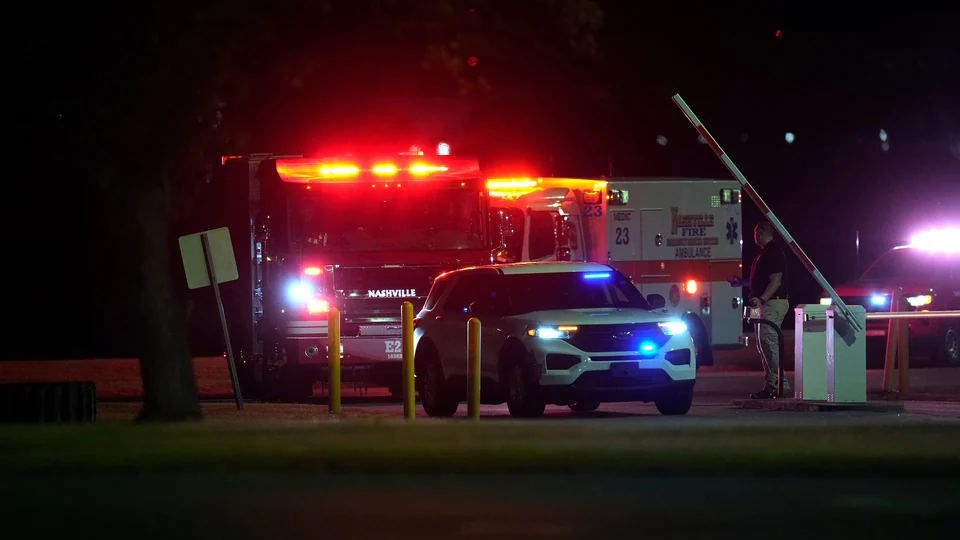
Indiana executed Jeffrey Weisheit, a 50-year-old man convicted of killing his girlfriend’s two children in a house fire in 2010, by lethal injection early Thursday, November 5, 2026. Two more executions were scheduled in Florida and Alabama later the same day, making it the second time this year that three people were set to be put to death in the United States on a single day.
Weisheit was convicted of setting fire to a home near Evansville, Indiana, killing the children, who were 8 and 5 years old. His execution went ahead after Republican Governor Mike Braun rejected requests to commute his death sentence to life imprisonment and allow additional medical examinations before the execution.
The other two scheduled executions involve Jesse Guardado, 64, in Florida and Michael Taylor, 54, in Alabama. Their cases have also drawn attention to legal challenges surrounding capital punishment, including questions about sentencing, execution methods and the treatment of people on death row.
Jeffrey Weisheit Executed in Indiana After Clemency Requests Rejected
Weisheit was pronounced dead at 12:45 a.m. Thursday at Indiana State Prison, according to reports. He had been sentenced to death for the 2010 killings of his girlfriend’s children in a house fire near Evansville.
The children, Alyssa Lynch, 8, and Caleb Lynch, 5, died after the fire was deliberately set at their home. The murders were linked to the deteriorating relationship between Weisheit and the children’s mother. Their mother was working an overnight shift when the fire occurred.
Weisheit’s lawyers made several attempts to stop or delay the execution. They asked Governor Mike Braun to commute the death sentence to life imprisonment and sought permission for additional brain scans, arguing that a history of head injuries and mental health problems deserved further consideration.
The defence argued that further medical testing could provide information relevant to understanding Weisheit’s neurological condition and his behaviour. However, the governor declined the clemency request, and the state proceeded with the court-ordered execution.
Legal Challenge Raised Questions About Indiana’s Execution Drugs
Weisheit’s legal team also challenged Indiana’s planned use of lethal-injection drugs, raising concerns about the pharmacy from which the state had obtained the medication. The pharmacy was facing a disciplinary hearing before the Indiana Pharmacy Board.
The lawyers argued that questions about the drug supply and the state’s execution procedures justified delaying the execution. Their concerns came amid wider scrutiny of lethal injections following a failed execution attempt in Tennessee involving death row prisoner Christa Pike.
Indiana officials maintained that the Department of Correction was confident in its ability to carry out the execution. The state did not halt the process, and Weisheit was executed as scheduled.
The dispute added another layer to the legal proceedings, which had already included requests for clemency and additional medical examinations. The challenges did not result in a reprieve.
Florida Schedules Jesse Guardado’s Execution
Florida scheduled the execution of Jesse Guardado, 64, for the 2004 murder of a 75-year-old woman in Walton County. If carried out as planned, it would be the state’s 19th execution in 2026, matching the record Florida set in 2025 under Republican Governor Ron DeSantis.
Guardado confessed to stabbing the woman inside her home and stealing valuables, including a jewellery box and $80. He said he took the items to support his drug habit. The victim had previously helped him find employment and housing.
Guardado’s case also went through federal appeals. In 2024, a federal appeals court ruled that he had received a full and fair hearing during the Death Penalty phase of his case.
Florida’s execution schedule has made the state a major contributor to the national total this year. The Associated Press reported that Florida had accounted for more than half of the 32 executions carried out across the United States in 2026 before the three executions scheduled for November 5.
If Guardado’s execution proceeds, Florida will reach 19 executions for the year, equalling its previous annual record. The scheduled execution also comes as courts continue to consider legal challenges in other death penalty cases across the country.
Alabama Schedules Execution of Michael Taylor for 1980s-era Murders
Alabama scheduled the execution of Michael Taylor, 54, for the killing of an older couple during a robbery at their home in Gadsden approximately 35 years ago.
Taylor was 19 at the time of the killings. He fatally beat the couple with a metal bar during the robbery. Police later arrested him in Birmingham, about an hour from Gadsden, while he was driving the victims’ Cadillac.
Death penalty opponents appealed to Republican Governor Kay Ivey to commute Taylor’s sentence to life imprisonment, pointing to his age when the crimes occurred. Ivey declined to grant clemency.
The execution was scheduled to take place by lethal injection after a judge ruled that the nitrogen gas method was unconstitutional in Taylor’s case. His lawyers challenged the last-minute change, arguing that he had selected nitrogen gas as his preferred execution method several years earlier. A judge rejected the challenge, allowing the scheduled lethal injection to proceed.
Three Executions Scheduled on the Same Day in the United States
The three cases brought renewed attention to the use of capital punishment in the United States. November 5 marked the second occasion in 2026 on which three executions were scheduled for the same day. A similar situation occurred on August 13.
Although executions are organised independently by individual states, multiple scheduled executions on one day can bring different death penalty cases into the national spotlight at the same time.
The November 5 schedule also comes amid questions about the reliability and administration of lethal-injection procedures. The recent incident involving Christa Pike in Tennessee has intensified scrutiny of execution practices and prompted renewed legal challenges in other cases.
Tennessee’s Failed Execution Attempt Adds to Death Penalty Debate
The scheduled executions in Indiana, Florida and Alabama followed a failed attempt to execute Christa Pike in Tennessee in September. Pike survived two doses of pentobarbital, prompting questions about the state’s lethal-injection process and the safeguards used during executions.
The incident renewed debate among death penalty opponents and legal advocates about the reliability of execution procedures. It also became part of the wider discussion surrounding the use of lethal injection in other states.
Weisheit’s lawyers referred to concerns about execution drugs and procedures in their attempts to delay his execution. However, Indiana officials maintained that they were prepared to carry out the sentence, and the state’s legal challenges did not prevent the execution.
The cases of Guardado and Taylor also involved separate legal challenges, including arguments about the fairness of earlier proceedings and the method selected for execution. Courts rejected the challenges described in the cases, allowing the scheduled executions to move forward.
Why the November 5 Executions Matter
The three cases illustrate how capital punishment is administered separately across US states, with each execution governed by its own legal proceedings, clemency decisions and execution protocols.
Indiana’s execution of Weisheit followed the rejection of requests for clemency and further medical testing. Florida’s scheduled execution of Guardado would bring the state’s annual total to 19, matching its 2025 record. Alabama’s case involved a prisoner who was 19 when he killed an older couple during a robbery and whose request for clemency was rejected.
The concentration of three executions on one day has also drawn attention to broader questions about death penalty procedures, including access to medical evidence, the sourcing of lethal-injection drugs and the methods states use to carry out death sentences.
Conclusion
Indiana executed Jeffrey Weisheit by lethal injection early on November 5, 2026, for killing his girlfriend’s two children in a 2010 house fire near Evansville. His execution proceeded after Governor Mike Braun rejected his clemency request and efforts to obtain additional medical examinations.
Meanwhile, Florida scheduled the execution of Jesse Guardado for a 2004 murder, while Alabama planned to execute Michael Taylor for killing an older couple during a robbery approximately 35 years ago. If both executions proceed as scheduled, November 5 will mark the second day in 2026 on which three people are put to death in the United States.
The developments come amid renewed scrutiny of capital punishment following Tennessee’s failed execution attempt involving Christa Pike and continuing legal disputes over lethal-injection procedures.
For breaking news and live news updates, like us on Facebook or follow us on Twitter and Instagram. Read more on Latest World on thefoxdaily.com.






COMMENTS 0