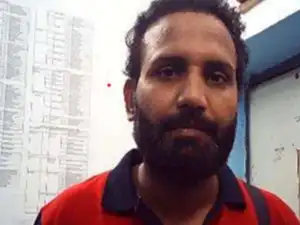
Gangster Naseem Durrani, who was allegedly linked to underworld figures Dawood Ibrahim and Chhota Shakeel, was killed in a Police Encounter in Bulandshahr, Uttar Pradesh. The operation was jointly conducted by the Delhi Police and the Noida Special Task Force (STF) as investigators pursued him over his suspected involvement in the November 16 murder of a man identified as Sameer outside a minister’s office.
Durrani had reportedly been associated with a long criminal history, with approximately 25 cases registered against him. Police were tracking his movements as part of the investigation into the murder and his alleged connections with organised criminal networks.
His death marks a significant development in the investigation, although the circumstances of the encounter and the evidence connecting him to the November 16 killing remain important aspects of the case. The alleged underworld links also bring renewed attention to the networks that investigators believe operate across different parts of the country.
Who Was Naseem Durrani and Why Was Police Looking for Him?
Naseem Durrani was a gangster suspected of involvement in multiple criminal activities. According to the information available about the case, approximately 25 criminal cases had been registered against him, making his criminal background a significant part of the police investigation.
Investigators were reportedly monitoring his movements while looking into his suspected role in the killing of Sameer on November 16. The murder took place outside a minister’s office, an incident that brought the case under particular attention.
Durrani’s alleged associations with underworld figures Dawood Ibrahim and Chhota Shakeel added another dimension to the investigation. Both names have been associated with organised crime networks, and police were examining Durrani’s suspected connections as part of the broader criminal background surrounding him.
However, alleged links to prominent underworld figures should not automatically be treated as proof of direct operational involvement in their activities. The precise nature of Durrani’s relationships with these individuals has not been established in the information available about the encounter.
What Happened in the Bulandshahr Police Encounter?
The encounter took place in Bulandshahr district of Uttar Pradesh during a joint operation involving the Delhi Police and the Noida STF. The teams were pursuing Durrani as part of efforts connected to the investigation into Sameer’s murder.
The operation ended with Durrani being shot dead. His death followed police efforts to track his movements, reportedly using information connected to his criminal history and suspected involvement in the November 16 killing.
Joint operations between police units from different jurisdictions are often necessary when suspects move between states or are linked to cases being investigated by separate agencies. Cooperation between the Delhi Police and the Noida STF brought the teams together for the operation in Uttar Pradesh.
The available details do not establish the precise sequence of events leading to the shooting, including whether police recovered weapons or what happened immediately before the exchange of fire. Those details should be distinguished from the confirmed outcome that Durrani was killed during the joint operation.
Connection to the November 16 Murder of Sameer
The police operation was linked to the investigation into the November 16 murder of Sameer, who was killed outside a minister’s office. Durrani was suspected of having a role in the crime, and investigators were reportedly tracking him as they pursued leads in the case.
The location of the killing and the suspected involvement of a gangster with an extensive criminal history made the investigation particularly significant. Establishing the motive, identifying those responsible and determining whether the murder involved a wider criminal network remain important elements of the case.
Durrani’s death may affect the investigation by removing a key suspect who could otherwise have been questioned about the killing. Police may still need to examine other evidence, possible associates and any additional suspects to establish the full circumstances of Sameer’s murder.
Importantly, suspicion of involvement is not the same as a judicial finding of guilt. Durrani was suspected of involvement in the killing, but the available information does not establish that a court had convicted him in connection with Sameer’s murder.
What Were Durrani’s Alleged Links to Dawood Ibrahim and Chhota Shakeel?
Durrani was described as having alleged connections with Dawood Ibrahim and Chhota Shakeel, two prominent names associated with India’s underworld history. These alleged affiliations have drawn attention to the wider criminal networks investigators may have been examining.
Dawood Ibrahim has long been associated with organised crime and is a central figure in investigations involving transnational criminal activity. Chhota Shakeel has also been identified with the same underworld network.
References to these figures can carry significant implications in criminal investigations, particularly when police are examining whether local gangsters have links to larger networks. However, an alleged association does not by itself establish that a suspect received instructions from an underworld leader or acted on behalf of a particular organisation.
In Durrani’s case, the information available identifies alleged links but does not provide details about the nature, duration or operational significance of those connections. Any stronger conclusion would require evidence from the investigation.
Why the Joint Delhi Police-Noida STF Operation Matters
The involvement of the Delhi Police and Noida STF highlights the importance of coordination between law enforcement agencies when investigating suspects whose activities may cross state boundaries.
Criminal investigations can become more complicated when suspects move between locations, maintain connections with associates in different regions or are wanted in cases handled by separate police units. Sharing intelligence and coordinating operations can help investigators track suspects and act on information gathered during an investigation.
The Bulandshahr operation also demonstrates how investigations into serious crimes can involve multiple police units when the suspect’s movements extend beyond the location where the original offence occurred.
For investigators, the next challenge will be to establish the full network surrounding the November 16 murder and determine whether other individuals were involved. The reported criminal history of Durrani and his alleged underworld associations may form part of that inquiry, but each connection must be assessed through evidence.
What Happens After Naseem Durrani’s Death?
With Durrani dead, investigators will need to continue examining the evidence related to Sameer’s murder and any other cases in which he was suspected of involvement. Police may also examine information about his associates and alleged criminal connections to determine whether other individuals played a role in the activities under investigation.
His reported history of approximately 25 criminal cases makes it important to distinguish between the different allegations and proceedings associated with his name. The registration of a criminal case does not necessarily mean that an accused person has been convicted.
The encounter is a major development in the pursuit of a suspect in the Sameer murder case, but it does not automatically resolve the investigation. Establishing the motive, identifying any additional participants and examining the evidence surrounding the killing will remain important tasks for law enforcement.
For now, Durrani’s death in the Bulandshahr encounter brings the police operation to an end, while questions surrounding the November 16 murder and his alleged connections to organised crime remain central to the wider investigation.
For breaking news and live news updates, like us on Facebook or follow us on Twitter and Instagram. Read more on Latest India on thefoxdaily.com.






COMMENTS 0