- Why Europe Is Facing a Jet Fuel Shortage
- The Strait of Hormuz: A Global Energy Lifeline
- Immediate Impact: Flight Cancellations and Travel Disruptions
- Beyond Aviation: A Broader Energy Crisis
- Economic Fallout: Who Will Be Hit the Hardest?
- Damaged Infrastructure: A Long Road to Recovery
- Long-Term Implications: A Shift in Energy Strategy?
- What Needs to Happen Next?
- Conclusion: A Crisis That Could Ground More Than Flights
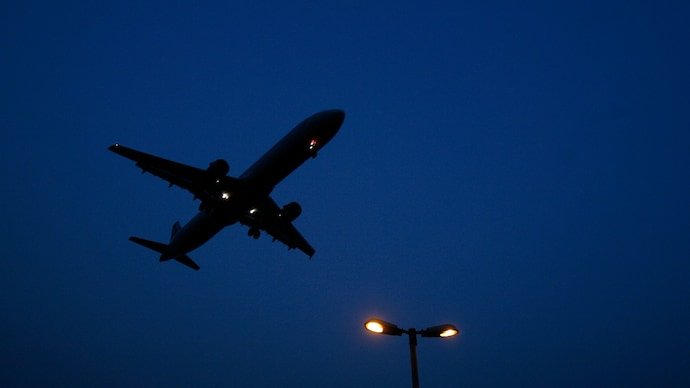
Europe could face a severe jet Fuel Shortage within the next six weeks due to ongoing disruptions caused by the Iran war, according to the International Energy Agency (IEA). The warning, issued by IEA Executive Director Fatih Birol, highlights the growing risk of flight cancellations, rising energy prices, and wider economic fallout. The crisis is unfolding as the Strait of Hormuz one of the world’s most critical oil supply routes remains heavily disrupted, choking Global energy flows. If the situation continues, both aviation and broader economies across Europe and beyond could feel the impact within weeks.
Why Europe Is Facing a Jet Fuel Shortage
The current crisis stems from disruptions in the Strait of Hormuz, a narrow but vital waterway through which nearly 20% of the world’s traded oil typically passes. Due to the ongoing Conflict involving Iran, oil shipments through this route have been significantly restricted.
This disruption has created a domino effect across global fuel supply chains. Jet fuel, which is refined from crude oil, is particularly vulnerable because aviation relies on consistent and large-scale supply.
Fatih Birol warned that Europe may have only “six weeks or so” of jet fuel remaining under current conditions. If supply routes are not restored, shortages could begin affecting commercial flights almost immediately.
“Soon we will hear the news that some flights might be cancelled as a result of lack of jet fuel,” Birol stated.
While six weeks may sound like a buffer, in aviation terms, it is alarmingly short especially for a continent with dense air traffic networks.
The Strait of Hormuz: A Global Energy Lifeline
The Strait of Hormuz plays a central role in global Energy Security. Located between the Persian Gulf and the Gulf of Oman, it serves as a critical transit point for oil exports from major producers.
When this route is disrupted, the impact is felt worldwide:
- Oil supply drops: Reduced flow of crude oil to global markets
- Fuel prices rise: Limited supply drives up costs
- Refinery output declines: Less crude means less jet fuel and gasoline
In this case, the ongoing conflict has created what experts describe as an “unprecedented” disruption, affecting not just supply but also market confidence.
Immediate Impact: Flight Cancellations and Travel Disruptions
If the jet fuel shortage worsens, the most immediate and visible impact will be on air travel. Airlines may be forced to reduce operations, prioritizing essential routes while canceling less profitable or high-frequency flights.
Potential consequences include:
- Flight cancellations across major European cities
- Higher ticket prices due to limited capacity
- Reduced connectivity between regions
- Operational challenges for airlines and airports
For travelers, this could mean fewer options, higher costs, and increased uncertainty especially during peak travel periods.
In simple terms, planes don’t fly without fuel, and there’s no quick substitute when supplies run tight.
Beyond Aviation: A Broader Energy Crisis
The jet fuel shortage is just one aspect of a much larger problem. According to the IEA, the current situation could evolve into the largest Energy Crisis in recent history.
As oil supplies tighten, the effects spread across multiple sectors:
- Petrol prices increase: Higher costs for drivers
- Electricity prices rise: Increased cost of power generation
- Industrial slowdown: Energy-intensive industries face higher expenses
Fatih Birol emphasized that “no country is immune” to the crisis, highlighting its global nature.
Even countries not directly involved in the conflict are affected due to interconnected Energy Markets.
Economic Fallout: Who Will Be Hit the Hardest?
While Europe faces immediate risks in aviation, the broader economic impact is likely to be uneven.
Developing nations across Asia, Africa, and Latin America are expected to bear the brunt of the crisis. These economies often lack the financial buffers needed to absorb sudden increases in energy costs.
Key risks include:
- Slower economic growth
- Rising inflation
- Potential recession in vulnerable regions
Wealthier nations may manage short-term disruptions through reserves and subsidies, but prolonged instability could still affect growth and consumer confidence.
As Birol noted, the countries most affected may be those with the least global influence making the crisis not just economic, but also geopolitical.
Damaged Infrastructure: A Long Road to Recovery
Even if the conflict ends soon, restoring normal energy flows will take time. According to the IEA, more than 80 key energy assets in the region have been damaged, with over a third severely impacted.
This means:
- Oil production may remain below normal levels
- Supply chains will take time to stabilize
- Fuel availability could remain tight for months or years
Birol estimated that full recovery could take up to two years, underscoring the long-term nature of the crisis.
This is not a disruption that disappears overnight it is a structural challenge that could reshape global energy systems.
Long-Term Implications: A Shift in Energy Strategy?
Crises often accelerate change, and this situation may be no different. The disruption could push countries to rethink their energy strategies and reduce dependence on vulnerable supply routes.
Possible long-term shifts include:
- Increased investment in alternative energy sources
- Expansion of nuclear power programs
- Diversification of oil supply routes
- Greater focus on energy security and resilience
While these changes take time, the current crisis may act as a catalyst for transformation in how countries produce and consume energy.
What Needs to Happen Next?
The immediate priority is clear: restoring stability to the Strait of Hormuz and ensuring the safe flow of oil shipments.
Key actions include:
- Diplomatic efforts to de-escalate the conflict
- Coordination among global energy producers
- Strategic use of fuel reserves
- Support for affected economies
Without these steps, the situation could escalate quickly, turning a supply disruption into a full-scale Global Crisis.
Conclusion: A Crisis That Could Ground More Than Flights
The warning of a jet fuel shortage in Europe is a clear signal of how deeply interconnected the global energy system has become. What begins as a regional conflict can quickly ripple across continents, affecting industries, economies, and everyday life.
In the short term, travelers may face flight disruptions and higher costs. In the longer term, the crisis could reshape energy policies and global economic dynamics.
The next few weeks will be critical. If supply routes remain blocked, the impact will become increasingly visible starting with grounded flights and extending far beyond aviation.
As Fatih Birol put it, “Everybody is going to suffer.” The only question now is how long and how severely.
For breaking news and live news updates, like us on Facebook or follow us on Twitter and Instagram. Read more on Latest World on thefoxdaily.com.




COMMENTS 0