- Context: The Long Road of US-Iran Tensions
- Why Islamabad? Pakistan’s Emerging Diplomatic Leverage
- Trump’s Statement: Strategic Signaling or Political Theater?
- Key Developments in the Ongoing Negotiations
- The Oil Factor: Why Global Markets Are Watching Closely
- Regional Power Dynamics: Winners and Losers
- A Unique Angle: The Rise of “Middle Power Mediation”
- Timeline: How We Got Here
- Real-World Impact: Why This Matters Beyond Politics
- Prediction: What Happens Next?
- Conclusion: A Diplomatic Moment With Global Consequences
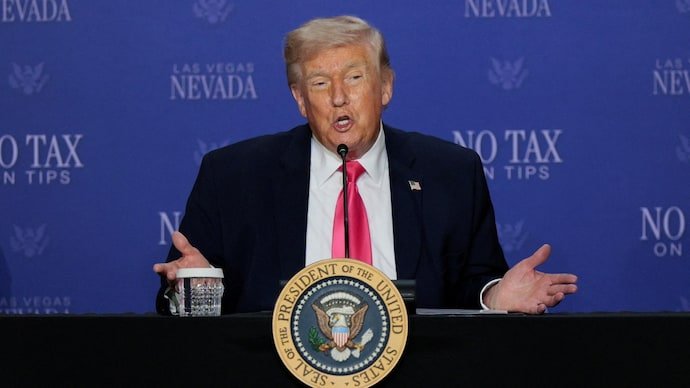
In a surprising yet strategically significant development, former US President Donald Trump has indicated he may visit Pakistan if a potential Iran deal is finalized in Islamabad. The statement comes amid renewed diplomatic efforts to revive stalled negotiations between the United States and Iran, with Pakistan emerging as an unexpected but increasingly relevant intermediary.
This development raises critical questions: Why Pakistan? What does this mean for US-Iran Relations? How could this impact global oil markets and regional stability? More importantly, it signals a shift in diplomatic dynamics where mid-tier powers like Pakistan are gaining influence in high-stakes global negotiations.
Here’s a deeper, more analytical look at what’s really happening and why it matters far beyond headlines.
Context: The Long Road of US-Iran Tensions
To understand the significance of this moment, it’s essential to revisit the broader backdrop of US-Iran relations.
The relationship between Washington and Tehran has been marked by decades of distrust, Sanctions, and intermittent negotiations. The collapse of the 2015 nuclear agreement (JCPOA) triggered a new cycle of economic pressure, military posturing, and diplomatic deadlock.
Since then, key sticking points have included:
- Iran’s uranium enrichment levels
- Sanctions relief for Tehran
- Verification mechanisms
- Regional Security concerns involving Israel and Gulf nations
Recent developments suggest a renewed push toward compromise but with new players and new strategies.
Why Islamabad? Pakistan’s Emerging Diplomatic Leverage
One of the most overlooked aspects of this story is Pakistan’s growing role as a diplomatic bridge. Traditionally aligned with the US but maintaining working relations with Iran, Pakistan occupies a unique geopolitical position.
Hosting talks in Islamabad is not symbolic it reflects strategic trust from both sides.
Key reasons Pakistan is involved:
- Geographic proximity to Iran
- Balanced diplomatic relations with both Washington and Tehran
- Military and intelligence credibility
- Desire to elevate global standing
This could mark a turning point where Pakistan transitions from a regional actor to a recognized global mediator.
Trump’s Statement: Strategic Signaling or Political Theater?
Trump’s remark about potentially visiting Pakistan if the deal is signed there is more than a casual comment it’s a layered geopolitical signal.
At face value, it suggests optimism about the deal. But at a deeper level, it serves multiple purposes:
- Reinforcing pressure on Iran to finalize terms
- Publicly rewarding Pakistan for mediation efforts
- Positioning himself as a deal-maker ahead of political cycles
Trump’s communication style often blends Diplomacy with spectacle, but historically, such statements have preceded tangible negotiations.
Key Developments in the Ongoing Negotiations
| Factor | Status | Implication |
|---|---|---|
| Uranium Enrichment Limits | Under negotiation | Critical for nuclear non-proliferation |
| Sanctions Relief | Partially discussed | Vital for Iran’s economy |
| Enriched Uranium Stockpile | Major sticking point | Concerns about weaponization |
| Verification Mechanisms | Unresolved | Trust deficit remains high |
| Host Location (Islamabad) | Emerging possibility | Boosts Pakistan’s global stature |
While optimism is rising, these unresolved issues highlight that the deal is far from guaranteed.
The Oil Factor: Why Global Markets Are Watching Closely
One of the most impactful aspects of this potential deal lies in energy economics.
If sanctions on Iran are eased, the country could significantly increase oil exports. Combined with improved stability in the Strait of Hormuz a critical global oil transit chokepoint this could lead to:
- Lower global oil prices
- Reduced supply uncertainty
- Improved energy security
Trump’s reference to “free oil” and smoother operations in the Hormuz Strait may be exaggerated, but it reflects a real economic possibility: a more stable and potentially cheaper energy market.
Regional Power Dynamics: Winners and Losers
A US-Iran deal facilitated by Pakistan would reshape regional alliances.
Potential Winners:
- Pakistan – Gains diplomatic prestige
- Iran – Economic relief and global reintegration
- Global markets – Stability and lower oil prices
Potential Concerns:
- Israel – Security concerns over Iran’s capabilities
- Saudi Arabia – Shifting balance of power
- Hardliners in both US and Iran – Opposition to compromise
This creates a delicate balancing act where diplomacy must align with security interests.
A Unique Angle: The Rise of “Middle Power Mediation”
Here’s what most coverage is missing: this isn’t just about Trump or Iran it’s about a broader shift in Global Diplomacy.
Countries like Pakistan are increasingly acting as “middle power mediators” states that are not superpowers but possess enough influence to broker deals.
This trend is significant because:
- It reduces reliance on traditional Western diplomatic channels
- It introduces new negotiation styles and priorities
- It decentralizes global power structures
In simple terms, diplomacy is becoming more multipolar and Pakistan is stepping into that space.
Timeline: How We Got Here
- 2015: Iran nuclear deal (JCPOA) signed
- 2018: US withdraws from the agreement
- 2019–2024: Rising tensions, sanctions, and stalled talks
- 2025–2026: Renewed diplomatic engagement
- Now: Pakistan emerges as a potential host for breakthrough talks
This progression highlights how geopolitical narratives evolve and how new actors enter the stage.
Real-World Impact: Why This Matters Beyond Politics
This isn’t just a diplomatic story it has tangible consequences for everyday people.
For Consumers:
- Potential drop in fuel prices
- Lower inflation linked to energy costs
For Businesses:
- More stable supply chains
- Reduced geopolitical risk
For Global Security:
- Reduced risk of military escalation
- Greater nuclear oversight
In a world where Geopolitics often feels distant, this deal could directly impact wallets, markets, and global stability.
Prediction: What Happens Next?
Based on current signals, three scenarios are likely:
- Best Case: Deal finalized in Islamabad, Trump visits Pakistan, markets respond positively
- Moderate Case: Partial agreement with unresolved issues
- Worst Case: Talks collapse due to disagreements over uranium and sanctions
The most probable outcome? A phased agreement not a full resolution, but enough to reduce tensions and restart cooperation.
Conclusion: A Diplomatic Moment With Global Consequences
Trump’s hint at visiting Pakistan if an Iran deal is signed in Islamabad may seem like a passing remark but it represents something far bigger.
It signals:
- A potential breakthrough in US-Iran relations
- The rise of Pakistan as a diplomatic mediator
- A shift toward multipolar global diplomacy
- Possible stabilization of global oil markets
Whether the deal materializes or not, one thing is clear: the geopolitical landscape is evolving and new players are shaping the future.
For breaking news and live news updates, like us on Facebook or follow us on Twitter and Instagram. Read more on Latest World on thefoxdaily.com.




COMMENTS 0