Diplomatic statements on the China-India border, a major Communist Party meeting in Beijing, Israel’s parliamentary elections and growing regional security concerns featured among the key developments across Asia and West Asia on Monday. The developments also included defence consultations involving Iran and regional powers, flood-risk warnings concerning the Brahmaputra River in Tibet, and political and diplomatic moves in Pakistan, Nepal and Sri Lanka.
Reported by the Press Trust of India (PTI), the developments highlighted the range of issues confronting regional governments, from border management and political leadership to environmental risks and cross-border cooperation.
China Says It Is Following Border Agreements With India
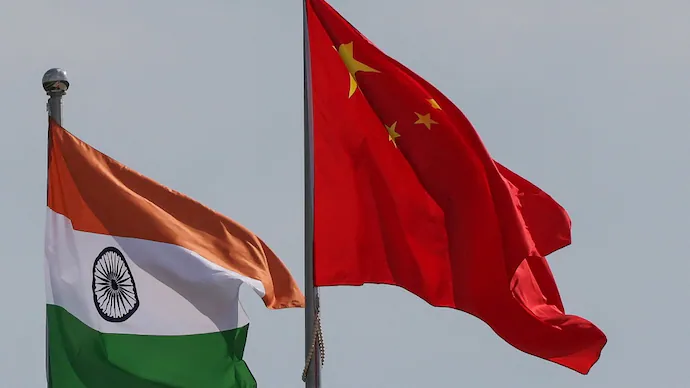
China said it was strictly abiding by relevant agreements with India and conducting normal border patrols to safeguard its sovereignty, according to PTI.
The statement comes against the backdrop of longstanding border tensions between the two Asian neighbours, whose boundary dispute has periodically strained diplomatic and military relations. Both countries have engaged in negotiations and established agreements intended to manage tensions and maintain stability along the disputed frontier.
China’s remarks reiterated its position that its border patrol activities were consistent with the relevant agreements. However, the statement alone does not establish whether all outstanding differences between the two countries have been resolved.
Border management remains important for both governments because developments along the frontier can affect wider diplomatic engagement, military communication and regional stability. The practical significance of the latest statement will depend on developments on the ground and the continuation of bilateral dialogue.
Chinese Communist Party Begins Key Four-Day Meeting
The Chinese Communist Party began a four-day plenary session in Beijing on Monday, with the meeting expected to play a role in shaping the country’s political direction and leadership arrangements ahead of the party’s next national congress.
The gathering has drawn attention because of its potential implications for President Xi Jinping’s political future and the composition of the party’s leadership. The meeting is being viewed as part of the process that could pave the way for Xi to seek a fourth five-year term, although the outcome will depend on the party’s formal decisions and subsequent political procedures.
The Communist Party’s national congress, held once every five years, is a major event in China’s political calendar. It provides the framework for selecting senior party leadership and setting broad political priorities.
The plenary session is therefore significant beyond its immediate agenda. Decisions emerging from the meeting could offer clues about leadership continuity, governance priorities and the direction of policy in the world’s second-largest economy.
However, the meeting’s opening does not by itself confirm any future leadership appointment or guarantee a particular outcome for Xi. Those questions depend on the party’s internal processes and formal announcements.
Saudi Arabia, Turkiye and Pakistan Hold Talks With Iranian Official
In Tehran, senior defence officials from Saudi Arabia, Turkiye and Pakistan met Iran’s Supreme National Security Council Secretary Mohsen Rezaei on Monday, according to PTI. The discussions focused on the regional situation amid escalating tensions.
The meeting brought together representatives of countries with significant security and diplomatic interests in West Asia and the surrounding region. Their engagement comes as regional governments face overlapping concerns involving security, political stability and relations among neighbouring states.
Saudi Arabia, Turkiye, Pakistan and Iran each have distinct national interests, but communication between their officials can provide a channel for discussing shared regional challenges. Defence-level meetings can also help governments exchange assessments of security developments and explore areas for diplomatic coordination.
The information available does not specify the detailed agenda, any agreements reached or whether the meeting resulted in concrete policy commitments. Its significance therefore lies primarily in the reported consultations among senior officials during a period of heightened regional tension.
US Delegation Discusses Bilateral Relations With Nepal
A US congressional delegation met Nepal’s House of Representatives Speaker Dol Prasad Aryal on Monday. According to the Speaker’s secretariat, discussions covered bilateral relations, economic cooperation, climate-related disasters and parliamentary ties.
The meeting reflected the range of issues that can shape relations between countries beyond traditional diplomatic and security concerns. Economic cooperation and parliamentary engagement can provide opportunities to discuss trade, development priorities and institutional exchanges.
Climate-related disasters were also part of the discussions. Nepal is vulnerable to natural hazards associated with its mountainous geography, including floods and landslides. Cooperation on disaster preparedness, resilience and response can therefore form an important part of international engagement.
The reported meeting did not specify any new agreements or funding commitments. Nevertheless, the inclusion of economic cooperation, climate risks and parliamentary ties indicates that the discussions extended across several areas of bilateral interest.
Israel Prepares for Parliamentary Elections Amid Leadership Debate
Israel was preparing to hold parliamentary elections on Tuesday, with Prime Minister Benjamin Netanyahu seeking to retain power amid continuing debate over his government’s handling of the Hamas attack on October 7, 2023, the conflicts that followed and its domestic and foreign policies.
The election was described by PTI as Israel’s first parliamentary vote since the October 7 attack, which triggered a major war and reshaped the country’s security and political environment. Netanyahu’s leadership, the government’s response to the attack and the subsequent military campaigns have remained central to the political debate.
The campaign has also been shaped by questions surrounding military conscription and ethnic tensions. These issues have added to the wider debate over security, political accountability and the direction of Israeli policy.
The vote has been viewed as a test of Netanyahu’s leadership, with voters weighing his government’s record alongside its positions on domestic affairs and regional security. However, the outcome cannot be determined from the campaign issues alone and will depend on the election results and the political negotiations that may follow.
The election is also significant because Israel’s parliamentary system requires parties to secure sufficient support to form a governing coalition. The distribution of seats among competing parties can therefore be as important as the performance of any single party in determining who ultimately governs.
Researchers Warn of Rising Brahmaputra Flood Risks in Tibet
Chinese researchers have warned that the Brahmaputra River in Tibet could experience increased runoff and a higher risk of flooding during the current century. The warning adds an environmental dimension to the region’s broader political and infrastructure developments.
The Brahmaputra is a major transboundary river that flows from the Tibetan Plateau into India and Bangladesh. Changes in its flow can have consequences for communities, agriculture, infrastructure and ecosystems across the river basin.
The researchers’ warning points to the importance of understanding how future runoff patterns could affect flood risks. However, the supplied report does not provide detailed projections, a specific timeline for the highest-risk periods or quantified estimates of potential impacts downstream.
China is also building a major dam on the river in Tibet, described in the report as the world’s largest dam project, with an estimated cost of $168 billion. The scale of the project has drawn attention to the relationship between major water infrastructure, environmental planning and the management of a river shared by multiple countries.
Large dam projects can serve purposes such as electricity generation and water management, but their effects depend on their design, operating practices and environmental conditions. For a transboundary river, questions about water flows, information sharing and disaster preparedness can also have implications for downstream countries.
The reported flood-risk warning does not, on its own, establish that the dam will cause increased flooding. Assessing the relationship between the project and downstream risks would require detailed technical evidence, including hydrological projections and information about the dam’s planned operation.
Pakistan Extends Detention of Imran Khan’s Three Sisters
Pakistan’s Punjab government has extended the detention of the three sisters of jailed former prime minister Imran Khan for another 30 days under a public safety law, an official told PTI on Monday.
The development adds to the continuing political tensions surrounding Khan and his political movement. His detention and the treatment of people associated with him have remained sensitive issues in Pakistan’s domestic political environment.
The reported extension was issued under public safety provisions. The information provided does not detail the individual grounds cited for extending the detention, the specific legal arguments involved or whether any challenge to the decision has been filed.
The additional 30-day period means the sisters’ detention will continue under the government’s order. Further developments will depend on the authorities’ actions and any legal proceedings that may follow.
Pakistan Prime Minister Shehbaz Sharif Expected to Visit Russia
Pakistan Prime Minister Shehbaz Sharif is expected to visit Russia in the coming weeks for talks with President Vladimir Putin, according to a media report cited by PTI.
The reported visit could provide an opportunity for the two governments to discuss bilateral relations and broader international developments. Pakistan and Russia have maintained diplomatic engagement while navigating changing regional and global political conditions.
However, the report did not provide confirmed dates, a detailed agenda or specific agreements expected from the proposed meeting. The visit should therefore be treated as anticipated rather than a completed diplomatic engagement.
Any eventual talks between Sharif and Putin would need to be assessed in light of the official agenda and statements released by both governments.
Sri Lanka Repatriates 40 Iranian Sailors After Rescue
Sri Lanka has repatriated 40 Iranian sailors after rescuing them from a vessel in distress off the country’s southern coast and providing them with medical care.
The incident involved a maritime rescue followed by the return of the sailors to Iran. Such operations can require coordination among maritime authorities, medical services and diplomatic representatives, particularly when those rescued are foreign nationals.
The available report does not specify the circumstances that caused the vessel to experience distress, the type of vessel involved or the medical conditions of the sailors. It also does not provide further details about the rescue operation or the arrangements made for their return.
The repatriation marks the completion of the reported process of bringing the 40 sailors back after their rescue and treatment in Sri Lanka.
What These Developments Mean for Asia and West Asia
The developments reported on Monday illustrate the variety of political, diplomatic, security and environmental challenges facing governments across Asia and West Asia.
China’s statement on its border arrangements with India highlights the continuing importance of frontier management between the two neighbours. The Communist Party’s plenary session, meanwhile, has drawn attention to China’s political leadership and the decisions that could shape its direction ahead of the next national congress.
In West Asia, consultations involving Saudi Arabia, Turkiye, Pakistan and Iran reflect efforts to maintain communication amid regional tensions. Israel’s parliamentary elections add another major political test, with the government’s handling of the October 7 attack and the wars that followed at the centre of the campaign.
Environmental risks are also part of the regional picture. Warnings about potential increases in Brahmaputra runoff and flooding underline the need for reliable scientific assessment and preparedness, particularly where rivers cross national boundaries and major infrastructure projects are under development.
Meanwhile, developments involving Imran Khan’s family, the anticipated Sharif-Putin meeting, US engagement with Nepal and Sri Lanka’s repatriation of Iranian sailors demonstrate how domestic politics, international diplomacy and humanitarian coordination continue to intersect across the region.
Although these events are unfolding in different countries and involve distinct issues, together they show how political leadership, regional security, economic interests and environmental concerns remain closely connected in Asia and West Asia.
With PTI inputs.
For breaking news and live news updates, like us on Facebook or follow us on Twitter and Instagram. Read more on Latest World on thefoxdaily.com.





COMMENTS 0