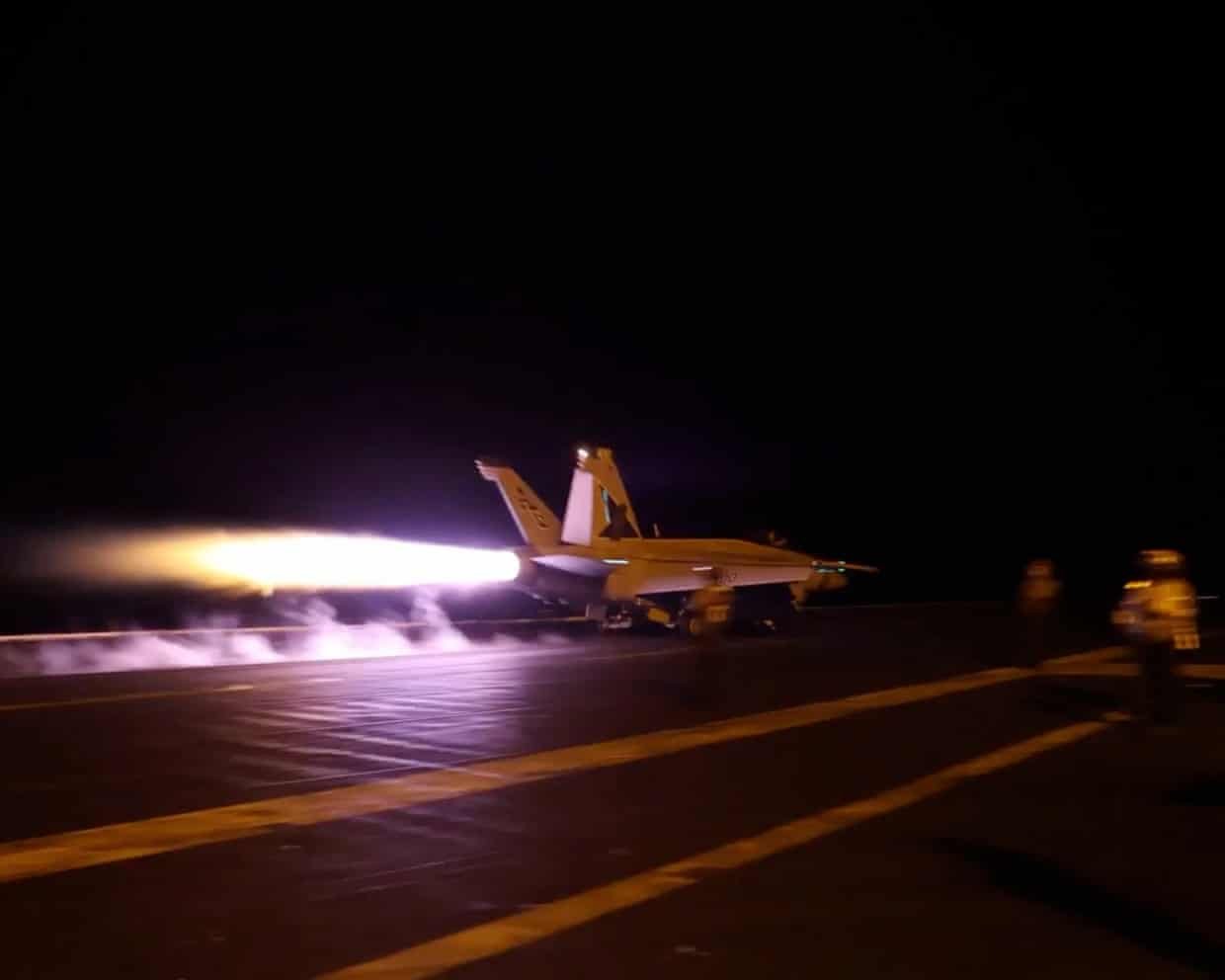
The US-Iran conflict has entered another dangerous phase after the United States launched fresh military strikes against Iranian targets following attacks on American forces stationed in Jordan. The operation ended a days-long lull in direct hostilities and reignited fears that the conflict could expand beyond its current boundaries, drawing additional countries and armed groups into an already volatile regional crisis.
According to official statements, the strikes targeted facilities associated with Iran’s military capabilities, including command infrastructure, missile installations, drone facilities, and coastal defense sites. Iranian authorities also reported explosions in multiple locations, while regional security experts warned that the latest escalation could undermine diplomatic efforts aimed at restoring calm.
Beyond the immediate military exchanges, the renewed conflict is influencing global financial markets, energy prices, shipping routes, and international diplomatic efforts, making it one of the most closely watched geopolitical developments of the year.
What Triggered the Latest US Strikes?
The latest military action followed an attack targeting a military installation in Jordan that hosts United States personnel. In response, Washington announced military operations against multiple Iranian-linked targets, describing the strikes as a direct response to attacks on American forces.
The renewed action came shortly after a temporary reduction in hostilities had raised hopes that both sides might return to diplomatic negotiations. Instead, the latest developments indicate that military confrontation has once again become the dominant feature of the crisis.
The renewed exchange significantly increases concerns that retaliatory actions could continue in a cycle of escalation.
Timeline of Recent Developments
| Event | Development |
|---|---|
| Temporary Pause | Hostilities between the US and Iran decline for several days. |
| Attack in Jordan | US military personnel stationed in Jordan are targeted. |
| US Response | Military strikes launched against Iranian military-related targets. |
| Iran Reports Explosions | Authorities report explosions and injuries in affected areas. |
| Regional Tensions Rise | Oil prices increase as markets react to renewed instability. |
| Diplomatic Efforts Continue | Mediators attempt to revive negotiations despite escalating conflict. |
Targets of the Military Operation
According to US military officials, the operation focused on facilities linked to Iran’s strategic military infrastructure.
- Military command centers.
- Missile-related facilities.
- Drone infrastructure.
- Coastal surveillance systems.
- Defensive military installations.
Military officials described the operation as a targeted response rather than a broader campaign, although regional analysts caution that even limited strikes can trigger wider retaliation.
Regional Conflict Is Expanding Beyond Two Countries
One of the most concerning aspects of the latest escalation is that the conflict now involves multiple fronts across the Middle East.
Recent developments have included military operations involving armed groups in Iraq, attacks affecting maritime activity near strategic waterways, and continuing instability involving regional actors. These interconnected developments increase the complexity of diplomatic efforts because multiple governments and non-state organizations now have direct or indirect involvement in the crisis.
As more actors become involved, opportunities for misunderstanding or unintended escalation also increase.
Impact on Global Energy Markets
Financial markets reacted quickly to the renewed military activity.
Oil prices rose sharply as traders assessed the possibility of supply disruptions in one of the world’s most strategically important energy-producing regions.
The Strait of Hormuz remains one of the world’s busiest maritime corridors for crude oil exports. Any sustained military activity affecting shipping in or around the region has the potential to influence global fuel prices and international trade.
| Sector | Potential Impact |
|---|---|
| Oil Markets | Higher crude oil prices. |
| Shipping | Greater operational risks. |
| Global Trade | Possible transportation delays. |
| Financial Markets | Increased volatility. |
| Energy Costs | Potential rise in fuel prices. |
Why the Strait of Hormuz Matters
The Strait of Hormuz is among the world’s most strategically important maritime passages, connecting major oil-producing countries with international markets.
Any military activity near this waterway attracts global attention because disruptions could affect energy supplies reaching Asia, Europe, and other regions. Even when shipping continues normally, uncertainty alone can influence commodity prices and insurance costs for commercial vessels.
This explains why developments involving the Gulf region often produce immediate reactions in international energy markets.
The Role of Diplomacy
Despite the renewed military exchanges, diplomatic efforts have not completely stopped.
Regional mediators continue working to encourage dialogue between the parties involved. Their objective remains reducing tensions, preventing further retaliation, and creating conditions that could eventually allow negotiations to resume.
Diplomatic initiatives become increasingly challenging as military operations expand, yet they remain one of the few mechanisms capable of preventing prolonged regional instability.
Military Pressure Versus Negotiation
The current situation reflects a recurring dilemma in international security.
| Military Response | Diplomatic Approach |
|---|---|
| Immediate reaction to security threats. | Focuses on long-term conflict reduction. |
| Can deter future attacks. | Attempts to prevent repeated escalation. |
| Risk of retaliation. | Requires sustained political cooperation. |
| Produces rapid tactical results. | Often takes longer to achieve lasting outcomes. |
Successful conflict management often requires balancing immediate security concerns with long-term diplomatic engagement.
Economic Consequences Beyond Oil
While energy prices attract the most immediate attention, wider economic effects are also possible.
- Higher transportation costs.
- Increased shipping insurance premiums.
- Greater uncertainty in financial markets.
- Supply chain disruptions.
- Pressure on inflation if fuel prices remain elevated.
Because the Middle East remains central to global energy trade, regional instability often produces consequences that extend far beyond the countries directly involved.
A Unique Insight: Modern Conflicts Extend Beyond the Battlefield
Unlike traditional interstate wars, contemporary conflicts increasingly affect economic systems, digital infrastructure, maritime security, and international diplomacy simultaneously.
The latest escalation demonstrates that military operations today are closely linked with global trade, financial markets, cyber capabilities, and strategic alliances. As a result, governments must evaluate not only military objectives but also economic resilience, diplomatic relationships, and public confidence.
This interconnected nature of modern conflict means that even geographically limited military actions can generate worldwide political and economic consequences.
What Happens Next?
The immediate future will likely depend on whether additional retaliatory actions occur and whether diplomatic channels remain open.
International observers will closely monitor developments involving military operations, maritime security, regional alliances, and efforts by mediators to reduce tensions.
Markets are also expected to remain sensitive to new developments, particularly those involving strategic energy infrastructure or key shipping routes.
Conclusion
The latest US strikes on Iranian targets mark a significant escalation after a brief period of reduced hostilities, renewing concerns about the stability of the Middle East. While Washington describes the operation as a response to attacks on its forces, the broader regional consequences extend far beyond military objectives.
With energy markets reacting, diplomatic efforts facing renewed challenges, and multiple regional actors involved, the situation remains highly fluid. The coming days will be critical in determining whether the latest confrontation develops into a wider regional conflict or whether diplomatic initiatives can once again create space for de-escalation. Until then, governments, businesses, and global markets will continue watching developments with heightened attention.
For breaking news and live news updates, like us on Facebook or follow us on Twitter and Instagram. Read more on Latest World on thefoxdaily.com.





COMMENTS 0