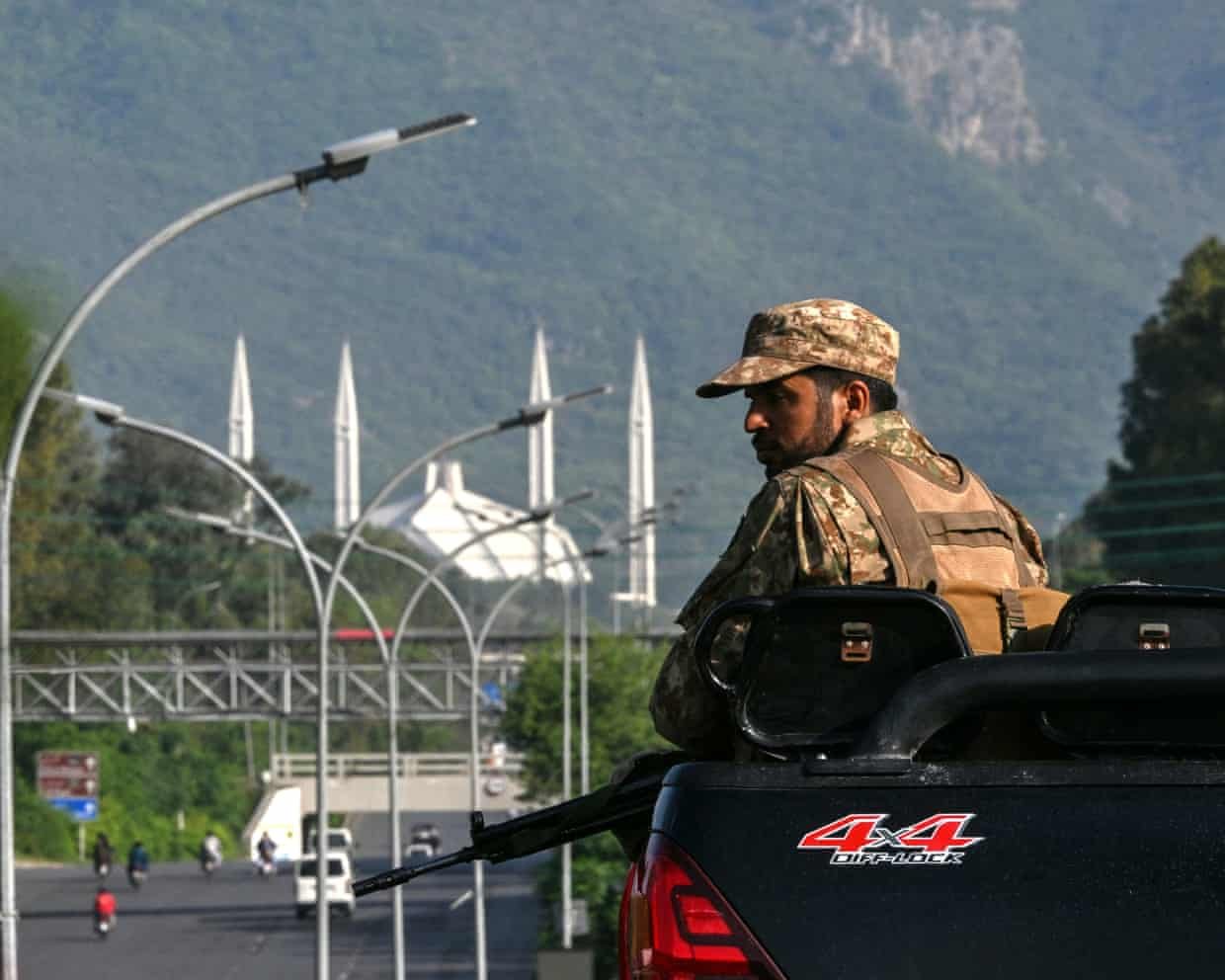
- Why Pakistan’s Backchannel Role Matters
- From Frontline Mediator to Quiet Facilitator
- The Core Issues Blocking a US-Iran Deal
- The Strait of Hormuz: A Global Pressure Point
- A Unique Insight: Backchannel Diplomacy as a “Pressure Valve”
- The Ceasefire Factor: A Fragile Window of Opportunity
- Regional and Global Implications
- Comparison: Direct Talks vs Backchannel Negotiations
- What Could a Deal Look Like?
- The Risks Ahead
- Conclusion: Quiet Diplomacy, High Stakes
In one of the most delicate diplomatic developments in recent months, Pakistan is emerging as a crucial backchannel between the United States and Iran, helping keep negotiations alive even as formal talks falter. While public engagement between Washington and Tehran has slowed, behind-the-scenes efforts led by Islamabad suggest that a potential US-Iran deal may still be within reach.
This evolving role highlights a lesser-discussed reality of global Diplomacy: sometimes the most important negotiations don’t happen in conference rooms but through quiet exchanges, intermediaries, and strategic patience.
Why Pakistan’s Backchannel Role Matters
Pakistan’s involvement is not accidental it reflects both necessity and opportunity.
With tensions between the US and Iran affecting Global energy flows and regional stability, Islamabad has stepped in to:
- Transmit proposals between both sides
- Prevent diplomatic breakdowns
- Maintain momentum toward a potential agreement
This role has become especially critical after direct engagement stalled following initial high-level talks earlier this year.
For Pakistan, the stakes are not abstract. Rising energy costs linked to regional instability have significantly impacted its Economy, making peace not just a diplomatic goal but an economic necessity.
From Frontline Mediator to Quiet Facilitator
Interestingly, Pakistan’s role has evolved over time.
Initially, Islamabad hosted direct talks bringing both sides together in rare face-to-face negotiations. But as positions hardened, its strategy shifted toward a more discreet approach.
Today, Pakistan operates as a low-profile diplomatic conduit, focusing on:
- Backchannel communication
- Message coordination
- Proposal refinement
This transition reflects a key insight: when public diplomacy reaches a deadlock, private diplomacy often takes over.
The Core Issues Blocking a US-Iran Deal
Despite ongoing efforts, several major sticking points remain unresolved.
| Issue | US Position | Iran Position |
|---|---|---|
| Nuclear Program | Complete restriction on weapon capability | Maintain right to enrichment |
| Uranium Stockpile | Transfer or neutralization | Reluctant to give up control |
| Sanctions | Conditional relief | Immediate easing expected |
| Timeline | Quick resolution preferred | Long-term strategic negotiation |
These differences are not minor they reflect fundamentally different strategic priorities.
The Strait of Hormuz: A Global Pressure Point
One of the most critical and often overlooked elements in the negotiations is the Strait of Hormuz.
This narrow waterway is a vital artery for global Oil Supply. Any disruption has immediate consequences for:
- Global oil prices
- Energy-importing economies
- Shipping and trade routes
Recent tensions, including blockades and threats, have raised the stakes significantly. Pakistan’s efforts reportedly include trying to convince both sides to ease restrictions a move that could stabilize markets and build trust.
A Unique Insight: Backchannel Diplomacy as a “Pressure Valve”
One of the most important insights in this situation is the role of backchannel diplomacy as a pressure valve.
When public negotiations break down:
- Positions become rigid
- Leaders face domestic political constraints
- Compromise becomes harder to signal openly
Backchannels solve this problem by allowing:
- Informal exploration of compromises
- Testing of proposals without public commitment
- Reduced political risk for both sides
In this sense, Pakistan’s role is not just logistical it is strategic. It creates space for diplomacy to continue when official pathways are blocked.
The Ceasefire Factor: A Fragile Window of Opportunity
A temporary ceasefire has provided a critical window for negotiations.
Maintaining this pause in hostilities is essential because it:
- Reduces immediate military pressure
- Creates room for diplomatic engagement
- Builds minimal trust between adversaries
Pakistan’s reported role in helping initiate and extend this ceasefire underscores its influence not as a decisive power, but as a facilitator of stability.
Regional and Global Implications
1. Impact on Global Economy
Energy Markets are highly sensitive to US-Iran Tensions. Any progress toward a deal could stabilize prices, while failure could trigger volatility.
2. Middle East Stability
A breakthrough could reduce regional tensions, while prolonged Conflict risks escalation involving multiple actors.
3. Pakistan’s Strategic Position
Successful mediation could elevate Pakistan’s diplomatic standing, positioning it as a credible intermediary in global conflicts.
Comparison: Direct Talks vs Backchannel Negotiations
| Aspect | Direct Talks | Backchannel Diplomacy |
|---|---|---|
| Visibility | Public and formal | Private and discreet |
| Flexibility | Limited by politics | High adaptability |
| Risk | High political exposure | Lower immediate risk |
| Speed | Can be slow | Often more agile |
What Could a Deal Look Like?
While details remain fluid, experts suggest a potential compromise could include:
- A temporary freeze on uranium enrichment
- Third-party handling of enriched material
- Gradual sanctions relief tied to compliance
Such a framework would not fully satisfy either side but diplomacy often succeeds through mutual compromise, not total victory.
The Risks Ahead
Despite cautious optimism, significant risks remain:
- Hardline positions in both countries
- Breakdown of ceasefire conditions
- Miscommunication in indirect negotiations
Additionally, differing negotiation styles rapid results versus strategic patience could further complicate progress.
Conclusion: Quiet Diplomacy, High Stakes
The emergence of Pakistan as a backchannel between the US and Iran highlights the evolving nature of modern diplomacy where influence is not always visible, but often decisive.
As both sides navigate complex political and strategic considerations, Islamabad’s role as a mediator could prove pivotal in bridging gaps that formal talks cannot.
Whether a deal ultimately materializes remains uncertain. But one thing is clear: in a world of high-stakes Geopolitics, sometimes the quietest conversations carry the loudest consequences.
And for now, those conversations are still ongoing.
For breaking news and live news updates, like us on Facebook or follow us on Twitter and Instagram. Read more on Latest World on thefoxdaily.com.






COMMENTS 0