- What Led to the ‘Leave India’ Notice?
- Understanding Tourist Visa Rules in India
- Why Religious Activities Are Sensitive Under Visa Laws
- Legal Basis: How ‘Leave India’ Notices Work
- A Broader Pattern: Enforcement of Visa Compliance
- Balancing Law, Culture, and Perception
- Comparison: Tourist Visa vs Missionary Visa
- A Unique Insight: The Cost of Misalignment
- What This Means for Foreign Visitors
- Conclusion: A Legal Issue with Wider Implications
The recent decision by Pune authorities to issue a “Leave India” notice to three US nationals has sparked discussion around visa regulations, religious freedom, and the legal limits of foreign visitors in India. While the case appears straightforward on the surface, it raises broader questions about how Immigration laws intersect with cultural sensitivity and national policy.
According to officials, the three individuals who entered India on tourist visas were asked to leave the country after being found allegedly engaging in activities beyond what their visa category permits. The incident, reported from Pune’s Shukrawar Peth area, highlights how strictly India enforces visa compliance, particularly when it comes to activities like religious outreach.
What Led to the ‘Leave India’ Notice?
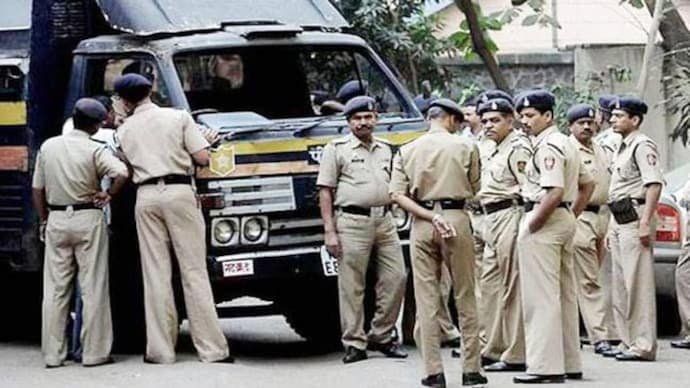
The issue came to light when local authorities received information about foreigners distributing religious pamphlets and interacting with residents. An inquiry followed, during which officials examined their activities and travel documents.
Authorities concluded that the individuals were allegedly involved in promoting religious beliefs while on tourist visas. Based on this finding, they were directed to leave India within a specified timeframe under applicable immigration laws.
This action was not a criminal conviction but an administrative measure commonly used when visa conditions are believed to have been violated.
Understanding Tourist Visa Rules in India
To fully understand the situation, it’s important to look at what a tourist visa allows and what it does not.
Tourist visas are designed strictly for leisure travel, sightseeing, and casual visits. They do not permit:
- Professional or business activities
- Missionary or religious प्रचार work
- Formal teaching or organised outreach
- Participation in activities that could influence public opinion
Engaging in any of these activities can be interpreted as a violation of visa conditions, even if done informally or without financial gain.
Visa Compliance Snapshot
| Activity | Allowed on Tourist Visa | Requires Special Visa |
|---|---|---|
| Sightseeing | Yes | No |
| Meeting friends/family | Yes | No |
| Religious preaching | No | Yes |
| Teaching or organised outreach | No | Yes |
This framework explains why authorities acted once they determined that the activities went beyond casual interaction.
Why Religious Activities Are Sensitive Under Visa Laws
India, as a diverse and multi-religious society, maintains strict regulations around foreign involvement in religious activities. These rules are not necessarily about restricting belief, but about regulating organised or influential engagement by foreign nationals.
Religious outreach, especially when structured or targeted, typically requires a specific visa category. This ensures transparency, oversight, and alignment with local laws.
When such activities are conducted under a tourist visa, authorities may interpret it as bypassing regulatory safeguards.
Legal Basis: How ‘Leave India’ Notices Work
A “Leave India” notice is an administrative directive issued under immigration laws. It is used when authorities determine that a foreign national has violated visa conditions or engaged in activities inconsistent with their declared purpose of visit.
Key features of such notices include:
- A defined deadline to exit the country
- No immediate criminal penalty unless further violations occur
- Possible future visa restrictions depending on the case
In many cases, this is considered a proportionate response allowing authorities to enforce rules without escalating the situation unnecessarily.
A Broader Pattern: Enforcement of Visa Compliance
This incident is part of a wider pattern of increased scrutiny on visa compliance in India. Authorities have, in recent years, taken a more proactive approach in monitoring activities that fall outside permitted categories.
Common triggers for such action include:
- Participation in organised events without proper visa classification
- Public speaking or teaching engagements
- Distribution of materials linked to specific causes or campaigns
The goal is to ensure that all foreign nationals operate within clearly defined legal boundaries.
Balancing Law, Culture, and Perception
Cases like this often sit at the intersection of law and perception. While authorities view the issue through the lens of visa compliance, public reactions may interpret it differently sometimes linking it to broader themes like religious freedom or cultural sensitivity.
It is important to separate these dimensions. The legal question focuses on whether visa conditions were followed. The cultural question relates to how such actions are perceived in a diverse society.
Both aspects matter, but they operate in different frameworks.
Comparison: Tourist Visa vs Missionary Visa
| Aspect | Tourist Visa | Missionary/Religious Visa |
|---|---|---|
| Purpose | Travel and leisure | Religious work and outreach |
| Allowed Activities | Sightseeing, casual visits | Structured religious engagement |
| Regulation Level | Low | High |
| Approval Process | Simpler | More detailed scrutiny |
This distinction highlights why the choice of visa category is critical. Even well-intentioned actions can lead to legal consequences if they fall outside permitted activities.
A Unique Insight: The Cost of Misalignment
One of the key lessons from this case is the importance of alignment between intent and documentation. In an increasingly regulated global Environment, governments rely heavily on visa categories to manage foreign participation in domestic activities.
When there is a mismatch whether intentional or accidental it can lead to swift administrative action. This is not unique to India; many countries enforce similar rules, particularly around sensitive areas like religion, Politics, and public influence.
For travelers, this underscores the need to understand not just what they plan to do, but how those activities are legally classified.
What This Means for Foreign Visitors
The Pune case serves as a reminder for international travelers to carefully review visa conditions before engaging in any structured activity. Even informal interactions can be scrutinised if they appear organised or targeted.
Best practices include:
- Choosing the correct visa category for intended activities
- Avoiding distribution of materials without proper authorization
- Understanding local laws and cultural sensitivities
- Seeking clarification from official sources when in doubt
These steps can help prevent misunderstandings and ensure a smooth visit.
Conclusion: A Legal Issue with Wider Implications
The decision to issue a “Leave India” notice to three US nationals in Pune is ultimately rooted in visa compliance. However, its implications extend beyond a single case. It highlights how governments balance openness with regulation, particularly in areas that intersect with culture and public influence.
As international travel becomes more interconnected, such cases are likely to become more visible. They serve as reminders that while borders may be easier to cross, legal frameworks remain firmly in place.
In the end, the message is clear: understanding and respecting visa rules is not just a formality it is essential to navigating global travel responsibly.
For breaking news and live news updates, like us on Facebook or follow us on Twitter and Instagram. Read more on Latest India on thefoxdaily.com.






COMMENTS 0