- What Trump’s ‘36 to 72 Hours’ Signal Really Means
- Pakistan’s Role: The Quiet Power Broker
- Ceasefire Status: Stable, But Fragile
- The Strait of Hormuz: A Critical Flashpoint
- Lebanon Violence: A Reminder of Regional Complexity
- Comparison: Diplomacy vs Escalation Dynamics
- The Missing Insight: Timing Is Everything
- Global Implications: Why the World Is Watching
- Future Outlook: Three Possible Scenarios
- Conclusion: A High-Stakes Diplomatic Moment
A Narrow Window for diplomacy
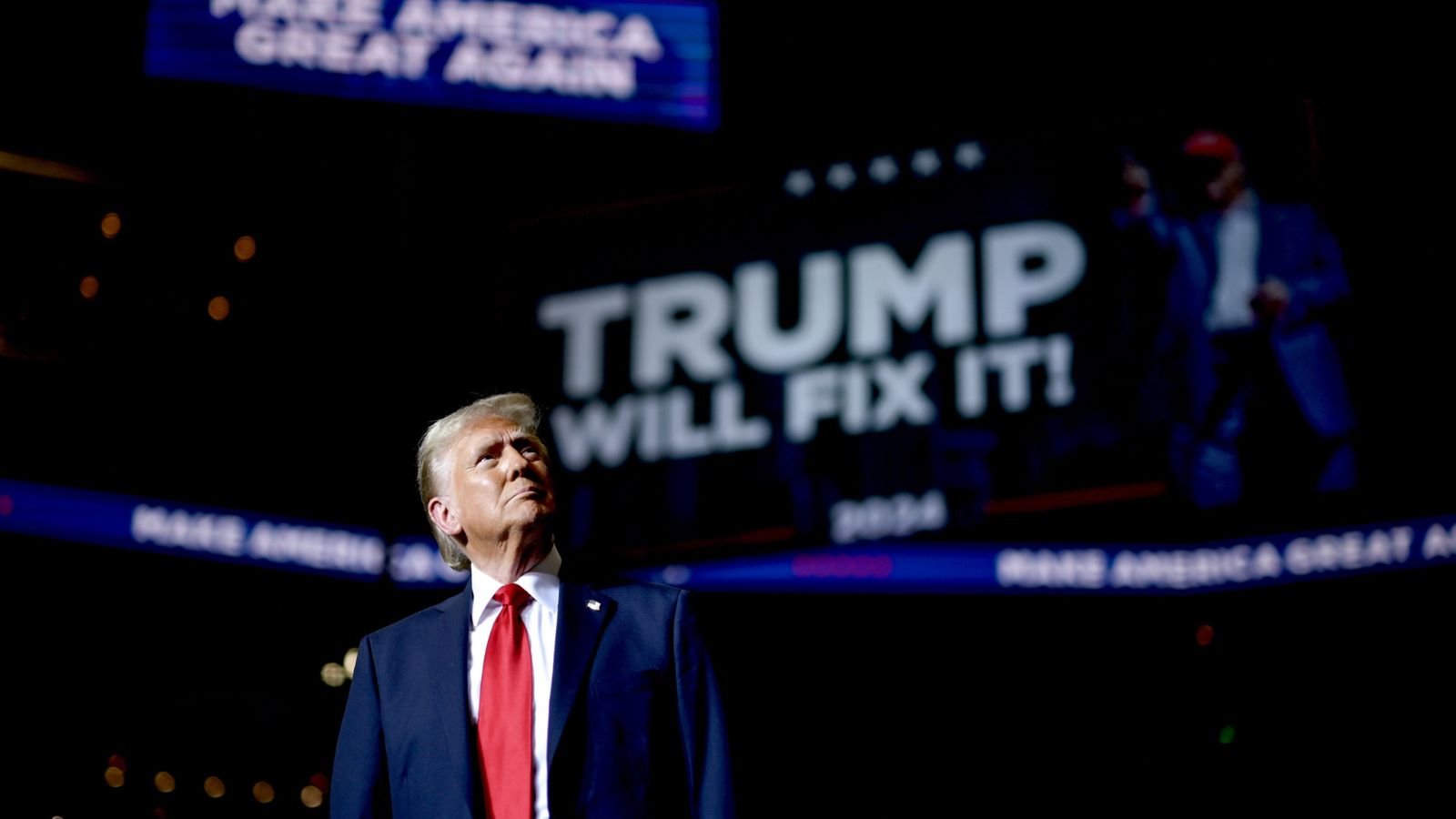
The possibility of a second round of US–Iran Peace Talks is gaining momentum, with former US President Donald Trump hinting that “good news” could emerge within the next 36 to 72 hours. The development comes at a critical moment while a ceasefire between Washington and Tehran appears to be holding, fresh military incidents across the Middle East are threatening to derail fragile diplomatic progress.
At the center of this evolving situation is an unexpected player: Pakistan, which is quietly facilitating backchannel negotiations between the two adversaries. But with attacks reported in the Strait of Hormuz and renewed violence in Lebanon, the key question remains can diplomacy outpace escalation?
What Trump’s ‘36 to 72 Hours’ Signal Really Means
Trump’s statement suggesting a potential breakthrough within a short timeframe is not just a casual remark it reflects ongoing diplomatic activity happening behind closed doors.
In geopolitical terms, such time-bound signals usually indicate:
- Active negotiations nearing a decision point
- Draft proposals being exchanged or finalized
- Confidence-building measures already underway
However, the use of the word “possible” also leaves room for uncertainty highlighting how delicate and unpredictable these negotiations remain.
Pakistan’s Role: The Quiet Power Broker
One of the most significant and underreported developments is Pakistan’s emergence as a key mediator in the US–Iran conflict.
Traditionally, countries like Oman or European powers have played intermediary roles in such negotiations. Pakistan’s involvement signals a shift in diplomatic dynamics.
Why Pakistan Matters in This Context
- Strategic positioning: Pakistan maintains working relationships with both the US and Iran
- Regional influence: Its proximity and geopolitical relevance make it a credible intermediary
- Neutral facilitation: It can host or enable indirect dialogue without escalating tensions
This mediation effort reflects a broader trend where mid-tier powers are playing increasingly important roles in global conflict resolution.
Ceasefire Status: Stable, But Fragile
The current ceasefire between the US and Iran has been extended, offering a temporary pause in direct confrontation.
Positive signs include:
- No major direct military clashes between the two nations
- Continued diplomatic communication channels
- Willingness to consider a “unified proposal”
However, ceasefires in volatile regions are rarely straightforward.
They often function less as permanent solutions and more as breathing spaces periods where both sides reassess strategy while avoiding immediate escalation.
The Strait of Hormuz: A Critical Flashpoint
Even as diplomatic efforts continue, tensions have escalated in one of the world’s most strategically important waterways the Strait of Hormuz.
Recent reports of vessel attacks and seizures have raised alarms globally.
Why the Strait of Hormuz Matters
- It handles a significant portion of the world’s oil shipments
- Any disruption can impact global energy prices
- Military activity here has immediate international consequences
These incidents complicate peace efforts by:
- Increasing mistrust between negotiating parties
- Triggering international pressure and reactions
- Raising the risk of unintended escalation
In simple terms, diplomacy may be happening but so is brinkmanship.
Lebanon Violence: A Reminder of Regional Complexity
Meanwhile, violence in southern Lebanon underscores how interconnected conflicts in the Middle East are.
Despite a ceasefire in the region, recent strikes and retaliatory actions highlight:
- The difficulty of maintaining peace across multiple fronts
- The role of non-state actors like Hezbollah
- The risk of localized incidents triggering broader conflict
This creates a challenging environment for US–Iran Talks, as both nations are indirectly involved in regional power struggles.
Comparison: Diplomacy vs Escalation Dynamics
| Factor | Diplomatic Progress | Escalation Risks |
|---|---|---|
| Ceasefire | Extended and holding | Could collapse under pressure |
| Negotiations | Backchannel talks ongoing | No confirmed agreement yet |
| Regional Activity | Managed tensions | Attacks in Hormuz and Lebanon |
| Global Impact | Potential stability | Energy and security concerns |
The Missing Insight: Timing Is Everything
One critical aspect often overlooked in coverage is the importance of timing.
Diplomatic breakthroughs rarely happen in isolation they depend on a precise alignment of factors:
- Political willingness on both sides
- Manageable levels of external conflict
- Effective mediation channels
Right now, the situation presents a paradox:
Conditions are both favorable and fragile at the same time.
This makes the next 72 hours particularly significant not because a deal is guaranteed, but because the window for progress may be unusually narrow.
Global Implications: Why the World Is Watching
The outcome of these talks extends far beyond the US and Iran.
1. Energy Markets
Any instability in the Strait of Hormuz can disrupt global oil supply, affecting prices worldwide.
2. Regional Stability
A successful dialogue could reduce tensions across multiple conflict zones in the Middle East.
3. Geopolitical Balance
The involvement of countries like Pakistan signals shifting alliances and new diplomatic players.
4. Military Strategy
Failure in talks could lead to renewed confrontation, impacting Global Security frameworks.
Future Outlook: Three Possible Scenarios
Based on current developments, three broad scenarios could unfold:
1. Breakthrough Agreement
Talks resume successfully, leading to structured negotiations and longer-term de-escalation.
2. Prolonged Uncertainty
Ceasefire continues, but no major progress is made resulting in a “wait and watch” phase.
3. Escalation
Regional incidents spiral, undermining diplomacy and leading to renewed conflict.
At present, the situation appears to be balanced between the first two scenarios with the third always a risk.
Conclusion: A High-Stakes Diplomatic Moment
The potential for a second round of US–Iran peace talks represents a critical moment in global diplomacy.
Trump’s “36 to 72 hours” signal may or may not lead to immediate breakthroughs but it highlights the urgency and intensity of ongoing efforts behind the scenes.
With Pakistan stepping into a key mediating role, a fragile ceasefire holding, and regional tensions simmering, the path forward is anything but straightforward.
The real story isn’t just whether talks will happen it’s whether diplomacy can stay ahead of conflict in one of the world’s most volatile regions.
In the coming days, the balance between negotiation and escalation will determine not just the future of US–Iran relations, but the stability of an entire region.
For breaking news and live news updates, like us on Facebook or follow us on Twitter and Instagram. Read more on Latest World on thefoxdaily.com.





COMMENTS 0