- Why the Strait of Hormuz Matters to the Entire World
- What the U.S. Proposal Appears to Include
- Pakistan’s Growing Diplomatic Role
- Why Negotiations Are Moving Slowly
- The Nuclear Issue Remains Central
- Why Oil Markets Are Reacting Positively Anyway
- Iran’s Strategy Appears Focused on Leverage
- The U.S. Blockade Strategy Carries Risks
- Trump’s Messaging Reflects Dual Strategy
- Could the Conflict Escalate Again?
- The Global South Is Watching Closely
- What Happens Next?
- Conclusion
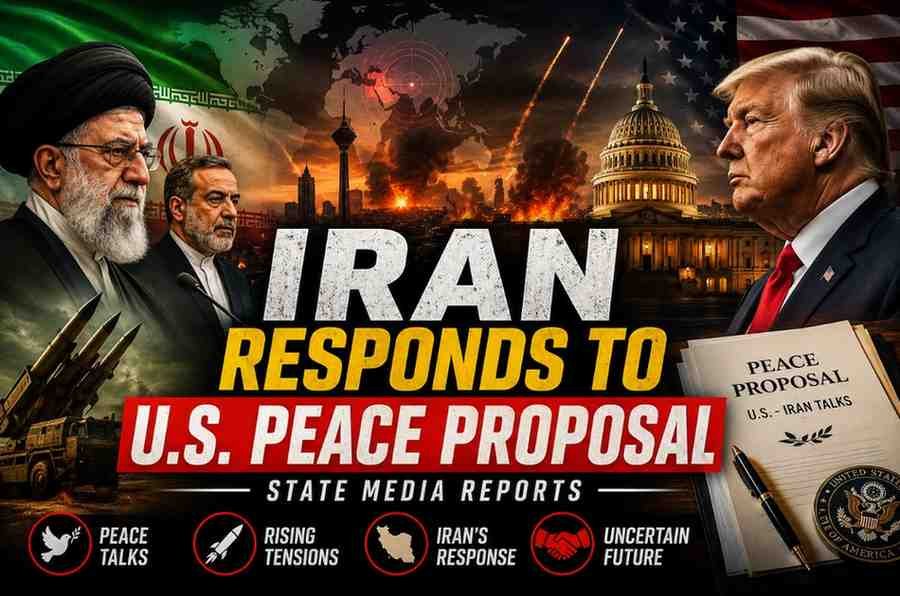
Iran has officially responded to the latest United States proposal designed to end the escalating Middle East conflict, according to Iranian state media, marking a potentially important moment in weeks of tense Diplomacy, Military confrontation and economic uncertainty.
The response was reportedly delivered through Pakistan, which has emerged as a key intermediary between Washington and Tehran during the latest phase of negotiations.
However, despite renewed diplomatic engagement, fighting and maritime tensions in the persian gulf continue, particularly around the strategically vital Strait of Hormuz one of the world’s most important oil transit chokepoints.
The developments highlight a central reality of the current crisis: even as negotiations progress, neither side appears willing to fully step back from military pressure.
Why the Strait of Hormuz Matters to the Entire World
The Strait of Hormuz is not just a regional shipping lane. It is one of the most economically critical waterways on Earth.
Before the current conflict intensified, roughly 20 percent of Global Oil supplies passed through the narrow maritime corridor connecting the Persian Gulf to international waters.
That means disruptions in the strait can rapidly affect:
- Global oil prices
- Fuel costs
- Shipping markets
- Inflation rates
- Energy security worldwide
The ongoing Iranian restrictions on maritime traffic have therefore transformed a regional military confrontation into a global economic concern.
Even countries with no direct involvement in the conflict are closely monitoring developments because energy market instability can ripple through the entire international economy.
What the U.S. Proposal Appears to Include
While the full details of the American proposal have not been officially released publicly, reports suggest the negotiations are centered around several key objectives.
| U.S. Priority | Why It Matters |
|---|---|
| Reopening the Strait of Hormuz | Restore global energy flow and shipping stability |
| Limiting Iran’s nuclear activities | Prevent further regional escalation |
| Reducing military tensions | Avoid wider regional war |
| Long-term negotiation framework | Create a broader diplomatic settlement |
Reports indicate the proposed framework may involve phased negotiations beginning with efforts to reduce active conflict in the region.
However, there is still no confirmation regarding how far Iran is willing to compromise on issues related to nuclear enrichment, sanctions or military positioning.
Pakistan’s Growing Diplomatic Role
One of the most interesting aspects of the latest negotiations is Pakistan’s role as mediator.
Pakistan maintains working relationships with both Washington and Tehran, making it one of the few regional players capable of facilitating indirect communication during periods of high tension.
This reflects a broader geopolitical trend in which middle powers increasingly serve as intermediaries in conflicts involving major global rivals.
Pakistan’s involvement also demonstrates how regional diplomacy is becoming more multipolar, with countries outside traditional Western alliances playing larger roles in crisis management.
Why Negotiations Are Moving Slowly
American officials have openly acknowledged frustration with the pace of talks.
U.S. ambassador to the United Nations Mike Waltz admitted the negotiations had gone “longer and slower” than many expected.
Several factors explain why progress remains difficult:
- Deep mistrust between Washington and Tehran
- Ongoing military activity in the Gulf
- Disagreements over nuclear restrictions
- Sanctions-related disputes
- Domestic political pressure on both governments
Unlike traditional ceasefire negotiations, the current talks involve military, economic and geopolitical dimensions simultaneously.
That complexity makes rapid agreements extremely difficult.
The Nuclear Issue Remains Central
Although much of the public focus is currently on shipping disruptions and military tensions, the core strategic issue remains Iran’s nuclear programme.
Washington continues insisting that any lasting settlement must prevent Iran from obtaining nuclear weapons capability.
For the United States and its allies, this issue carries enormous significance because of fears that nuclear escalation could destabilise the entire Middle East.
Iran, however, has consistently argued that its nuclear programme is tied to national sovereignty and peaceful development rights.
This disagreement has remained unresolved across multiple American administrations.
Why Oil Markets Are Reacting Positively Anyway
Interestingly, despite continued tensions, global markets have recently shown signs of optimism.
Oil prices have declined in recent days while broader markets have strengthened.
This reflects investor belief that:
- A full-scale regional war may still be avoided
- Diplomatic channels remain active
- Energy supply disruptions may eventually ease
- Major powers want to avoid long-term instability
Financial markets often react not just to current events, but to expectations about future outcomes.
Right now, traders appear to believe that negotiations even slow ones are preferable to uncontrolled escalation.
Iran’s Strategy Appears Focused on Leverage
Iran’s approach during the crisis appears designed around maintaining strategic leverage rather than seeking rapid compromise.
By keeping pressure on the Strait of Hormuz while remaining open to negotiations, Tehran gains bargaining power in several ways:
- It keeps global attention focused on the conflict
- It increases pressure on oil-dependent economies
- It raises costs for prolonged confrontation
- It strengthens its negotiating position
Iran’s leadership likely understands that the Strait of Hormuz remains one of its most powerful geopolitical pressure points.
The U.S. Blockade Strategy Carries Risks
The United States has continued enforcing a blockade targeting Iranian ports and oil exports.
American officials believe restricting Iran’s energy revenues could eventually force Tehran into concessions.
However, intelligence assessments cited in reports suggest Iran may be capable of enduring economic pressure longer than some policymakers initially expected.
Energy analysts believe Iran can temporarily manage the blockade because:
- Some oil can still be consumed domestically
- The country has adapted to sanctions over decades
- Alternative trade channels may still exist
- Complete economic collapse is unlikely in the short term
This complicates Washington’s strategy because economic pressure does not necessarily guarantee immediate political compliance.
Trump’s Messaging Reflects Dual Strategy
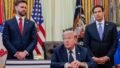
President Donald Trump’s recent comments reveal an interesting balance between military confidence and negotiation-focused messaging.
On one hand, Trump continues projecting strength by claiming the U.S. “controls” the Strait of Hormuz and emphasising military superiority.
On the other hand, he has also repeatedly stressed the importance of achieving a “good deal” rather than rushing toward a quick settlement.
This dual messaging appears intended to:
- Maintain pressure on Iran
- Project domestic political strength
- Keep diplomatic channels open
- Avoid perceptions of weakness
It reflects a broader negotiating style frequently associated with Trump’s foreign policy approach.
Could the Conflict Escalate Again?
Despite ongoing diplomacy, the possibility of renewed escalation remains very real.
Several factors continue creating instability:
- Military deployments in the Gulf
- Naval confrontations
- Proxy tensions across the region
- Nuclear disagreements
- Domestic political pressures in both countries
Even a small incident involving naval forces or commercial shipping could rapidly derail negotiations.
This is one reason why markets remain cautious despite recent optimism.
The Global South Is Watching Closely
Another overlooked dimension of the crisis is how countries across Asia, Africa and the Global South are interpreting the conflict.
Many nations are concerned about:
- Energy price shocks
- Disruptions to trade routes
- Western military intervention precedents
- Long-term global economic instability
For emerging economies already dealing with inflation and debt pressures, prolonged disruption in Gulf energy supplies could create major economic strain.
This explains why many countries quietly support rapid de-escalation regardless of their political alignment.
What Happens Next?
The next phase of negotiations will likely determine whether diplomacy can genuinely stabilise the situation or merely delay another round of confrontation.
Key questions remain unresolved:
- Will Iran ease restrictions in the Strait of Hormuz?
- Can the U.S. secure nuclear-related concessions?
- Will sanctions relief become part of the deal?
- Can both sides maintain military restraint long enough for talks to continue?
The answers to these questions will shape not only regional stability, but potentially the global energy market for months ahead.
Conclusion
Iran’s formal response to the latest U.S. proposal marks an important diplomatic step, but it does not yet signal the end of the crisis.
The conflict has evolved far beyond a simple military confrontation. It now sits at the intersection of global energy security, nuclear diplomacy, economic pressure and shifting geopolitical power.
While negotiations continue through mediators like Pakistan, tensions in the Strait of Hormuz remain a reminder that the situation is still fragile.
For now, the world is watching a high-stakes balancing act unfold one where diplomacy and military pressure continue operating side by side.
For breaking news and live news updates, like us on Facebook or follow us on Twitter and Instagram. Read more on Latest World on thefoxdaily.com.




COMMENTS 0