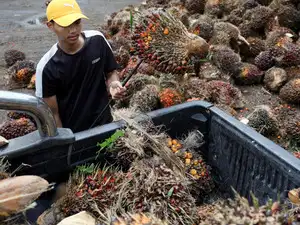
India’s edible oil imports increased sharply in October, with palm oil shipments reaching a 14-month high and soyoil purchases climbing to a record level. The rise reflects stronger demand during the festive season, alongside concerns about limited domestic supplies and potential crop damage linked to El Niño weather conditions.
India imported approximately 866,000 metric tonnes of palm oil in October. Meanwhile, soyoil imports reached an unprecedented 653,000 tonnes. Overall edible oil imports rose 13% to around 1.74 million tonnes, highlighting the country’s continued dependence on overseas suppliers to meet domestic consumption requirements.
Palm Oil Imports Reach a 14-Month High
Palm oil imports increased to 866,000 metric tonnes in October, marking their highest level in 14 months. The increase points to stronger buying activity in the Indian edible oil market as demand picked up ahead of and during the festive season.
Palm oil is widely used in India across household cooking, food processing and commercial food preparation. Its importance in the domestic market means changes in international prices and import volumes can influence the availability and cost of edible oil products.
The higher import volume also reflects the need to maintain adequate supplies when domestic production is insufficient to meet consumption requirements.
Soyoil Imports Set a New Record
India’s soyoil imports reached a record 653,000 tonnes in October, indicating a significant increase in demand for the edible oil. The record purchase volume contributed to the overall rise in the country’s edible oil imports.
Soyoil is an important component of India’s edible oil consumption mix. Importers rely on overseas supplies to meet demand, particularly when domestic availability is limited or market participants expect supply conditions to tighten.
The record level of soyoil purchases suggests that importers are actively securing supplies to meet consumption requirements during a period of stronger seasonal demand.
Overall Edible Oil Imports Rise 13%
India’s total edible oil imports increased by 13% in October to approximately 1.74 million tonnes. The rise reflects higher purchases across major edible oil categories, with palm oil and soyoil accounting for substantial volumes.
India remains heavily dependent on imports to meet its edible oil requirements. Consequently, changes in global production, export availability, shipping costs and international prices can affect domestic supply conditions.
Higher imports can help improve availability in the domestic market, although the impact on retail prices also depends on international commodity prices, currency movements, import costs and domestic demand.
Festive Season Demand Supports Import Growth
The festive season is an important period for India’s edible oil market because household consumption and food-related commercial activity can increase during celebrations. Demand for cooking oils used in household meals, snacks and food preparation can influence importers’ purchasing decisions.
Importers may increase procurement ahead of periods of stronger consumption to ensure sufficient supplies. The October import figures reflect this seasonal demand alongside concerns about the availability of domestic supplies.
However, the increase in imports should not be viewed as evidence of a permanent change in consumption patterns. Future purchasing activity will depend on demand conditions, inventory levels and international supply trends.
El Niño Concerns Raise Questions About Crop Supplies
Concerns about El Niño-related crop damage have also contributed to uncertainty surrounding edible oil supplies. El Niño is a climate phenomenon associated with changes in ocean temperatures in the Pacific that can influence weather patterns in different agricultural regions.
Weather disruptions can affect crop production and create uncertainty over the availability of agricultural commodities. For edible oils, concerns about potential production losses can influence importers’ decisions as they seek to secure supplies and manage the risk of tighter availability.
The reported concerns about El Niño-related crop damage have added to the factors supporting higher import demand. However, the actual impact on production and international supplies will depend on regional weather conditions and crop outcomes.
What Higher Imports Mean for India’s Edible Oil Market
The increase in palm oil and soyoil imports highlights the importance of international markets in meeting India’s edible oil demand. Higher purchases can support domestic availability, particularly when local supplies are insufficient to satisfy consumption needs.
At the same time, greater dependence on overseas supplies exposes the domestic market to fluctuations in global commodity prices. Changes in production, export policies, weather conditions and transportation costs can influence the price at which imported oils reach Indian buyers.
Consumers, traders and food manufacturers will therefore continue to monitor international edible oil prices and import trends. The direction of future imports will depend on seasonal consumption, domestic availability and developments in major producing regions.
Key Factors to Watch in the Coming Months
Market participants will focus on several factors that could influence India’s edible oil import requirements:
- Domestic demand: Changes in household consumption and food industry requirements following the festive season.
- Global palm oil supplies: Production and export developments in major palm oil-producing countries.
- Soyoil availability: International production and export trends that could affect India’s procurement decisions.
- Weather conditions: The potential impact of El Niño-related weather disruptions on agricultural output.
- International prices: Changes in global edible oil prices that could influence import costs and domestic market rates.
India’s October import figures underline the strong demand for imported edible oils, with palm oil reaching a 14-month high and soyoil purchases setting a record. Whether this pace continues will depend on domestic consumption, global supply conditions and weather-related developments in the months ahead.
For breaking news and live news updates, like us on Facebook or follow us on Twitter and Instagram. Read more on Latest Business on thefoxdaily.com.






COMMENTS 0