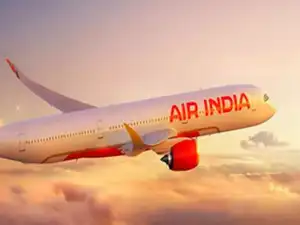
Air India and Air India Express are preparing to deepen operational integration as the Tata Group-owned airlines look to reduce costs, improve efficiency and address ongoing financial and operational challenges. The proposed changes are part of a broader restructuring exercise under new Air India chief executive Tewolde Gebremariam.
The integration is expected to streamline processes across the two carriers and improve coordination in areas where closer cooperation could generate operational efficiencies. The airlines are also considering changes to their strategic management structure, including the creation of a new Group Strategy Officer role.
The move comes as Air India faces pressure to improve its financial performance while maintaining its expansion ambitions and strengthening its position in India’s competitive aviation market.
Air India and Air India Express to Strengthen Operational Integration
The planned integration aims to bring greater coordination between Air India and Air India Express. Both airlines operate under the Tata Group, but serve different segments of the aviation market.
Air India operates as the group’s full-service international and domestic carrier, while Air India Express focuses primarily on low-cost operations. Greater operational coordination could help the group use its resources more efficiently while retaining the distinct business models of the two airlines.
Closer integration may also help reduce duplication in selected functions, improve planning and support better coordination across the group’s airline operations. Areas that could benefit from closer cooperation include network planning, procurement, technology systems, support functions and operational processes.
However, the precise scope and implementation timeline of the proposed integration have not been specified in the available information. The changes are expected to form part of a wider effort to improve efficiency rather than necessarily combine the two airlines into a single operating brand.
Cost Reduction Becomes a Key Priority
Cost management has become an important priority for the Air India Group as it deals with financial pressure and operational challenges. Airlines operate in a cost-intensive environment, with expenses linked to fuel, aircraft maintenance, airport charges, staffing, technology and ground operations.
Even relatively small improvements across multiple functions can have a meaningful impact when applied across a large airline network. Better coordination between Air India and Air India Express could help the group identify opportunities to manage these expenses more effectively.
Operational integration may also support more efficient use of resources and reduce overlapping activities. For example, coordinated procurement and support services can potentially improve purchasing efficiency and strengthen the group’s negotiating position with suppliers.
At the same time, cost reduction must be balanced against safety, reliability and passenger experience. Any restructuring that affects airline operations will need to maintain regulatory compliance and service standards.
Tewolde Gebremariam Leads the Strategic Restructuring
New Air India chief executive Tewolde Gebremariam has been tasked with leading strategic restructuring initiatives as the airline group works to address its financial and operational difficulties.
Gebremariam took charge of Air India on October 1 after previously heading Ethiopian Airlines for more than a decade. His experience leading a major international carrier is expected to be relevant as the group reviews its management structure, operating model and long-term strategy.
His responsibilities include improving operational discipline, strengthening efficiency and supporting the airline’s efforts to move towards sustainable profitability.
The deeper integration between Air India and Air India Express is one of the initiatives being considered as part of this broader restructuring. The objective is to improve coordination across the group and ensure that both airlines contribute effectively to its overall performance.
New Group Strategy Officer Role Planned
Another important element of the restructuring is the proposed creation of a Group Strategy Officer position. The new role is expected to support strategic coordination across the airline group.
A group-level strategy function can help align long-term priorities, assess business opportunities and coordinate planning between different operating companies. In an airline group with multiple brands and business models, this can be important for ensuring that individual decisions support wider organisational objectives.
The position could also help management evaluate network development, resource allocation, operational integration and financial priorities across the airlines.
However, details about the role’s reporting structure, responsibilities and appointment have not been provided. Its effectiveness will depend on how clearly the responsibilities are defined and how closely the position works with the leadership teams of both carriers.
Financial and Operational Challenges Drive the Changes
The integration plans come against the backdrop of significant challenges facing Air India. The airline has been working to improve its financial performance while dealing with operational disruptions, rising costs and the demands of a large-scale transformation programme.
Airline profitability can be affected by several factors, including passenger demand, fuel prices, aircraft utilisation, route economics and operating efficiency. Disruptions to flight schedules and restrictions on airspace can also increase operating costs by forcing airlines to use longer routes or adjust their networks.
For a group operating both full-service and low-cost carriers, managing these pressures requires careful coordination. The two airlines have different customer segments and operating requirements, but they may still benefit from sharing selected resources and improving group-level planning.
The proposed integration is therefore intended to address structural inefficiencies while supporting the group’s broader financial recovery efforts.
How Operational Integration Could Benefit the Airline Group
Closer coordination between Air India and Air India Express could create benefits across several areas of the business. The extent of these benefits will depend on how the integration is implemented and whether operational changes produce measurable improvements.
- Procurement efficiency: Coordinated purchasing could help the group negotiate better terms for selected goods and services.
- Resource utilisation: Better planning could improve the use of available operational resources and support services.
- Strategic coordination: A group-level strategy function could align planning and investment priorities across both airlines.
- Cost management: Reducing duplication in selected functions could help control administrative and operating expenses.
- Operational planning: Improved coordination could support more consistent processes and help identify opportunities to improve efficiency.
These potential benefits do not mean that all functions can be combined. Air India and Air India Express have different operating models, and their individual requirements will need to be considered when decisions are made about integration.
Balancing Efficiency With Passenger Experience and Safety
While reducing costs is an important objective, the airline group will need to ensure that integration does not compromise passenger services or operational safety.
Airlines must maintain strict standards for aircraft maintenance, crew training, flight operations and regulatory compliance. These requirements cannot be weakened in pursuit of short-term savings.
Passenger-facing services will also remain important to the group’s long-term competitiveness. Better coordination should ideally support smoother operations, reliable schedules and more efficient customer service rather than create additional complexity for travellers.
The challenge for management will be to identify areas where shared processes can improve efficiency while preserving the distinct requirements of the full-service and low-cost businesses.
What the Restructuring Means for Air India’s Future
The proposed operational integration between Air India and Air India Express signals a stronger focus on group-wide efficiency under Gebremariam’s leadership. The creation of a Group Strategy Officer role would add another layer of strategic coordination as the airlines review their operating structures and cost priorities.
The initiatives come at a time when Air India needs to improve financial performance while continuing its broader transformation. Greater coordination between the two carriers could help reduce duplication, strengthen planning and improve the use of resources across the group.
However, the success of the restructuring will depend on execution. Clear responsibilities, effective coordination and measurable cost improvements will be necessary to turn the proposed changes into lasting operational benefits.
Investors, employees and passengers will be watching how the integration develops and whether it helps the airline group improve efficiency without compromising safety, reliability or service quality.
For breaking news and live news updates, like us on Facebook or follow us on Twitter and Instagram. Read more on Latest Business on thefoxdaily.com.






COMMENTS 0