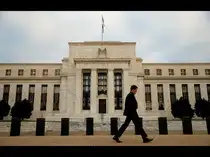
Federal Reserve policymakers are facing renewed uncertainty over the direction of US Inflation, with economists expecting consumer price pressures to rise again in October. The anticipated increase could influence the central bank’s interest rate decisions as officials continue to assess whether inflation is being driven primarily by strong demand or supply-side disruptions.
According to the available economic outlook, economists expect the Personal Consumption Expenditures (PCE) Price Index to reach 3.8% in October. The forecast has drawn attention to disagreements among analysts and policymakers over the underlying causes of persistent inflation and the appropriate monetary policy response.
The debate is important because the source of inflation can influence how the Federal Reserve responds. Demand-driven price increases may be addressed through tighter monetary policy, while supply-side pressures can be more difficult to resolve through interest rate adjustments alone.
October PCE Inflation Forecast at 3.8%
The Personal Consumption Expenditures Price Index is one of the key inflation measures monitored by the Federal Reserve. It tracks changes in prices paid for goods and services consumed by households and provides policymakers with an indication of how inflation is evolving across the economy.
Economists’ expectation that the index could reach 3.8% in October suggests that inflationary pressures may remain elevated. However, the figure cited in the available forecast should be treated as an expectation rather than a confirmed reading.
The actual inflation outcome will matter for the Federal Reserve’s assessment of whether price growth is moving towards its objective or remaining persistent. Policymakers will also examine the composition of inflation, since changes in individual categories can reveal whether price increases are broad-based or concentrated in particular areas.
Demand and Supply Factors Divide Policymakers
A central disagreement concerns whether high inflation is being driven by strong demand or supply shocks associated with recent policy developments. These explanations point to different economic pressures and can lead to different assessments of how monetary policy should respond.
Demand-driven inflation
Demand-driven inflation occurs when households and businesses seek to purchase more goods and services than the economy can comfortably supply. When demand grows faster than productive capacity, businesses may raise prices, particularly in sectors where supply cannot quickly expand.
Higher consumer spending, strong business investment and continued demand for services can contribute to this type of inflation. If demand remains strong, policymakers may consider tighter monetary conditions to moderate spending and reduce pressure on prices.
Supply-side inflation
Supply-driven inflation emerges when the cost or availability of goods and services is affected by disruptions. These pressures can arise from higher input costs, trade restrictions, supply-chain difficulties, energy market changes or other policy-related developments.
Unlike demand-driven inflation, supply shocks can raise prices while simultaneously weakening economic activity. Increasing interest rates may reduce overall demand, but it cannot directly restore disrupted supply chains or increase the availability of essential goods.
The distinction matters because the Federal Reserve must consider both inflation and economic growth when deciding how restrictive monetary policy should be.
Why the Inflation Debate Matters for Federal Reserve Policy
The disagreement over inflation’s causes creates a challenge for the Federal Reserve. If price increases are largely the result of strong demand, higher interest rates could help slow borrowing, spending and investment. This may gradually reduce pressure on businesses to increase prices.
However, if supply disruptions are the main driver, monetary tightening could have a more limited immediate effect on the underlying problem. Higher borrowing costs may also weigh on businesses and households without directly resolving the supply constraints responsible for higher prices.
This makes the assessment of inflation particularly important. Policymakers need to understand whether price pressures are temporary, concentrated in specific sectors or becoming embedded across the wider economy.
Market Forecasts Point to Three More Rate Hikes
Market forecasts suggest that investors are anticipating three additional interest rate increases. These expectations reflect concerns that inflation could remain elevated and that monetary policy may need to stay restrictive for longer.
However, market expectations should not be interpreted as a confirmed Federal Reserve decision. The central bank’s actual policy path will depend on incoming economic data, inflation trends and assessments of employment and broader economic conditions.
Higher interest rates generally increase borrowing costs for households and businesses. Mortgage payments, business loans and other forms of credit can become more expensive, potentially slowing consumption and investment. This is one of the main ways monetary policy can reduce demand-driven inflation.
For Financial Markets, expectations of further rate increases can also influence bond yields, currency movements, equity valuations and investor appetite for risk. The direction of these markets will depend partly on whether incoming inflation data confirms or challenges existing expectations.
What to Watch in the October Inflation Data
The October PCE reading will be important not only because of the headline figure but also because of the details behind it. Policymakers and investors will be looking for evidence about the breadth and persistence of price increases.
- Overall inflation: Whether the PCE index matches, exceeds or falls below economists’ expected 3.8% reading.
- Sources of price pressure: Whether inflation is being driven mainly by consumer demand or supply-related disruptions.
- Persistence: Whether price increases appear concentrated in particular categories or spread across a wider range of goods and services.
- Interest rate expectations: Whether the data changes market expectations about the timing and scale of future Federal Reserve decisions.
A higher-than-expected reading could reinforce concerns about persistent inflation, while a lower reading might provide some reassurance. Neither outcome would automatically determine the central bank’s next move, as policymakers consider a broader range of economic indicators.
Federal Reserve Faces a Difficult Policy Balance
The Federal Reserve’s challenge is to bring inflation under control without unnecessarily weakening economic activity. Raising interest rates too aggressively can put pressure on borrowing, investment and employment, while easing policy before inflation is sufficiently controlled could allow price pressures to persist.
The disagreement over demand and supply factors makes this balance more complicated. A demand-driven inflation problem may respond more directly to tighter monetary conditions, whereas supply-related pressures can require time and improvements in production or distribution to ease.
The expected October PCE reading of 3.8% therefore represents an important indicator for the inflation outlook, but it will not provide a complete explanation of why prices are rising. The composition of the data and its consistency with broader economic trends will also matter.
What Comes Next for Interest Rates and Markets?
The next stage of the debate will depend on whether incoming inflation data supports the view that price pressures are easing or indicates that further policy restraint may be necessary. Investors will also assess whether the Federal Reserve’s interpretation of inflation aligns with current market expectations.
For now, forecasts of three additional rate hikes point to continued concern about the inflation outlook. However, these projections remain expectations rather than a guaranteed policy outcome.
The central bank’s decisions will ultimately depend on the evidence available to policymakers. The October inflation report could help clarify the direction of price pressures, but disagreements over their underlying causes are likely to remain central to discussions about the appropriate path for US monetary policy.
For breaking news and live news updates, like us on Facebook or follow us on Twitter and Instagram. Read more on Latest Business on thefoxdaily.com.






COMMENTS 0